







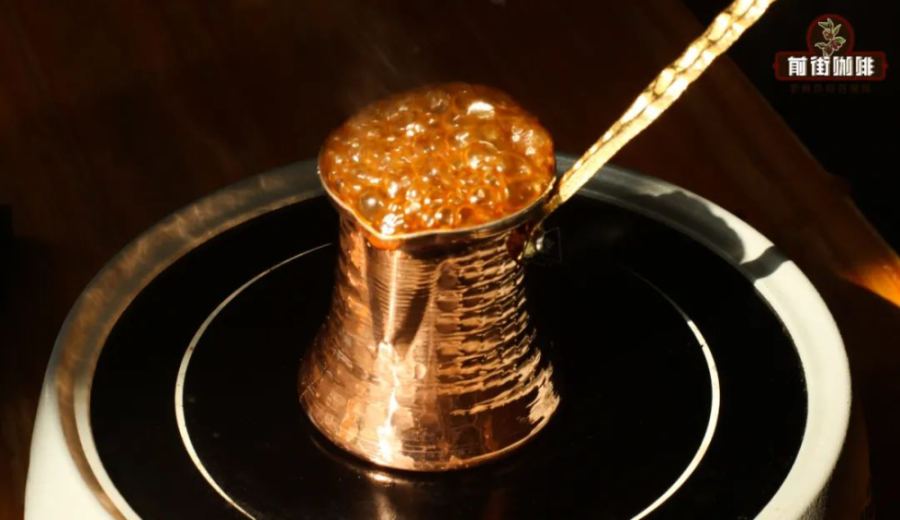
Introduction:Turkish coffee is more than just a beverage—it’s a cultural heritage that has been passed down through centuries. This article delves into its unique Cezve copper pot brewing method, the classic "three-pour" technique, and the reason behind not filtering out the grounds. It also explores the mysterious art of coffee fortune-telling and the amusing tradition in Turkish marriage customs where spice-laced coffee is used to test a suitor’s mettle, giving you a full grasp of both its preparation and cultural significance.
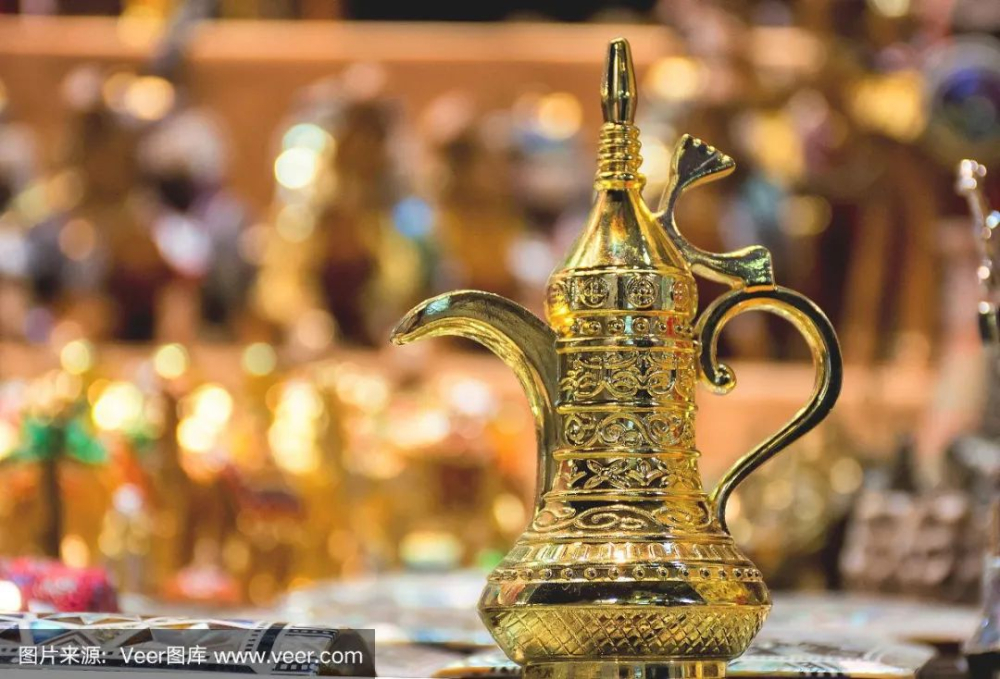
With its distinctive brewing method and cultural background, Turkish coffee holds an irreplaceable position in the global coffee scene. Originating from the Ottoman Empire era, Arabs at the time used metal Dallah pots to brew coffee almost in its raw bean state—very different from what we’re familiar with today. Later, the Turks improved the method by using dark-roasted coffee beans and heating them in a specialized long-handled Cezve copper pot. This technique not only enhanced the flavor of the coffee but also helped quickly spread this beverage throughout the empire and across Europe.
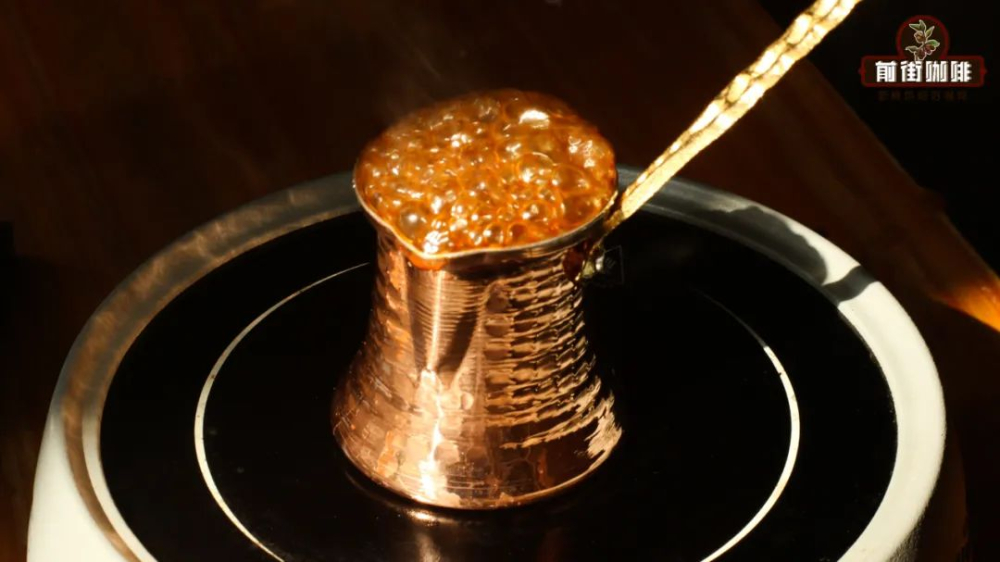
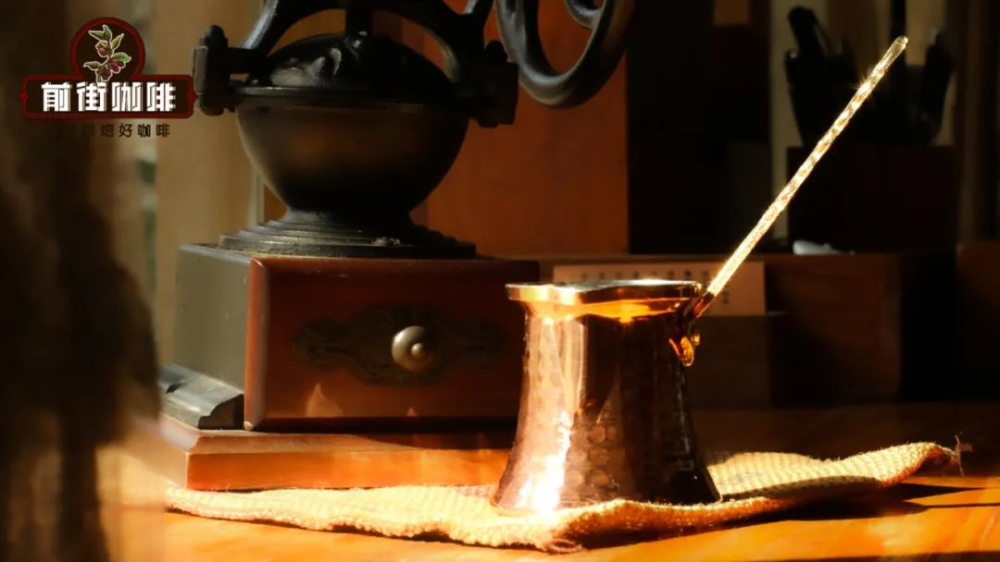
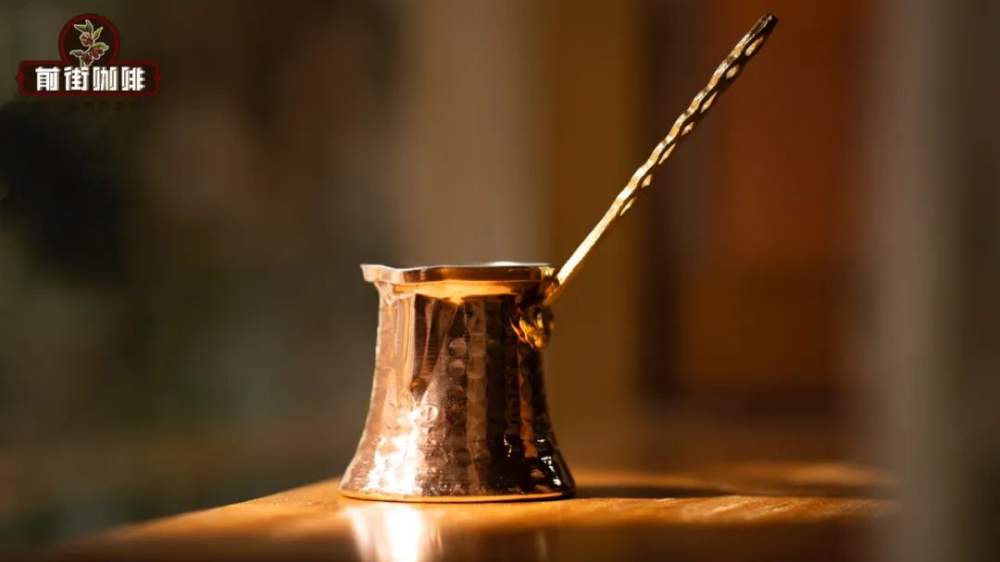
When it comes to Turkish coffee, one cannot overlook the Cezve pot. This often-seen copper long-handled pot is the soul of making Turkish coffee. Traditionally handmade from brass, it features a slender handle and a body with a spout. Depending on the heating method, the wall thickness of the pot ranges between 1 to 1.5 millimeters—those used for heating in sand are thinner, while those for open flame are relatively thicker to ensure even heat distribution and prevent cracking.
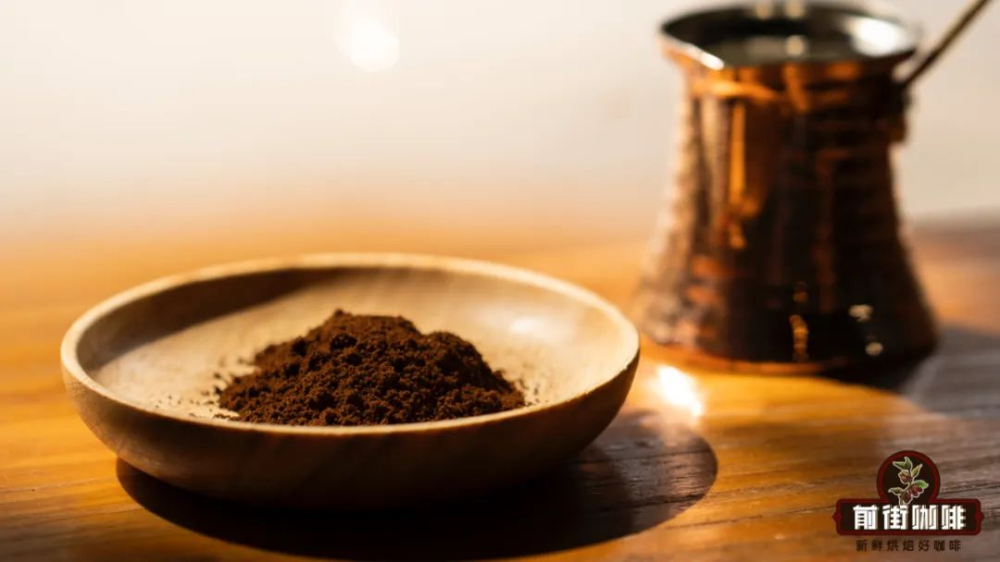
The method of making Turkish coffee still retains ancient traditions. Simply place extremely finely ground coffee powder along with cold water into the Cezve pot and slowly heat it using charcoal or another non-electric heating source. Here’s what to note:Turkish coffee is not filteredbecause the coffee powder is manually ground multiple times to an even finer consistency than the powdery texture of espresso, and most of it settles at the bottom of the cup after brewing. During drinking, almost no noticeable powder is ingested, and these grounds serve other purposes as well.
The recommended basic parameters are: 5 grams of coffee powder and 60 milliliters of water, suitable for a small Cezve pot. The grind size can be similar to an extra-fine espresso grind, but it is usually further manually ground several times to achieve a more consistent and delicate powder. According to traditional practice, Turkish coffee generally does not include added sugar or spices to highlight the purest essence of the coffee itself.
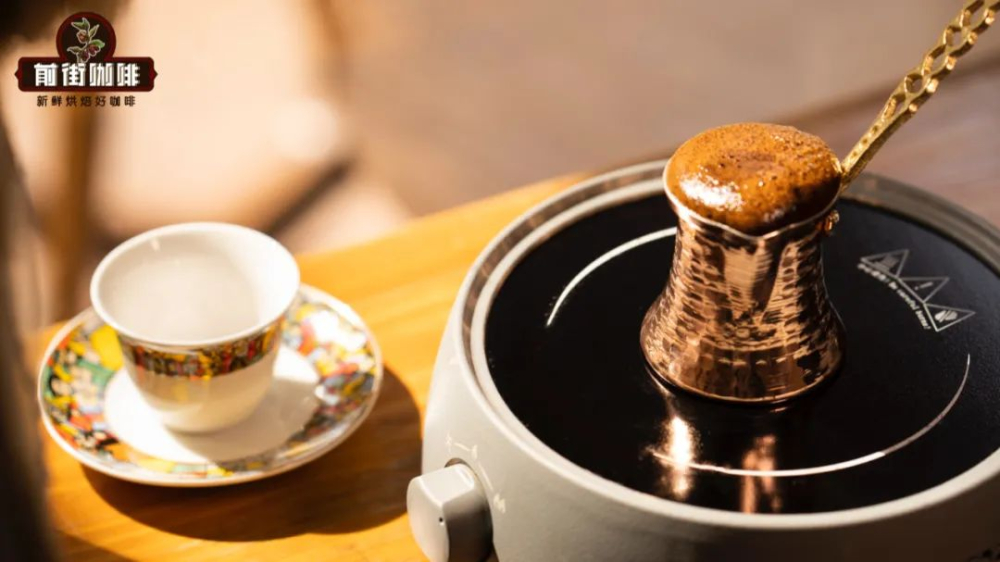
The so-called “three-pour” technique is the most classic brewing method in Turkish coffee. First, the ingredients are placed in the Cezve and heated over low heat. Once the coffee begins to boil, forming bubbles and foam, the pot is immediately removed from the heat. After the temperature slightly cools, it is reheated until it is about to overflow, then removed again—this action is repeated three times. Some methods involve pouring out about one-third of the coffee each time, creating layers and enhancing flavor release. This process not only controls the concentration of extraction but also makes the aroma of the coffee richer—it is the essence of Turkish coffee.
Beyond its unique way of drinking, Turkish coffee also has a mystical fortune-telling culture. After finishing the coffee, the cup and saucer are covered and left to sit for a while until the coffee grounds solidify naturally. Then the entire cup is turned upside down, leaving the residue on the saucer or rim. The cup is then turned upright again, and patterns formed by the coffee grounds at the bottom and sides of the cup—such as letters, animals, the sun, or the moon—are interpreted by a professional or experienced fortune-teller to predict future fortunes or romantic developments. This tradition is still practiced in many parts of the Middle East and Eastern Europe, adding to the mysterious charm of Turkish coffee.
Interestingly, although everyday Turkish coffee is typically served without any added flavorings, there is a coffee-related tradition in Turkish wedding customs. When a man visits his potential bride’s family to propose, he is served a special coffee infused with various spices. If the man can drink this intensely flavored—and potentially spicy—coffee without flinching, he is considered to possess the patience, tolerance, and perseverance ideal for a son-in-law. This fun custom turns coffee not just into a beverage but also into a test of culture and character.
The above content is compiled by CoffeeHunters, a coffee news website.


