








Introduction:During the pour over process, the foam that appears on the surface of the coffee grounds is not just a visual change—it also carries important clues about extraction status, coffee bean freshness, and roast level. As the foam transitions from an initial brownish-yellow to later whitish tones, these color shifts can help you identify the optimal extraction window and avoid over-extraction. Meanwhile, the density of the foam directly reflects the roast style and storage condition of the beans. This article will take you deeper into these subtle changes to help you refine your pour over technique.
During the extraction process of pour over coffee, as hot water comes into contact with the coffee grounds, a layer of foam gradually forms on the surface of the coffee bed. This foam is not static—its color shifts from an initial brownish-yellow to white, and its quantity may increase or decrease. These dynamic changes actually convey a wealth of key information, helping us better assess the progress of extraction, the freshness of the coffee beans, and their roast characteristics.
You may have already noticed that this foam shares a similar composition with the golden crema on top of espresso. In fact, the foam that appears during pour over is also made up of carbon dioxide, fine coffee oils, and very small coffee particles. They not only reveal the real-time state of coffee extraction but also provide a basis for adjusting brewing techniques.

When you finish the bloom phase and begin pouring water, the coffee bed will immediately produce a significant amount of foam upon contact with the hot water. At this stage, the emerging foam is usually brownish-yellow in color. This hue easily reminds one of the crema on espresso, and in fact, it is a similar substance that has not been compressed under pressure. This foam consists of carbon dioxide, oils, a small amount of fine particles, and relatively larger coffee grounds. Under the high-pressure extraction of an espresso machine, similar components are compressed into the familiar deep golden crema.
So, what do these changes in foam color actually indicate? As extraction progresses, you’ll notice the foam gradually shifting from brownish-yellow to whitish. Some believe that the appearance of white foam signals impending over-extraction—is this true? Let’s break it down step by step.
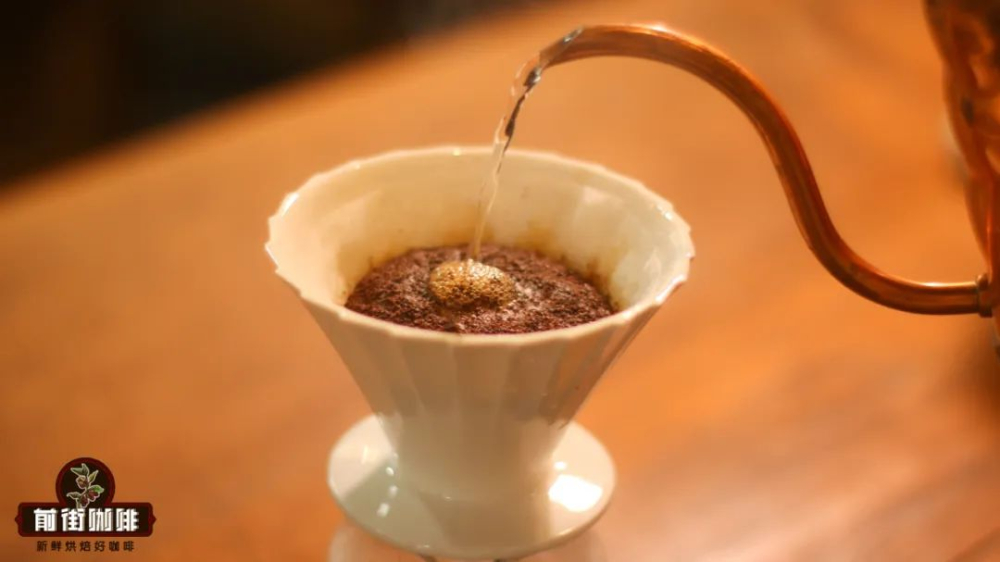
The formation of white foam mainly stems from two factors: first, the oils in the coffee grounds have largely been released; second, the coffee particles that were initially floating on the liquid surface gradually sink after absorbing water. These two elements are the main contributors to the foam’s coloration, and when they diminish or disappear, the foam naturally becomes lighter in shade.
Combining these two reasons, we can infer that when the foam starts turning white, it often indicates that extraction has reached the mid-to-late stage. The release of carbon dioxide from the coffee particles slows down, and the particles settle due to water saturation. This also means that continuing with high-intensity extraction can easily lead to over-extraction, resulting in a sharp or bitter taste in the coffee. Therefore, during the latter half of brewing, it’s recommended to reduce the radius and speed of circular pouring while increasing water flow rate, allowing the water to pass through the coffee bed more quickly, thereby controlling extraction levels.
If you’re familiar with the espresso extraction process, you’ll find a similar pattern in color transitions: as the coffee liquid shifts from dark to light, the underlying logic is actually consistent with the color changes in pour over foam.
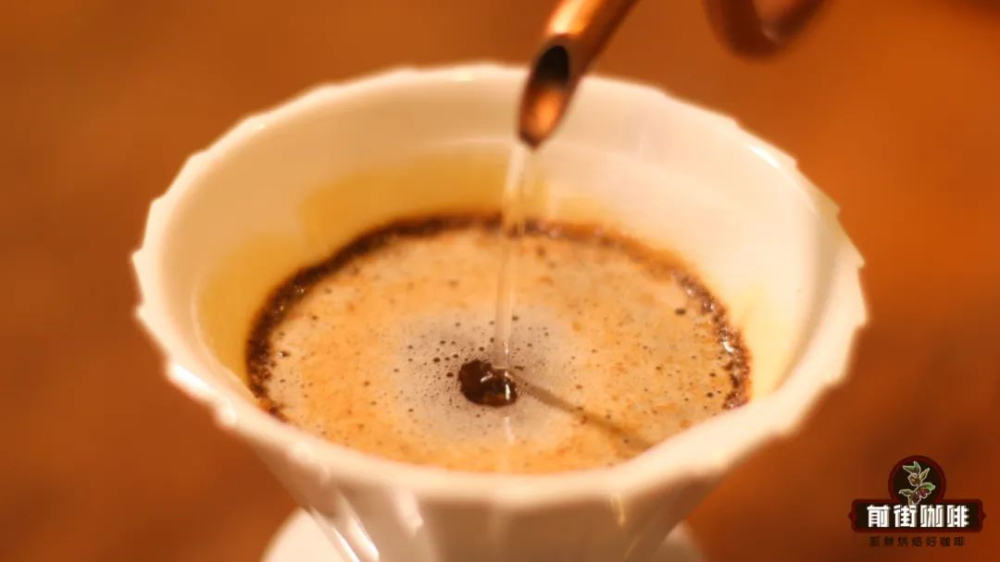
Beyond color, the richness or density of the foam is another important observational indicator. The thickness of the foam is primarily influenced by two major factors: the roast level and freshness of the coffee beans.
Let’s first look at roast level. Generally speaking, dark roasted coffee beans, due to their longer roasting time and looser internal structure, can retain more carbon dioxide. The moment hot water is poured, these beans are more likely to release a large amount of gas, resulting in foam that is not only more abundant but also more active. In contrast, light roasted beans, with a denser texture and weaker gas release capability, produce less foam in both quantity and expansion.
Next is freshness. After roasting, coffee beans enter a degassing phase, continuously releasing internal carbon dioxide and other volatile compounds. Carbon dioxide is the key component that forms foam. Therefore, coffee beans in their fresh period, rich in carbon dioxide, tend to produce lush foam when water is poured. On the other hand, once coffee beans have been stored for too long, the internal carbon dioxide gradually dissipates, and no matter how skillful the pouring technique, the foam will appear thin or may even fail to form properly.

In summary, the color and richness of foam during the pour over process not only reflect the current extraction status but also reveal the roast style and freshness of the coffee beans. By observing the transition of foam from brownish-yellow to whitish, you can determine whether extraction is nearing its end and accordingly adjust your brewing strategy to avoid the risk of over-extraction. Meanwhile, the density of the foam provides important insight into the bean’s roast degree and storage condition. Mastering these details will help you more precisely control each pour over session, extracting coffee with more balanced flavor and richer layers.
The above content is compiled by CoffeeHunters, a coffee news website.


