








Introduction:To brew a cup of coffee with balanced flavors, grind size is key. Different brewing methods require varying levels of coffee particle fineness—too coarse leads to under-extraction, while too fine can cause over-extraction. Based on cupping standards, this article provides an in-depth analysis of the ideal grind sizes for French press, pour over, siphon, cold drip, espresso machines, and moka pots, along with practical adjustments for roast level and water temperature to help you master the grind for each method.
The charm of coffee lies in its diverse aromas and layers, but fully unlocking these essences starts with grinding. However, not all brewing devices suit the same grind size—from the coarse grounds of a French press to the fine powder required for espresso machines, the differences are significant. Choosing the wrong grind, no matter how premium the beans, can make it difficult to achieve the best flavor.
This article uses the industry-standard cupping grind as a starting point, then explains the ideal grind ranges for common brewing devices such as French press, pour over, cold drip, siphon, espresso machines, and moka pots. It also offers practical adjustments based on roast level and water temperature, helping you find the most suitable grind for your brewing habits.

Common coffee brewing devices can be roughly divided into six categories by grind requirement, from coarsest to finest: French press > pour over > cold drip > siphon > moka pot ≈ espresso machine. While the general direction is clear, the practical question of “how coarse or fine is right?” often causes confusion. This is where we need a widely accepted reference standard to guide grind adjustments.
Fortunately, the industry has reached a consensus on the grind specification for “cupping,” making it the best starting point for adjusting other brewing methods. The cupping grind is measured using a20-mesh sieve with asieve passing rate of 70–75%,
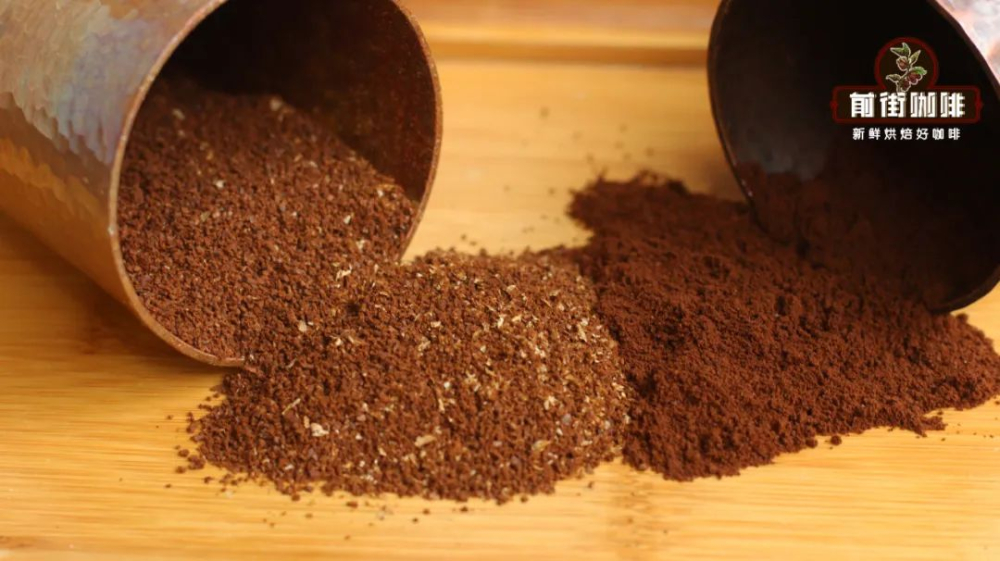
a value determined through repeated experiments and tastings, recognized as the standard for showcasing coffee’s balanced flavors.
Based on the cupping grind, slight adjustments can be made according to the extraction conditions of each device, allowing for a more scientific approach to setting grind size for each brewing method. Below, we’ll start with the coarsest—French press—and work our way to the finest—espresso machine—to help you understand how to choose the right grind.
French Press Grind Recommendation
The French press uses immersion brewing, similar to cupping, so the grind sizes for both overlap significantly. However, cupping typically uses water at a constant 94°C, while French press often uses freshly boiled water, which may be even hotter, increasing extraction efficiency. To avoid over-extraction, it’s recommended to adjust the French press grind slightly coarser than the cupping standard.For French press, use a20-mesh sieve with a 68–75% sieve passing rate,grind size similar to coarse sugar. Specific adjustments can be made based on water temperature and roast level: for higher water temperatures or dark roasts, set the grind between68%–71%for a coarser preference; for normal water temperature and light roasts, choose71%–75%
for more thorough extraction.
Pour Over Coffee Grind RecommendationPour over typically uses lower water temperatures and shorter extraction times. To compensate for these limitations, the grind needs to be finer to improve extraction efficiency. A grind of20-mesh sieve with a 70–80% sieve passing rate
is recommended, about the coarseness of fine sugar.If further categorized by roast level, medium-light roasts are recommended to use75%–80%for a finer grind, helping to highlight acidity and aroma; medium-dark roasts should use70%–75%a bit coarser to avoid over-extraction and bitterness. For iced pour over, increase thesieve passing rate by 5%
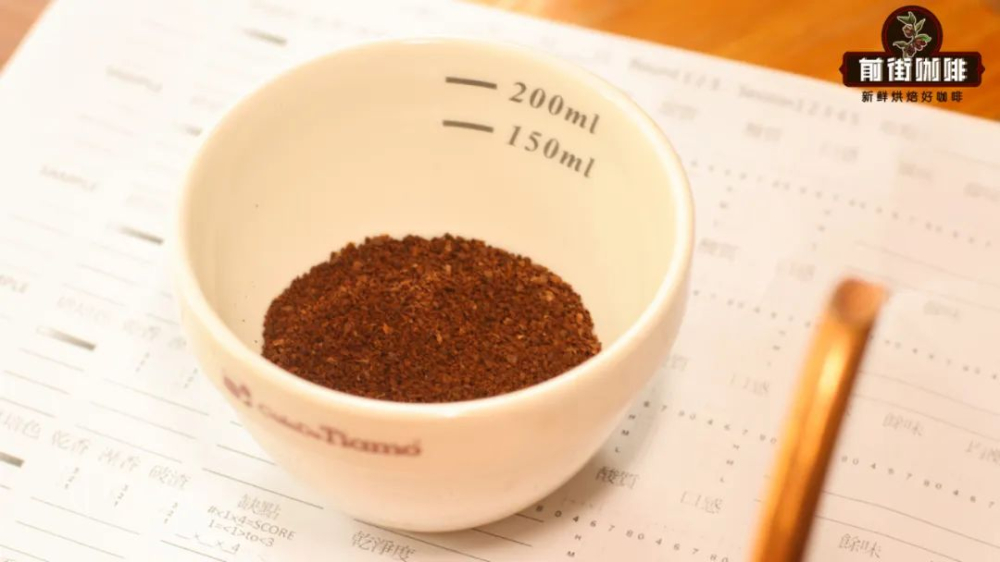
(i.e., go one step finer) on top of the base recommendation to address the challenges of low water temperature extraction.
Ice Drip & Cold Brew Grind Selection
Both ice drip and cold brew use icy water for long extraction periods, with slow extraction speeds. Many assume the grind needs to be finer than pour over. However, the prolonged steeping time is already sufficient for full flavor release; grinding too fine can lead to over-extraction and increase the risk of fine particles clogging the filter.Generally, it’s advised to start with the pour over grind and thenincrease the sieve passing rate by 5% (i.e., grind slightly finer).
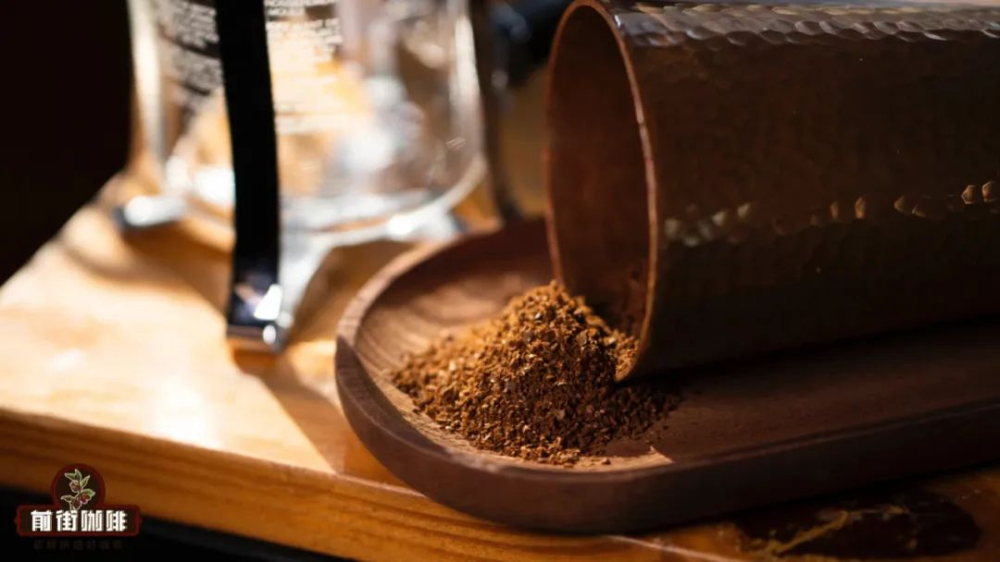
If you prefer a lighter-tasting brew, using the same grind as pour over is also acceptable. Remember, cold water extraction values stability and gradual extraction—over-pursuing fineness may backfire.
Siphon Grind AdjustmentThe siphon brewing process involves high water temperatures and stirring, which theoretically ensures decent extraction efficiency. But since the total extraction time is less than a minute, a slightly finer grind is still needed to boost extraction rates. A grind of20-mesh sieve with an 85–90% sieve passing rate
is recommended—an medium-to-fine grind that helps extract coffee flavors effectively in a short time.
Espresso Machine Professional GrindThe grind required for espresso machines is extremely fine, almost powdery, and cannot be accurately measured with traditional sieves. Its extraction parameters are highly sensitive—even a 0.1-gram difference in coffee dose can affect the final flavor. Therefore, it’s recommended to first establish a stable extraction recipe, such as:using 20 grams of coffee to extract 40 milliliters of espresso in 28±1 seconds,
then fine-tuning grind coarseness based on extraction time.
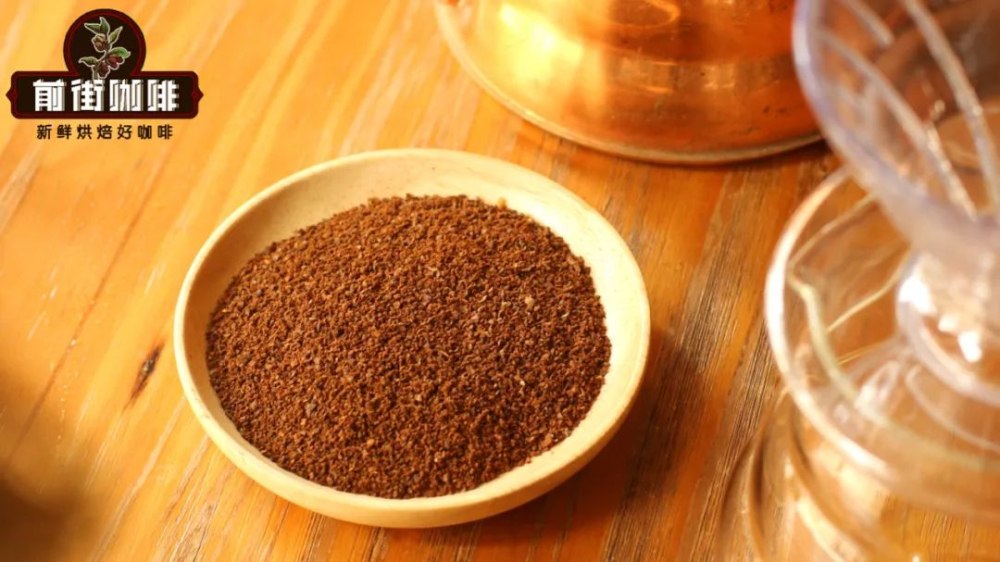
If the extraction is too fast, the grind is too coarse and should be adjusted finer; if too slow, the grind may be too fine and should be adjusted coarser. Finally, evaluate taste to determine whether further adjustments to coffee dose or yield are needed to find your optimal balance.
Moka Pot Grind Adaptation

The above content is compiled by CoffeeHunters, a coffee news website.


