







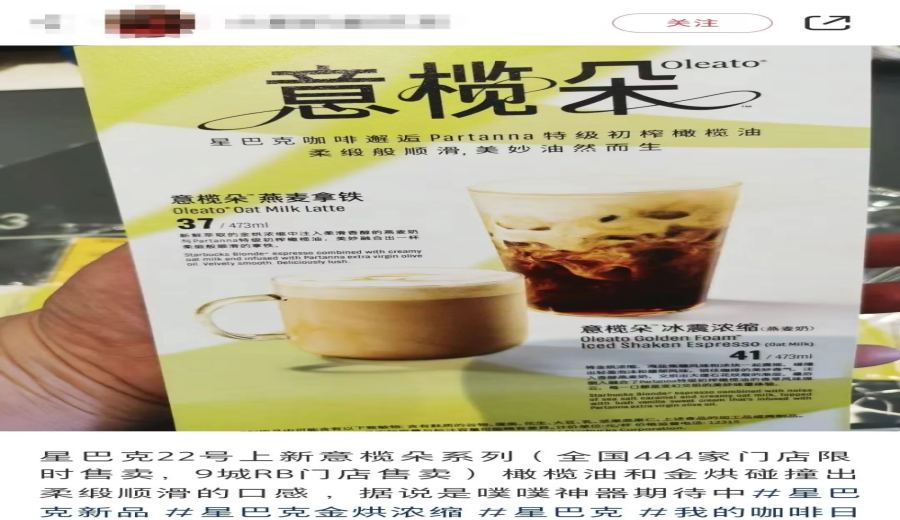
Introduction:Starbucks has recently launched the Oleato series in select stores, introducing its olive oil-infused coffee beverages that were delayed by a year. This innovative product, highly recommended by former CEO Schultz, has sparked polarized reactions since its overseas debut. This article delves into the recipe features, market feedback, and the R&D strategy behind the controversy, helping coffee enthusiasts understand the truth about this unique drink and what to consider before trying it.
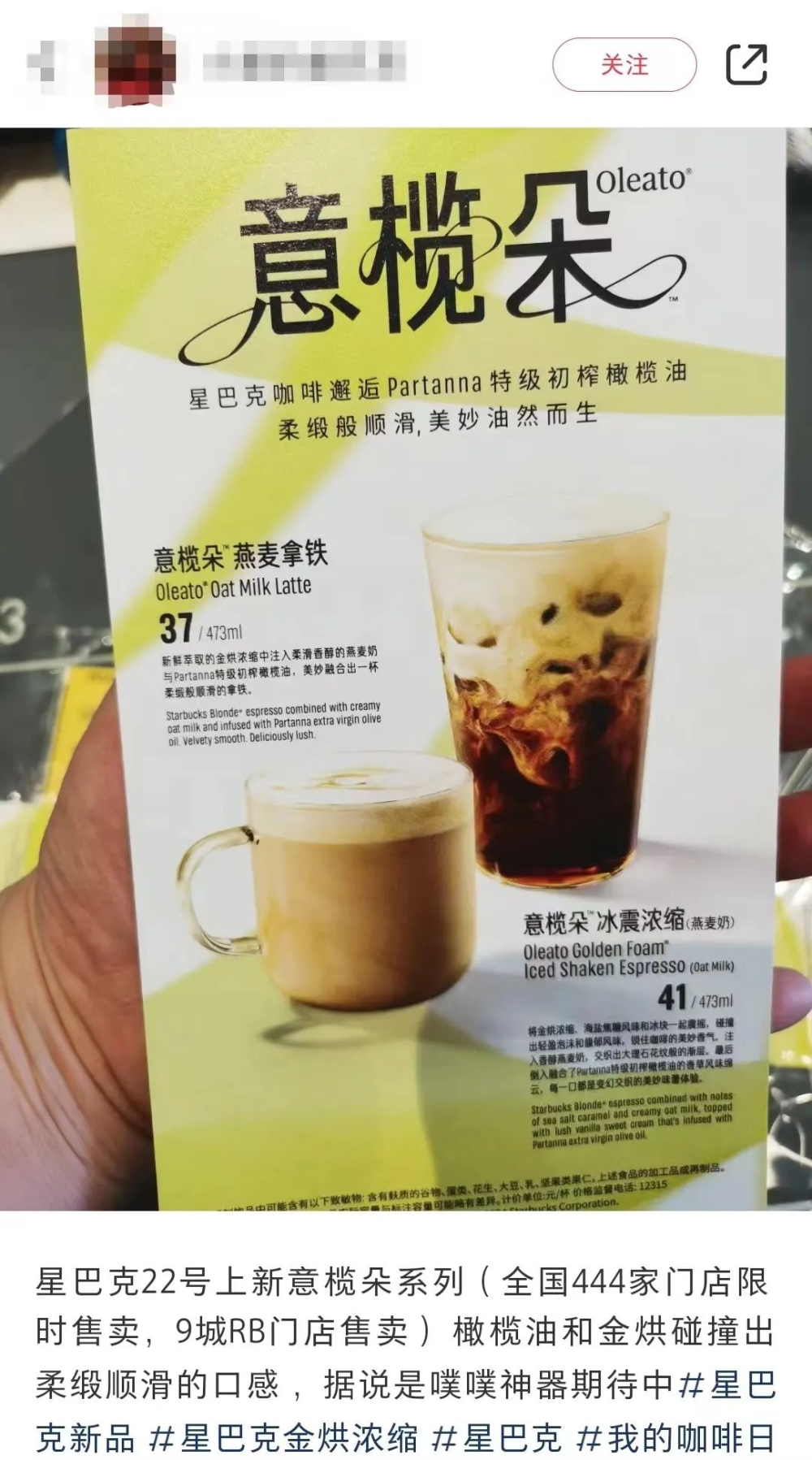
Starbucks recently announced the limited release of the Oleato series in select domestic stores, featuring two new coffee drinks with added olive oil. This is actually the long-awaited Oleato series once highly praised by former CEO Howard Schultz, which has finally arrived in the Chinese market after a one-year delay. From Dongpo Pork Latte to now olive oil coffee, Starbucks has been frequently rolling out new products this year, accompanied by considerable controversy, reflecting the brand’s challenges in product localization and innovation direction.
According to official information, this series will be available at select stores nationwide on designated dates, highlighting the infusion of pure olive oil into classic coffee bases. Industry insiders point out,each drink contains approximately 5 to 10 milliliters of extra virgin olive oil—a combination extremely rare in traditional coffee circles and one of the main reasons netizens have dubbed it “culinary madness.”
As early as last May, Schultz, in an international media interview, hailed Oleato as a revolutionary product representing the “coffee 3.0 era” and clearly stated plans to introduce it to China. However, domestic consumers had to wait a full year to see any real progress, leaving some fans both excited and puzzled. The series was first developed and launched in Italy, then expanded to markets such as the United States and Japan, but global reviews have remained distinctly divided.
Consumer feedback is polarized: some drinkers describe the taste as silky smooth, with unique fruity notes and a rich aftertaste, especiallythe cold brew version, which better highlights the layered aroma of the olive oil; others find it hard to accept, believing the oily texture disrupts the original flavor balance of the coffee. Interestingly, some users have reported improved bowel movements after drinking it, earning the product the humorous nickname “coffee world’s laxative.”
From a product development perspective, Starbucks has adopted a high-frequency new product strategy in recent years, with new drinks being launched in rapid succession. While this approach maintains market buzz, it has also left many loyal customers feeling the innovation lacks depth.Professional baristas advise that the optimal drinking temperature for olive oil coffee is 60–65°C, as higher temperatures may make the oil flavor overly pronounced. They recommend savoring its unique flavor layers carefully.
Market observers analyze that the introduction method of the Oleato series has raised questions, with some consumers feeling Starbucks is simply bringing in a product already launched abroad nearly a year ago without tailored adjustments for the Chinese market. However, others argue that for coffee lovers unable to travel abroad, having access to an internationally exclusive product is still a convenient option.
Industry experts suggest that consumers interested in such innovative coffee drinks try a small size on their first attempt and pay attention to how their stomachs respond. Though the combination of coffee and olive oil is non-traditional, it has experimental precedents in the international specialty coffee scene, and its market acceptance still needs time to be verified.
The above content is compiled by CoffeeHunters, a coffee news website.


