








Introduction:Starbucks was set to launch an April-limited collaboration with Disney in mainland China, generating great anticipation among fans—especially those who had long followed exclusive merchandise releases in South Korea, Japan, and Hong Kong & Macau. However, once the featured characters and mug designs were officially unveiled, they sparked intense discussion and controversy. Why did this design, themed around the protagonist of Alice in Wonderland, leave netizens so disappointed? This article delves into the points of contention behind this buzzworthy collaboration mug and the feedback from consumers.
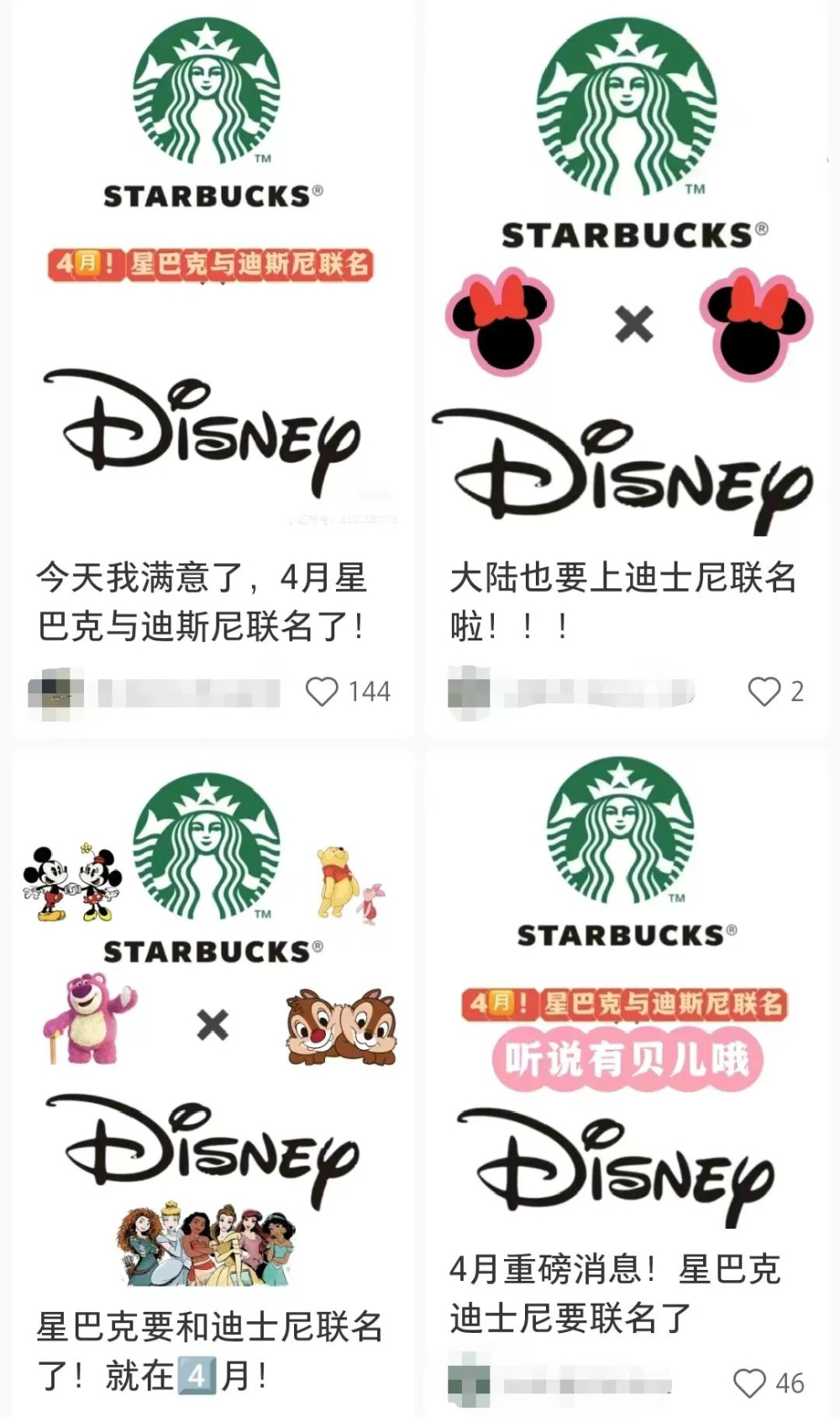
Recently, news spread online that Starbucks would be releasing a limited-edition collaboration with Disney in April, exclusively in mainland China. The announcement quickly ignited widespread discussion among coffee enthusiasts and fans. For mainland consumers who had closely followed the brand’s finely crafted Disney-themed merchandise in South Korea, Japan, and Hong Kong & Macau, this was undoubtedly exciting news.
However, the collaborator this time wasn’t the widely expected Mickey Mouse or Minnie Mouse, nor was it the recently popular pink fox character, Rin Tin Tin, from Shanghai Disneyland. Instead, the chosen character was Alice, the protagonist from the classic animated film Alice in Wonderland. This selection surprised many fans who had been eagerly anticipating the collaboration and triggered a wave of discussion about the popularity of the chosen character.
What drew even stronger reactions from netizens was the subsequent reveal of the limited-edition mug design.The mug features a bright green as the main color, paired with a vibrant orange handle.This color combination received a lot of criticism on social media platforms, with many users commenting that “the colors clash too much” and “the visual effect is uncomfortable.” Some even went as far as to say the design looked rather careless, lacking in detail and sincerity.

Looking more closely at the mug, apart from the eye-catching color scheme, the design itself has also been called into question.Alice’s image is simply printed on the body of the mug, without any further integration into the overall mug design.Additionally, there are noticeable color differences and flaws at the seam where the handle meets the mug body, which significantly detracts from the overall quality. Compared to Starbucks’ Disney collaboration series released in other regions—such as cups and tumblers that incorporate character elements with refined color schemes—this mainland version is widely regarded as falling short in terms of design sophistication.
Some netizens pointed out that the classic animated film Alice in Wonderland actually offers many design elements that could have been utilized, such as the protagonist’s iconic blue-and-white dress, pocket watch, and various fantastical settings—all of which could have served as sources of inspiration for the merchandise. However, this mug only uses a simple depiction of the character, failing to convey more of the story’s atmosphere or offer interactive design elements, which is seen as a missed opportunity.
This design has also led netizens to question Starbucks’ market strategy in mainland China. Some comments suggest that Starbucks may not be placing enough importance on the expectations of mainland consumers, with one remarking, “Maybe they think no matter how they design it, people in the mainland will buy it anyway,” leading to a lack of care in product design. Many netizens even stated that seeing this product made them decide against purchasing it, saying, “This design makes me not want to buy it at all—it’s actually saved me money.”
However, some netizens hold a more neutral view, arguing that only one mug has been revealed so far and that it doesn’t represent the overall design quality of the entire collaboration series.There may be other merchandise items released in the future, such as tumblers, insulated cups, or themed desserts, which might feature more surprising designs.Some even hope to see a hit product similar to the previous “Spring Mountain Cup.”
Overall, while the character choice in Starbucks’ collaboration with Disney came as a pleasant surprise, the specific product design has sparked considerable controversy. For consumers, aside from the appeal of the characters themselves, the aesthetic quality and the level of thought put into the design are often key factors in their purchasing decisions. Moving forward, if Starbucks wishes to continue launching collaboration products in the mainland market, balancing character popularity with design quality will be a crucial challenge.
The above content is compiled by CoffeeHunters, a coffee news website.


