








Introduction:Have you ever considered that water temperature can actually be flexibly adjusted to optimize the flavor of pour over coffee? The "Three-Temperature Pour Over" method, created by 2016 WBC champion Wu Zelin, uses a three-stage extraction process at 94°C, 90°C, and 80°C to effectively balance acidity, sweetness, and bitterness. This article will detail the full workflow and parameters of this technique—from equipment preparation and segmented pouring techniques to the final flavor profile—helping you deeply understand the critical role of water temperature in coffee extraction.
In the world of pour over coffee, while there are many variables that can be adjusted, most people commonly tweak grind size, coffee-to-water ratio, and water temperature. Among these, water temperature is often regarded as the most stable parameter, usually fixed at a single value such as 88°C, 90°C, or 93°C to play it safe. However, 2016 World Barista Championship (WBC) champion Wu Zelin took a different approach, using the "Three-Temperature Pour Over" method to skillfully adjust extraction at different stages through varying temperatures, achieving a more refined balance of the coffee’s acidity, sweetness, bitterness, and mouthfeel.
The essence of this technique lies in segmented water temperature control—94°C, 90°C, and 80°C—each corresponding to a specific extraction goal. This variable temperature strategy allows for more precise extraction of the coffee bean’s multi-layered flavors, particularly well-suited for medium to light roasted beans, highlighting richer layers and finer details.

Generally speaking, during pour over extraction, the three most commonly adjusted variables are grind size, water temperature, and coffee-to-water ratio. Water temperature, though seemingly just a simple number, directly affects the rate at which flavor compounds are released. Higher temperatures accelerate the release of acidity and sweetness but can also cause bitter compounds to dissolve earlier; conversely, lower temperatures may suppress bitterness but risk under-extracting flavors, resulting in a thin overall taste.
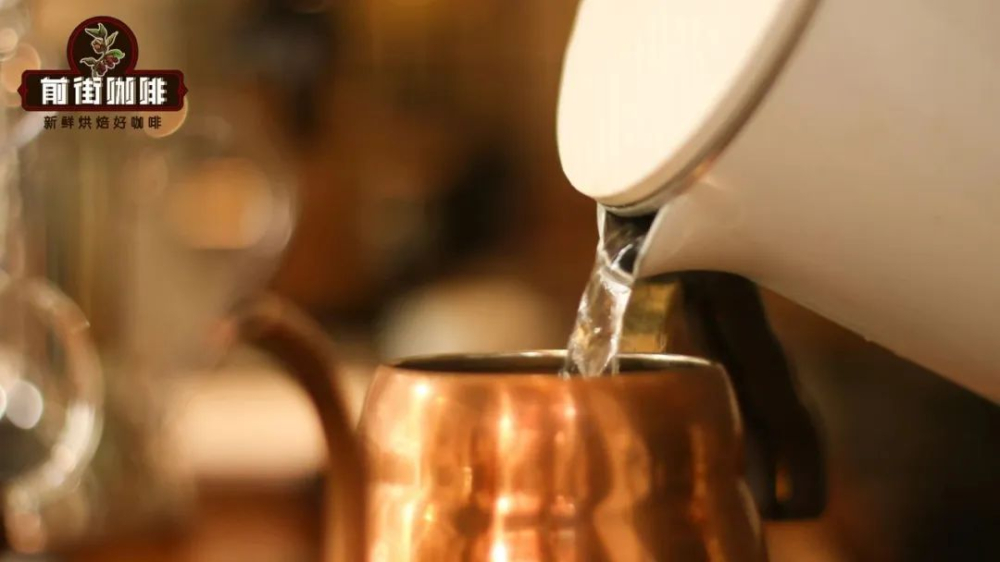
Therefore, many professional competitors and advanced enthusiasts adopt what is known as "variable temperature brewing," using different temperatures at various stages to control the extraction curve. The "Three-Temperature Pour Over" is a classic example of this method, developed by WBC champion Wu Zelin and still widely loved and imitated by coffee enthusiasts today.

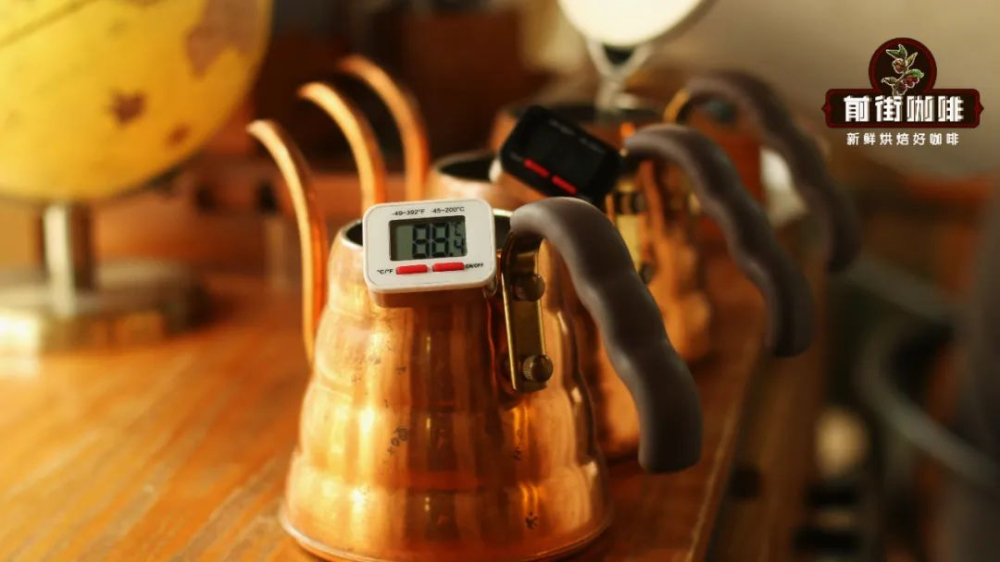
To execute the Three-Temperature Pour Over, the primary requirement is the ability to prepare and control hot water at three different temperatures. These three temperature points are: first stage at 94°C, second stage at 90°C, and final stage at 80°C. This can be managed using two pour over kettles along with one kettle of room temperature water—one kettle heated to 94°C for the first bloom and second stage pouring; another kettle naturally cooled by keeping the lid on, dropping to around 90°C by the third stage; finally, mixing some hot water with room temperature water to bring the temperature down to 80°C for the final extraction stage.
The coffee used in this demonstration is a honey-processed Geisha from Guatemala’s New Oriental region, featuring a medium-light roast. Its flavor profile is anchored by toffee, sweet orange, and cocoa biscuit notes. The grind size is the store’s usual fine sugar consistency, approximately 80% passing through a #20 sieve, around setting 10 on the EK43s grinder. Filtration is done using the Hero variable-speed flat-bottom cake dripper, which facilitates temporary immersion at the end for enhanced stability in flavor extraction.
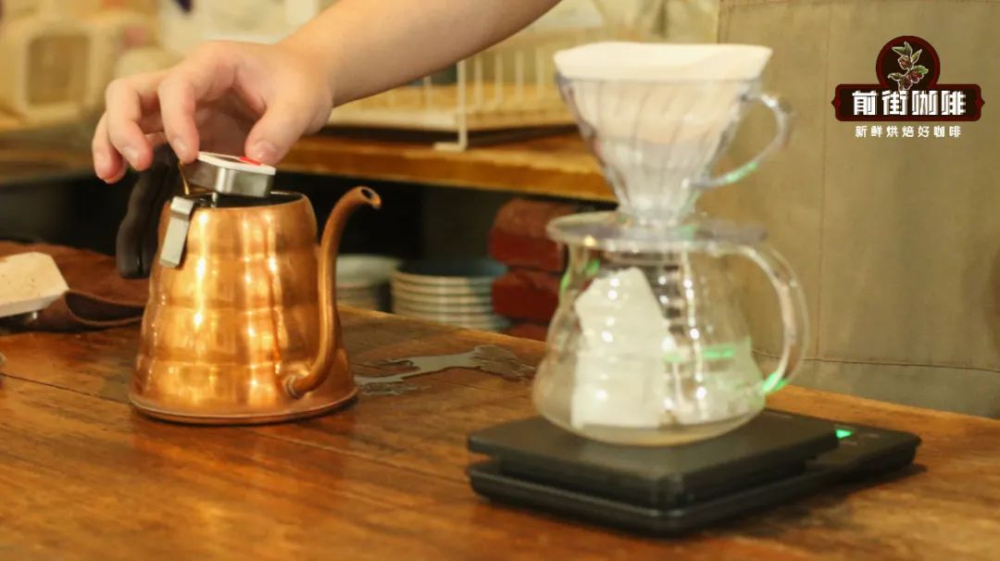
First is the initial bloom stage, where about 40 grams of 94°C hot water is poured in a circular motion to evenly saturate the grounds, timed for 30 seconds. This step helps awaken the coffee grounds and release initial aromas. Note: Before blooming, ensure the dripper is draining properly to avoid pooled water affecting subsequent extraction. After blooming, continue pouring the same high-temperature water using a larger stream but slow circular motion, adding about 80 grams for the second stage, causing the coffee bed to gradually rise to about two-thirds of the dripper height.
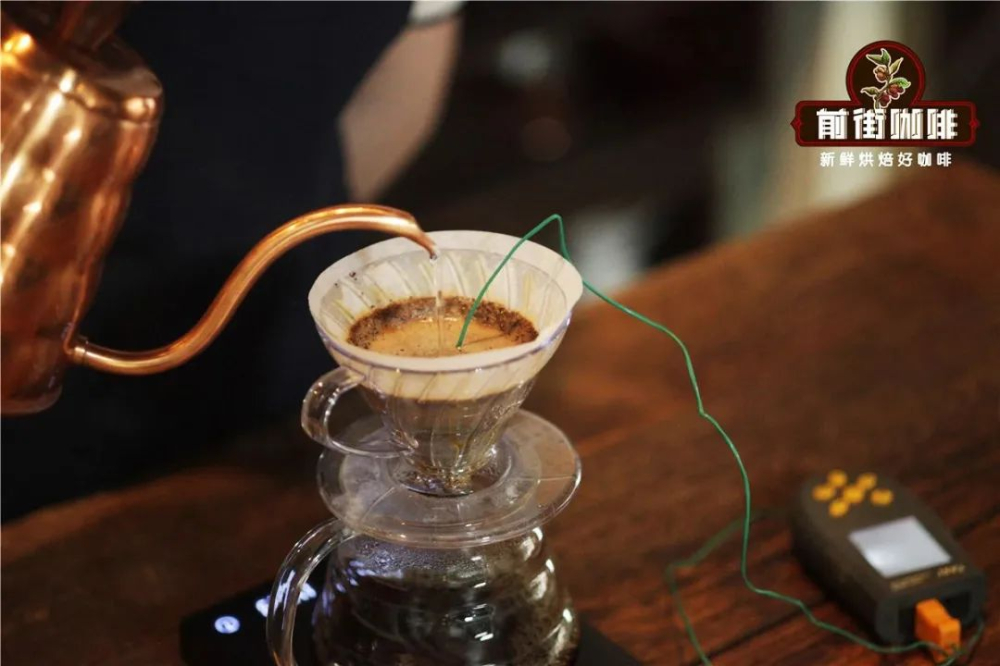
When the water from the second stage is nearly drained, switch to water pre-cooled to 90°C. Using a large stream and slow circular pouring, add about 80 grams, bringing the water level back up to roughly the same height as in the second stage. This slightly lower temperature helps continue flavor release while avoiding the harshness that can come from over-extraction.
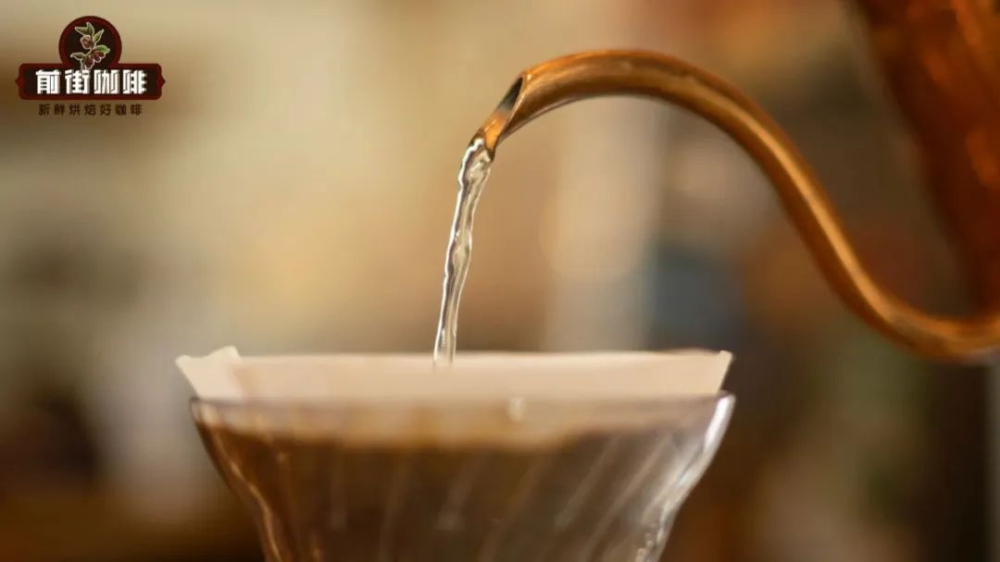
After all the coffee liquid has dripped into the server, switch the dripper to immersion mode and pour the final 40 grams of water, which should have been cooled to 80°C by mixing with room temperature water. This immersion lasts about 20 seconds, after which the valve is opened to allow the coffee to fully drain. The total extraction time is approximately 2 minutes and 18 seconds—a rhythm that allows acidity, sweetness, bitterness, and mouthfeel to unfold in layered harmony.
The final cup of Guatemalan Geisha brewed via the Three-Temperature Pour Over showcases an exceptionally layered flavor profile. Upon tasting, you’re first greeted by a bright and lively citrus acidity, followed by soft chocolate notes and a mildly sweet dried cranberry finish. The overall balance is smooth and approachable, with a distinct aftertaste of lingering sweetness that leaves a memorable impression.
The above content is compiled by CoffeeHunters, a coffee news website.


