







Introduction:Have you ever wondered whether using the same coffee beans with a pour over dripper versus a drip bag would result in vastly different flavors? This article delves into the subtle differences between these two brewing methods in terms of aroma, taste, and complexity, and dissects the advantages of drip bags in various scenarios. Starting from experimental data, it helps readers choose the most suitable brewing method based on their needs, while also analyzing the multi-region flavor characteristics of this season’s drip bag blends.
In the hustle and bustle of urban life, coffee is not just a pick-me-up but has become an essential ritual for many. Some enjoy the layered complexity and hands-on pleasure of pour over coffee, while others prefer the convenience and efficiency of drip bags. If the same coffee beans are used, what exactly is the difference between the final cup from pour over and from a drip bag? Through experimental comparison, this article comprehensively analyzes the similarities and differences between the two—from aroma expression and flavor presentation to taste variations—and guides you in choosing the method that best suits you.
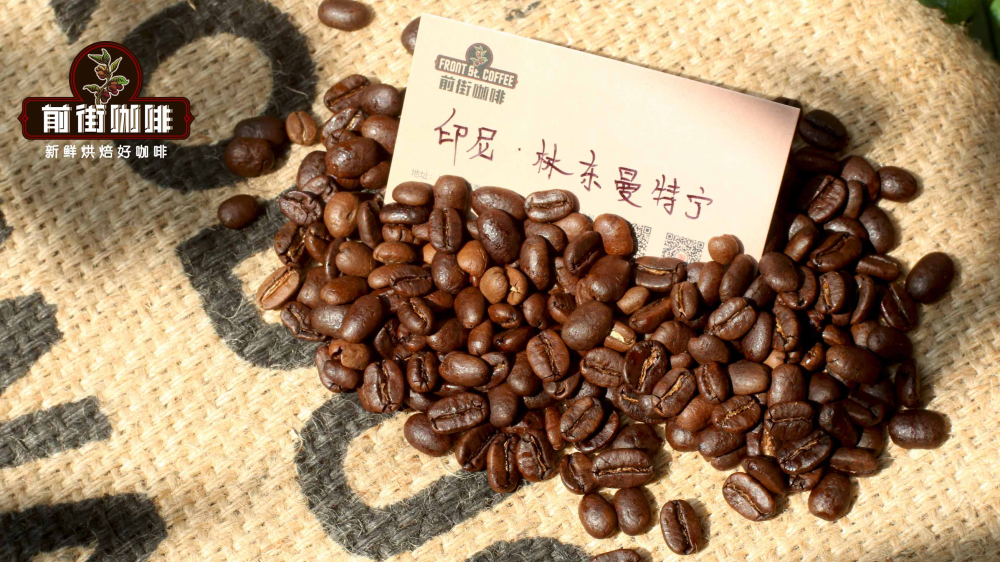
 With the growing popularity of specialty coffee, more and more people are trying pour over at home, enjoying the intricate extraction process and rich layers of flavor. However, the equipment, technique, and time required for pour over can still be a barrier for some users. As a result, drip bags—affordable and easy to use—have become the go-to choice for many busy professionals. If you want to balance convenience and quality, consider starting with this season’s selection of classic single-origin drip bags, such as those featuring Yirgacheffe, Mandheling, Brazil, and Yunnan small-bean varieties. Each highlights distinct and representative regional traits, making them great choices for beginners and everyday drinking.
One customer who often brews coffee at home once asked after trying pour over: “If I use the same coffee beans, will the difference between a drip bag and pour over be significant?” The answer might surprise you—when using the correct parameters and tools, the flavors from both methods can actually be quite similar. But in reality, there are still nuanced details worth exploring.
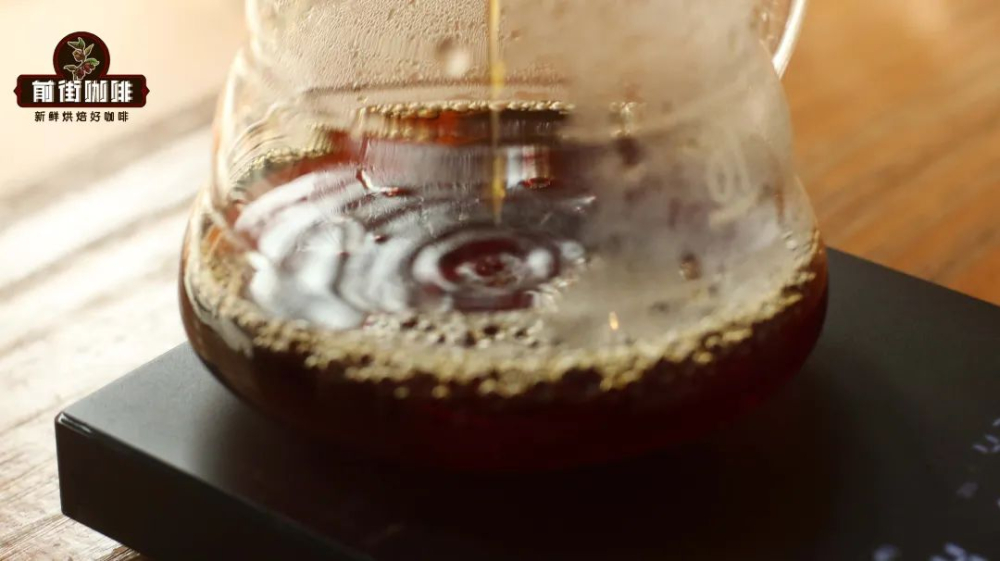 Firstly, the fundamental principles behind drip bags and pour over are very similar—both filter the coffee grounds through paper to extract flavor via water contact. The only difference is that drip bags eliminate the tedious preparatory steps such as weighing beans, grinding, and controlling water temperature, making the extraction process more direct and efficient. If you’re using freshly ground coffee and can manage water temperature and pouring rhythm, the coffee experience from both methods can be equally satisfying.
To make a concrete comparison, this experiment used Panama washed Geisha (known locally as "花蝴蝶") coffee beans, which are well-balanced and widely praised. Both pour over and drip bag methods were used. For pour over, the parameters were set as follows: 15 grams of coffee, using a V60 dripper, water temperature around 92°C, a 1:15 coffee-to-water ratio, grind size equivalent to 80% through a #20 sieve (approximately grind setting 10 on an EK grinder), with a three-pour technique and a total extraction time of about 2 minutes and 15 seconds, yielding 225 ml of coffee. For the drip bag, 10 grams of coffee were used, with the same water temperature and coffee-to-water ratio, resulting in approximately 150 ml of coffee.
If you don’t have a thermometer at home, a simple trick is to let boiled water sit for about one minute to naturally cool down to around 90–92°C. This way, even without professional equipment, you can still brew coffee with stable quality.
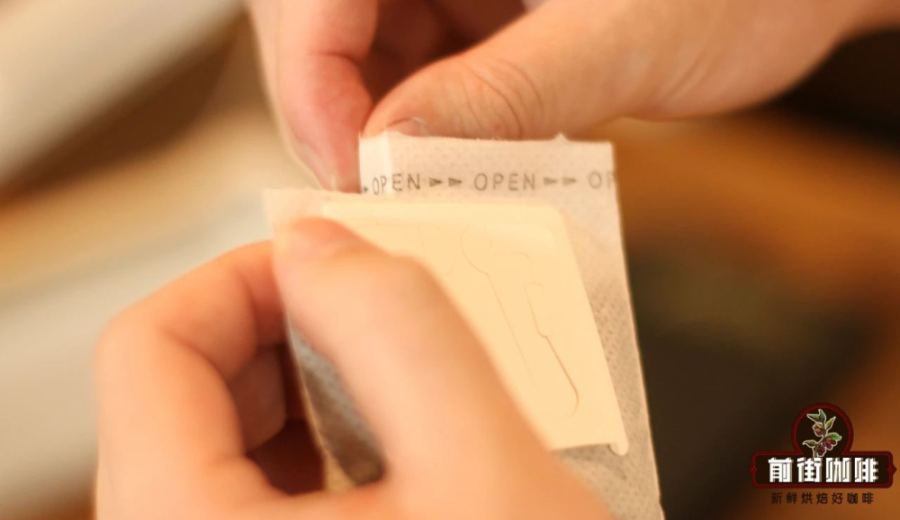
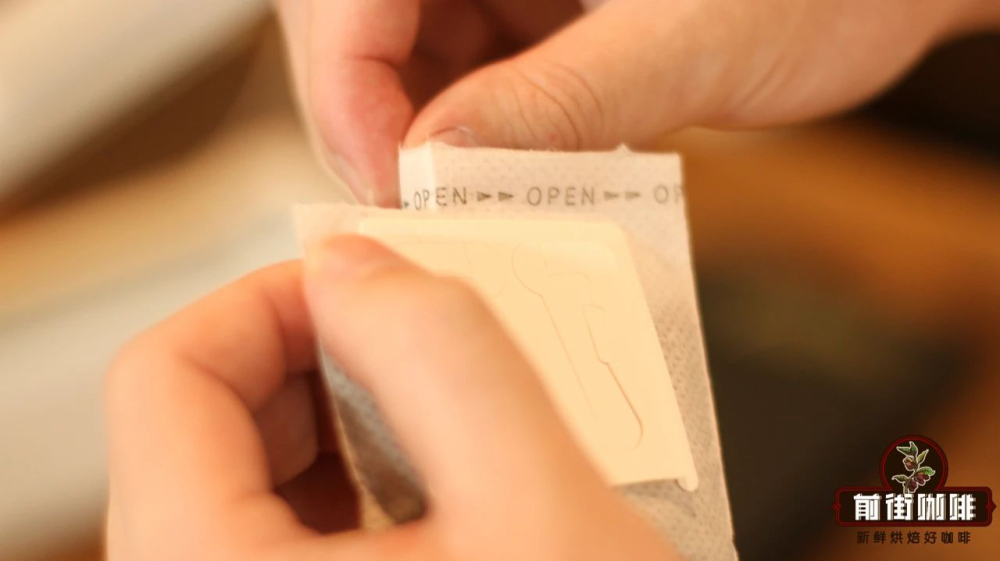
 When using a drip bag, it’s recommended to follow these steps: First, open the drip bag and hang it over your cup. Once the water temperature is appropriate, pour a small amount of hot water for blooming—about 10–15 seconds—to awaken the coffee grounds. Then pour water in increments, each time filling the drip bag to about nine-tenths full, repeating this three times, and finally topping up to around 150 ml total. Wait for the dripping to finish, and then enjoy. This method ensures full flavor release while maintaining convenience.
According to the experimental results, pour over coffee delivers a more three-dimensional aroma, with clear notes such as passionfruit, berries, honey sweetness, and subtle floral tones. The overall flavor profile is more vivid. In contrast, the aroma of drip bag coffee is slightly more restrained, though the overall difference is not as significant as expected. In terms of mouthfeel, pour over allows for more precise control over the coffee bed and water flow, usually resulting in a rounder, fuller body; whereas drip bags tend toward a cleaner, lighter taste, suitable for those who prefer a refreshing cup.
In further tests, we also used a dark-roasted Heaven Bird coffee bean for comparison. Both brewing methods produced coffee with notes of dark cocoa, cream, chocolate, and almonds, though the pour over version had a heavier body, while the drip bag version was slightly sweeter. Overall, as long as freshly ground coffee and well-controlled parameters are used, the differences between the two can be minimized.
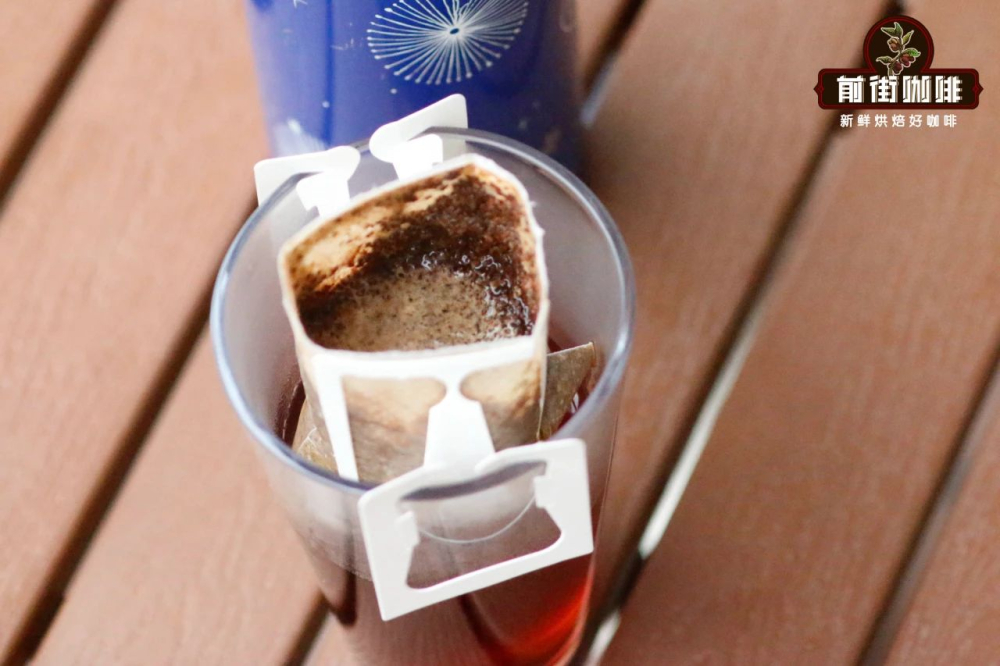 It’s worth noting that most commercially available drip bags come pre-ground. If not stored properly, the aroma can easily dissipate over time. Additionally, lack of control over water temperature or pour volume when brewing drip bags at home may also affect the final flavor. Therefore, if you’re seeking a more intricate, rich flavor and mouthfeel, pour over remains the better choice; but if you value efficiency, convenience, and still want decent extraction quality, drip bags are definitely an excellent alternative.
No matter which method you choose, you can find the coffee experience that best suits you based on your flavor preferences, lifestyle, and equipment. By exploring different regions and processing methods, you’ll gain deeper insight into the diverse world of coffee and develop your own refined taste.
The above content is compiled by CoffeeHunters, a coffee news website.


