








Introduction:Want to pour latte heart patterns as beautiful as those in cafés at home? This guide provides a detailed breakdown of the basic techniques for pouring a classic white heart latte art. From steaming milk to controlling the angle of the pitcher and flow rate, we’ll take you step-by-step through this essential barista skill. Whether you’re a beginner or looking to refine your fundamentals, this practical tutorial will help improve your success rate and includes advice on milk and bean selection for practice.
Latte art is not only a decorative art in cafés but also an important demonstration of a barista’s skill. For beginners, the classic white heart pattern in a latte is the most fundamental and approachable design. Mastering it not only enhances the visual appeal of your coffee but also improves your control over milk texture and pouring technique.
First, preparation is key. It’s recommended to use freshly roasted medium-to-dark roast coffee beans—these produce an Espresso with a rich and stable crema, which helps showcase the latte art pattern. Pull a shot of about 30ml of espresso, with a crema that is even and fine, dark brown with golden edges. This will serve as the base for your heart design.

Next comes milk frothing. Choose whole fresh milk with a fat content between 3.2% and 3.8%—this yields a delicate yet stable microfoam. When steaming, aim to heat the milk to between 55°C and 60°C for optimal results. Overheating can make the foam coarse, negatively affecting fluidity and integration. The foam should be smooth and fine, without large bubbles, resembling silky smoothness overall.
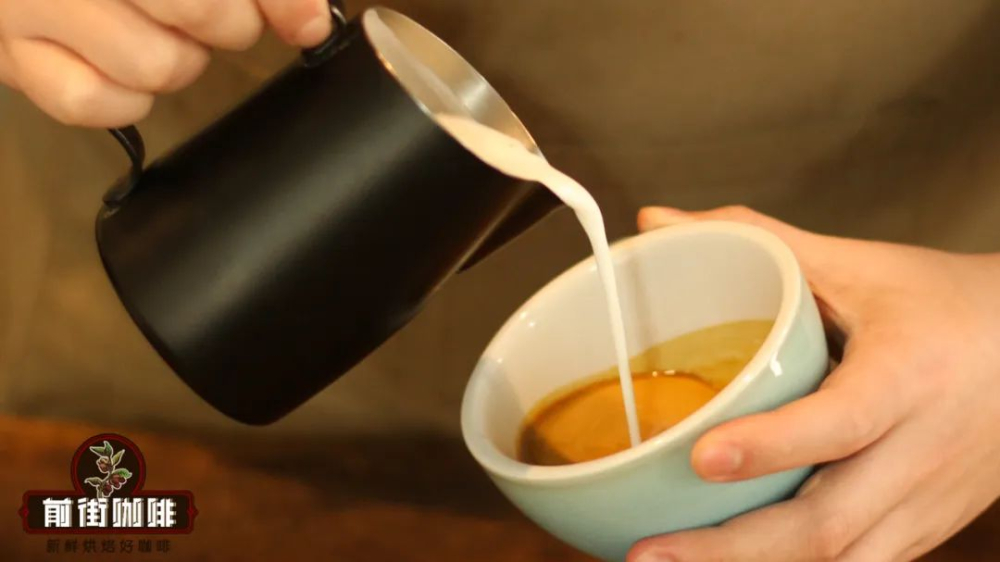
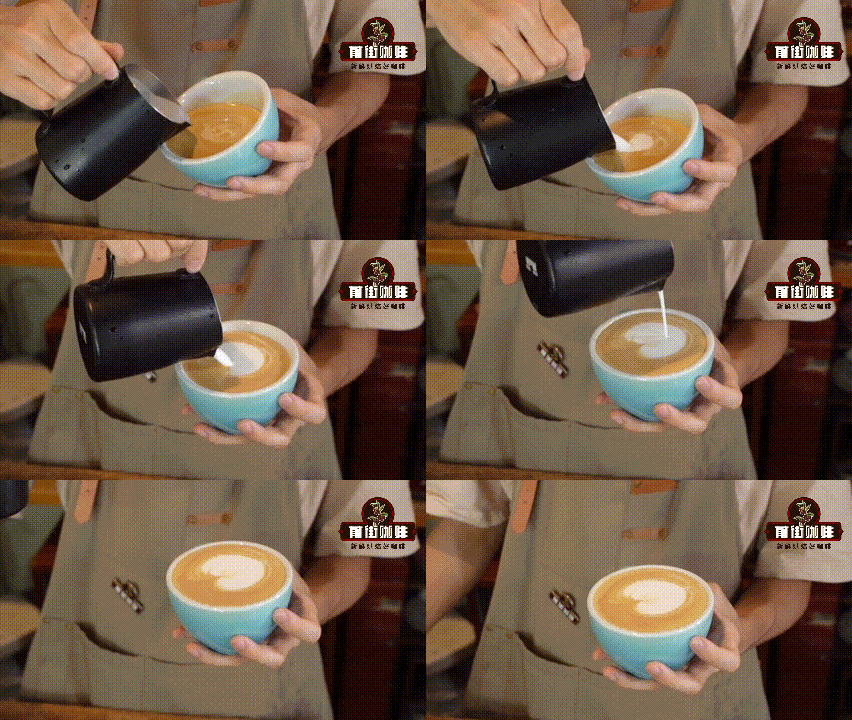
Once everything is ready, you can begin pouring. Tilt the pitcher at about a 10 to 15-degree angle, letting the milk flow steadily from the bottom of the spout. Start with a thin, focused stream, gently integrating the espresso and milk to form a gradient base. At the same time, tilt the cup slightly—about 15 degrees—to guide the milk naturally to one side.

When you’ve reached the right point of integration, start adjusting the pitcher angle and flow rate to begin drawing the heart. Slightly raise the pitcher to slow the milk flow, then use slight wrist movements to create a small dot in the center of the liquid surface. Gradually extend outward on both sides to form the outline of a heart. This step requires steady hand control and precise flow regulation—pouring too fast or too slow can distort the pattern.
The essence of the heart lies in its streamlined shape—narrower in the middle with rounded ends. Once the shape is roughly formed, you can gently shake the pitcher to refine the curves, making them more natural. Finally, lift the pitcher to finish the pour, ensuring the design is clear and well-layered.
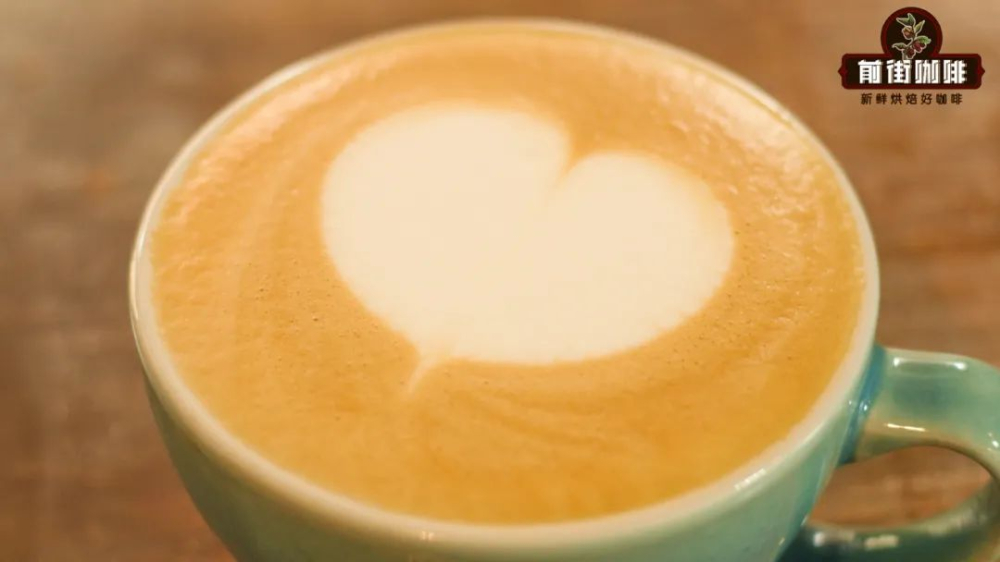
Common mistakes during practice include overly coarse foam, unstable flow rate, or incorrect cup angle—all of which can lead to blurry or incomplete patterns. Beginners are advised to practice with a training pitcher and water to get familiar with fluid control before attempting real pours, which can significantly boost success rates.
Additionally, the clarity of the pattern is closely related to how well the milk and espresso integrate. Before pouring, ensure the milk and coffee are fully mixed to achieve strong color contrast and sharp outlines. If the design tends to break apart, it may be due to coarse foam or insufficient integration time—adjust your frothing and pouring methods accordingly.
To make learning latte art smoother, it’s best to use stable beans and fresh milk. Choose medium-to-dark roast beans with balanced flavor and rich crema for better visual results. Freshly delivered milk is ideal—the fat and protein ratio affects foam texture and pattern stability. Though these details may seem minor, they are crucial to the final outcome.
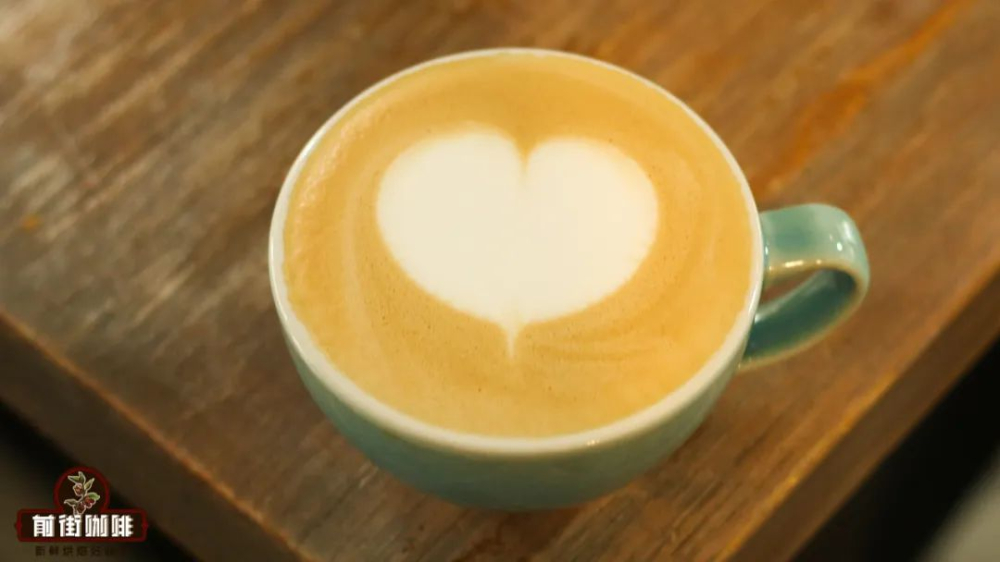
Lastly, latte art is a skill that combines technique and aesthetics, requiring continuous practice and refinement. Every attempt helps improve your control over flow rate, angle, and hand movement. Even if your early attempts aren’t perfect, don’t get discouraged. With consistent practice, you’ll gradually master this captivating coffee art and turn every latte into a feast for both the eyes and the palate.
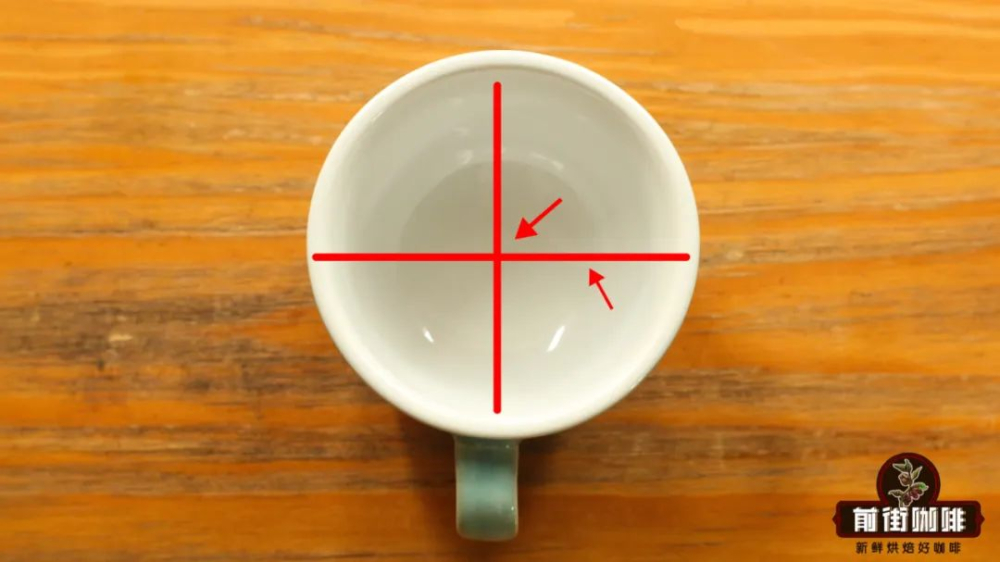
Whether you’re making coffee at home or aiming to stand out in a café career, learning latte art is a worthwhile investment. With the five key techniques and practical tips in this guide, you’re sure to gradually create your own perfect white heart latte art designs.
The above content is compiled by CoffeeHunters, a coffee news website.


