








Introduction:Canadian coffee brand Tims is celebrating its sixth anniversary in the Chinese market by launching a limited-edition ceramic cup giveaway campaign. While the minimalist-designed commemorative cups initially attracted fans eager to snap them up, actual users have reported frequent issues such as vertical bumps on the cup body and overly tight silicone lids. This article delves into the controversial details—from design concepts to user experience—exploring areas for improvement in the brand’s merchandise quality control and offering practical tips for properly using the silicone lids.
The Canadian coffee chain brand Tims, which has been deeply rooted in the Chinese market for five years, recently reached the significant milestone of its sixtieth anniversary. To celebrate this special occasion, Tims launched a one-and-a-half-month promotional campaign, not only offering a “9.9 yuan every week” discount benefit but also providing free sixty-anniversary-themed ceramic cups with the purchase of specified meal sets, quickly drawing consumer attention.
This limited-edition ceramic cup set includes three designs, all centered around a minimalist and elegant style, complemented by the special significance of the sixtieth anniversary, successfully capturing the attention of many loyal Tims customers. After the campaign went live, numerous fans were won over by the cups’ aesthetics and placed orders in support, eagerly anticipating receiving these commemorative brand gifts full of sentimental value.

However, as the first batch of consumers began receiving their physical cups, numerous user feedback started emerging on social platforms. Some users pointed out that the ceramic cup bodies had noticeable vertical bumps, creating an uneven texture and affecting overall visual appeal. Many netizens also reported issues with the included silicone lids, such as being too tight to fit properly or becoming impossible to reattach after removal, significantly hindering daily usability.
Regarding the controversy over the cup body bumps, Tims officials explained that this was an intentional design homage mimicking the seam lines of traditional paper coffee cups, aiming to pay tribute to classic paper cups through this detail. Nevertheless, this design concept failed to gain the approval of most consumers. Many users stated that instead of appreciating any design highlight, they found the bumps detracted from the cup’s overall texture, with some even mistaking them for product defects.
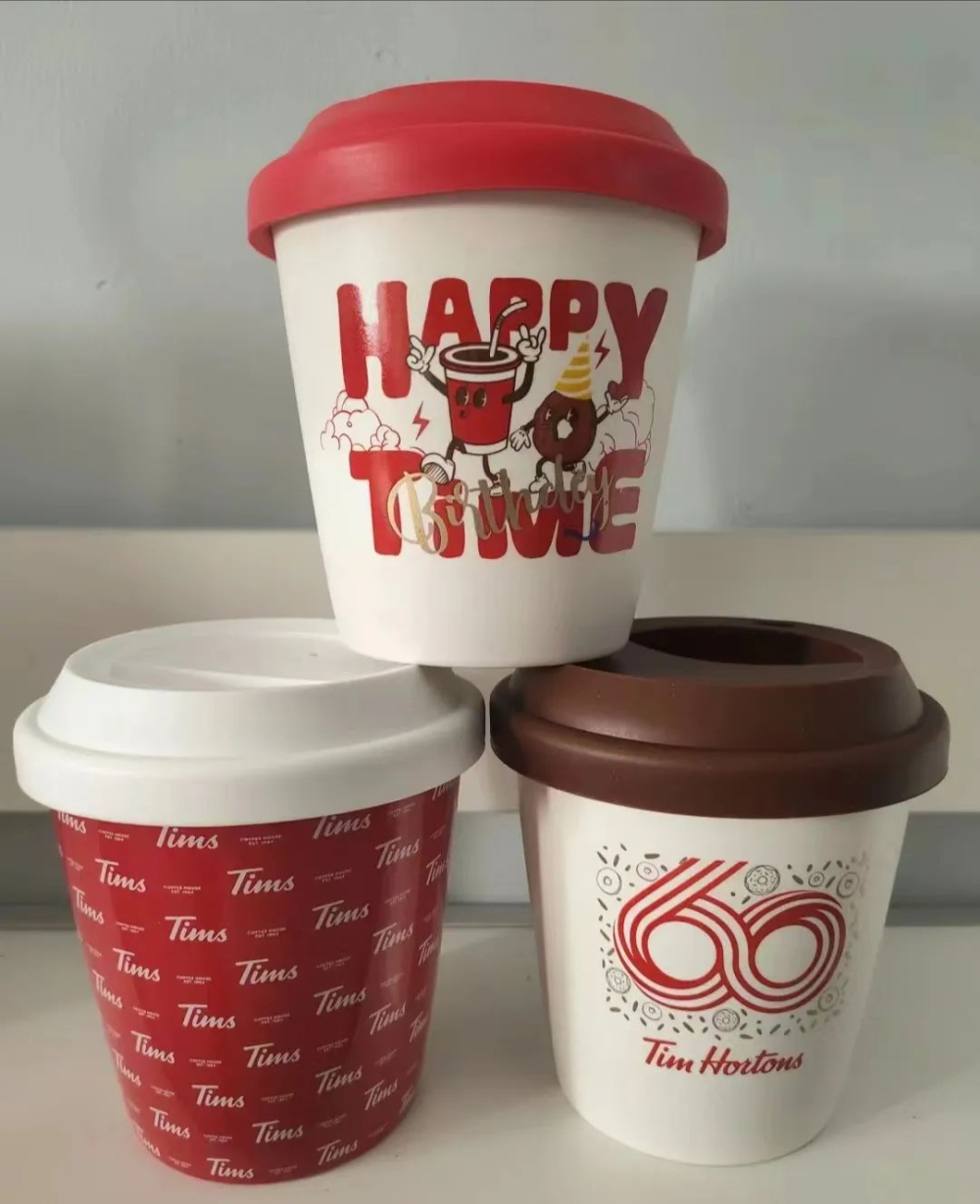
In addition to the cup body design controversy, the accompanying silicone lids also became a focal point of user complaints. Multiple consumers reported that the lids were made of overly soft material with an excessively tight seal, often proving difficult to fit during initial use, and once removed, could not be easily reattached. Although the official recommendation was to gently stretch the lid before use to adjust it, the actual results remained unsatisfactory, with some users stating that multiple attempts still failed to resolve the usability issue.
Notably, Tims China’s Chief Executive Officer, Lucien Lo, has publicly emphasized that the brand will continue to focus on user needs and drive comprehensive upgrades in both products and services. However, judging from the market feedback on these sixty-anniversary commemorative items, Tims still has significant room for improvement in the quality control of its merchandise and the optimization of user experience.
For consumers interested in collecting branded memorabilia, it is advised to carefully inspect the flatness of the cup body and the smoothness of the lid’s opening and closing mechanisms upon receipt. If encountering an overly tight silicone lid, users can try soaking it in warm water for a few minutes to soften the material or applying a small amount of cooking oil to the rim of the cup to reduce friction—these small tricks can effectively improve the user experience.
The above content is compiled by CoffeeHunters, a coffee news website.


