







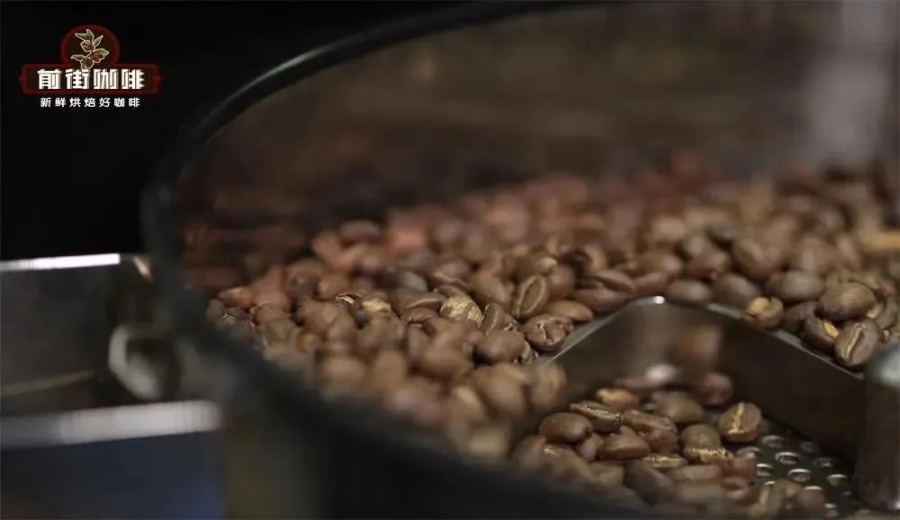
Introduction:Many coffee enthusiasts, when tasting coffee, pay attention to the color and aroma of the beans, but often have only a superficial understanding of the chemical reactions behind them. The Maillard reaction and caramelization are frequently confused, yet they play distinct roles in the coffee roasting process. This article will delve into the principles, stages, and combined effects of these two reactions on the color, aroma, and flavor of coffee, helping you better understand every cup in your hand.
In contemporary design and fashion trends, the Maillard color palette has become a popular topic. The warm visual style composed of caramel, khaki, and dark brown tones is widely loved by the public. Interestingly, the naming of this color scheme actually originates from an important chemical reaction in food science—the Maillard reaction. However, for coffee lovers, a more intriguing question is: what role does this seemingly sophisticated term play in coffee roasting? And how does it differ from caramelization?
First, we need to clarify a common misconception: although the Maillard color palette and the Maillard reaction share the same term, they belong to entirely different fields. The former refers to a set of warm hues used in visual design, commonly seen in fashion, interior design, and photography, giving off a stable and approachable visual impression; the latter is a series of non-enzymatic browning reactions between amino acids and reducing sugars under heat, representing a highly significant chemical change in food science. These reactions not only give food its attractive brown appearance but also generate a variety of volatile compounds that influence aroma and flavor.
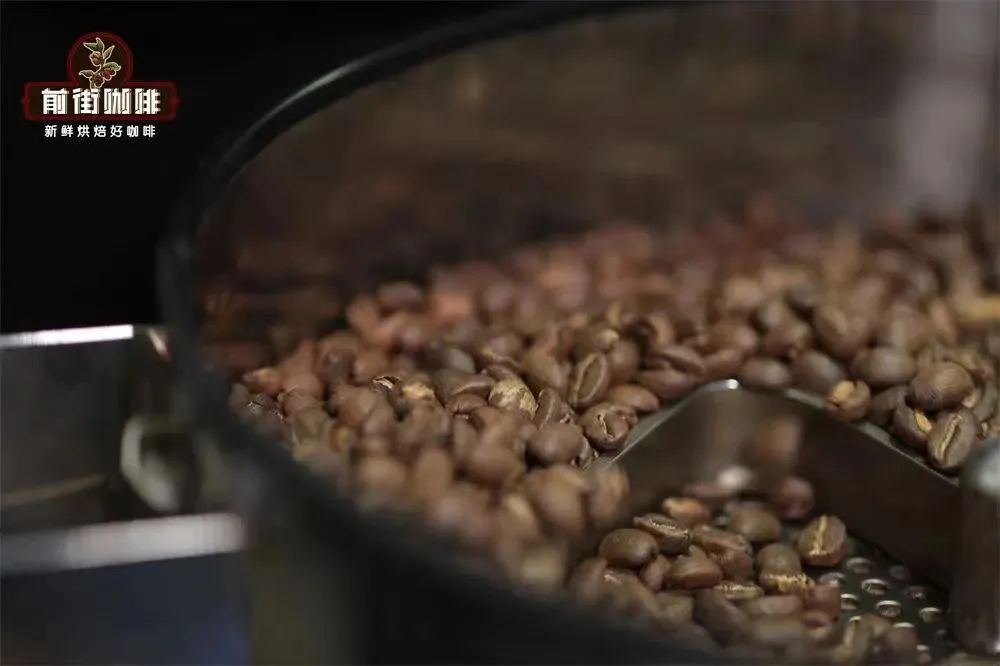
Focusing on coffee roasting, the Maillard reaction typically occurs when the bean temperature rises to around 140°C to 160°C. At this stage, amino acids and sugars in the green beans begin to react, producing a large amount of aromatic compounds and dark pigments, which play a key role in shaping the flavor of the coffee. This process is also referred to in the industry as the "Maillard stage," serving as the foundation for developing floral, fruity, nutty, cocoa-like, and even caramel notes in coffee. Roasters carefully adjust the heat and air vent settings to precisely control this stage, thereby determining the final flavor profile.
It’s worth noting that many people tend to confuse caramelization with the Maillard reaction, but the two are actually quite different. Caramelization refers to the process where sugars decompose solely due to high heat in the absence of amino acids, typically becoming significant at temperatures above 160°C. This reaction mainly produces sweet, creamy, and mildly bitter flavors, which are distinctly different from the roasted, meaty, and nutty characteristics brought by the Maillard reaction.
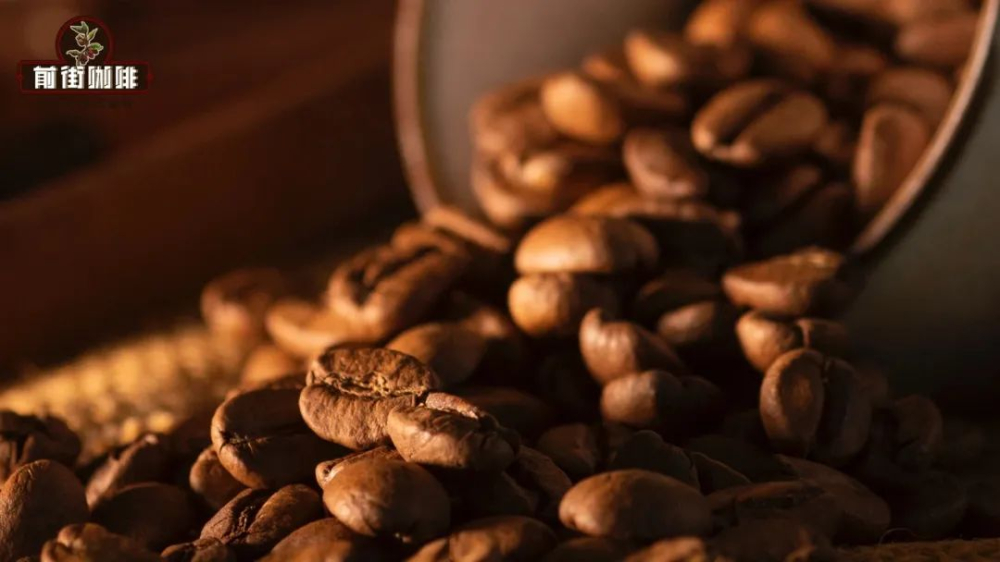
In actual roasting practice, the Maillard reaction and caramelization often occur simultaneously, though they are active within different temperature ranges and contribute differently to the overall flavor. For medium to light roasts, the products of the Maillard reaction are more prominent, often resulting in bright floral and fruity notes along with rich acidity. In contrast, darker roasts, due to prolonged heating, exhibit more pronounced caramelization, leading to flavors that lean toward intense caramel, dark chocolate, and roasted nuts.
From a practical perspective, understanding these two reactions can also aid in daily brewing and bean selection. For example, those who prefer a refreshing taste might opt for medium to light roasted beans, which emphasize the aromatic features of the Maillard reaction. Meanwhile, those who enjoy bold and robust flavors might consider darker roasts, where caramelization plays a more dominant role. Additionally, many professional roasters adjust their roasting profiles based on the characteristics of different beans, balancing the contributions of both reactions to achieve the desired levels of sweetness, acidity, and body.

In summary, although both the Maillard reaction and caramelization profoundly impact the color and flavor of coffee, their chemical nature, conditions of occurrence, and final contributions differ. The Maillard reaction emphasizes the complex interaction between amino acids and sugars, serving as one of the primary sources of flavor and aroma. Caramelization, on the other hand, involves the high-temperature transformation of sugars alone, adding sweetness and depth. Together, they complement each other during the roasting process, collectively shaping the unique personality of each cup of coffee.
The next time you hold a cup of coffee, observe its varying shades of color, and savor its layered aromas, take a moment to appreciate the intricate workings of these chemical reactions behind the scenes. Even as an everyday coffee drinker, understanding these basic principles can help you make more personalized choices when selecting beans or adjusting your brewing methods.

The above content is compiled by CoffeeHunters, a coffee news website.


