







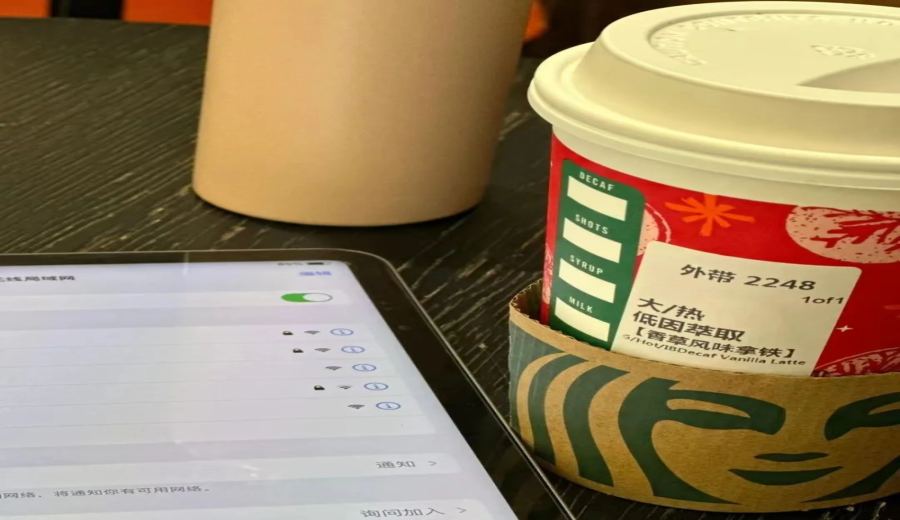
Introduction:Many caffeine-sensitive individuals rely on decaffeinated coffee to enjoy flavor while avoiding sleep disruption. However, recently, several Starbucks stores have removed the decaf espresso option from their newly launched espresso-based drinks, leaving customers wanting the new items with no choice but to select from fixed classic options. What’s behind this change? It turns out to be closely related to the rollout of blonde roast beans and the bean hopper configuration in store espresso machines. This article will delve into the reasons behind the adjustment, identify which stores still offer decaf versions of the new drinks, and provide practical advice.
For many consumers who need to stay alert during busy workdays but are sensitive to caffeine, decaf coffee offers the best of both worlds—allowing them to savor coffee aromas while reducing the risk of sleep disturbance. As a globally renowned chain, Starbucks has long been the go-to choice for such customers, thanks to its diverse product range and convenient decaf selection feature.
In the past, when ordering espresso-based drinks like lattes or cappuccinos through Starbucks’ mobile ordering platform “Faster,” customers could simply check the “decaf espresso” option under “espresso” to easily enjoy a coffee-flavored drink with lower caffeine content. Recently, however, many customers have noticed that the new drink series at numerous domestic stores has quietly dropped the decaf option—even selecting “decaf espresso” in the ordering system no longer allows the order to go through.
Currently, if you want to order decaf coffee, you can only choose from nine classic products, such as Caramel Macchiato or Vanilla Latte. Other newly launched or seasonal espresso-based drinks no longer offer a decaf espresso version, leaving many decaf coffee drinkers confused or even disappointed.
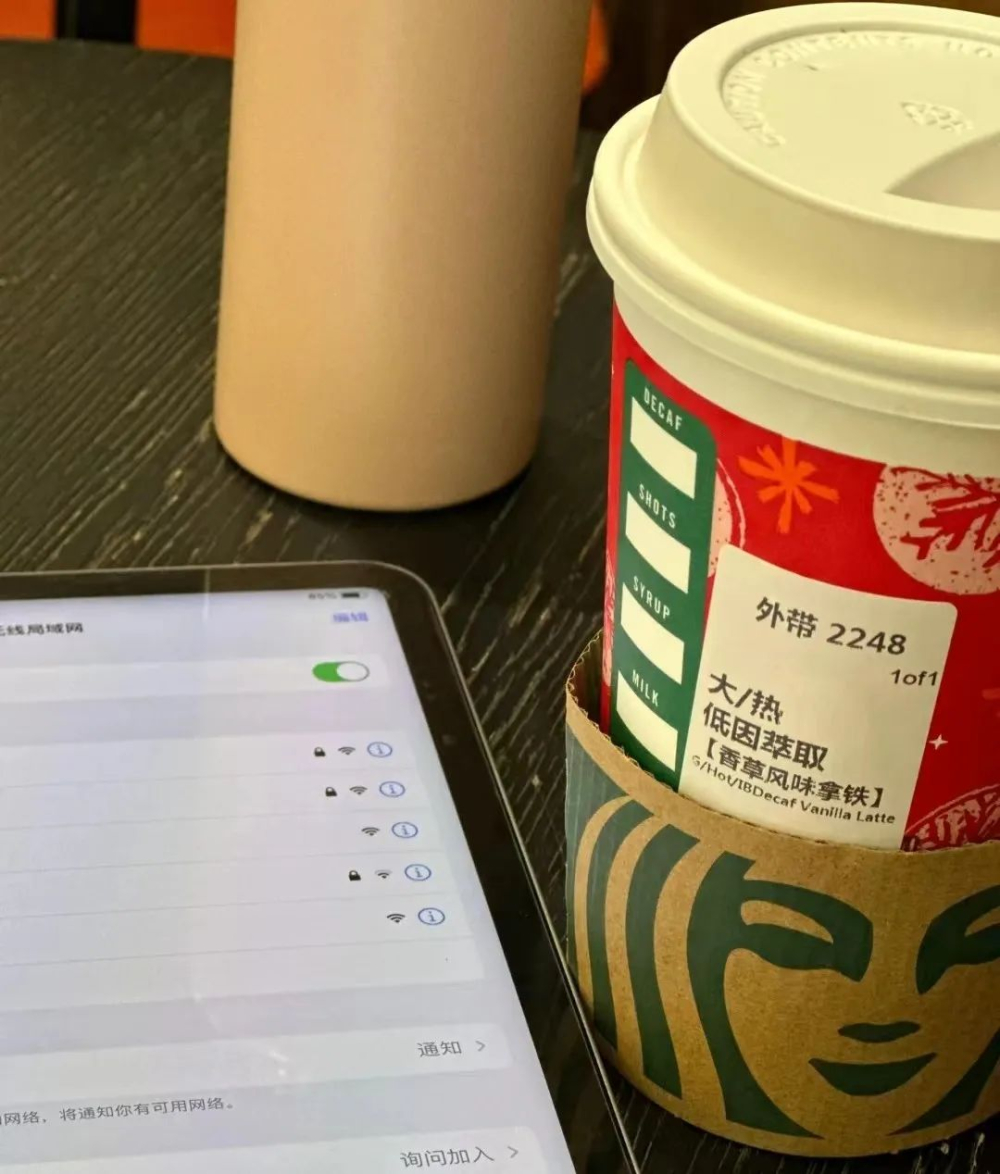
Regarding this change, an insider familiar with Starbucks’ internal operations revealed that one of the main reasons is the brand-new blonde roast beans launched two months ago. Since most stores are equipped with only a single espresso machine—and the machine’s bean hopper design can only accommodate two types of coffee beans—the hopper previously reserved for decaf beans has been replaced by the newly launched blonde roast beans after their release.
In this situation, if customers still wish to enjoy a decaf version of the new drinks, it can only be made using pre-extracted decaf espresso, though supply may be limited. It’s worth noting that not all stores are unable to offer decaf versions of the new drinks. For example, Starbucks Reserve stores, or stores equipped with newer multi-hopper, dual-espresso-machine models, can usually hold three different types of coffee beans and thus can still normally provide decaf versions of the new drinks.
But for the average consumer, if you want to enjoy a coffee that features the latest roasting profiles while also meeting your decaf needs, it’s recommended to first check the equipment configuration and supply status of nearby stores via the official Starbucks app, or call ahead to ask whether decaf espresso is available—this helps avoid the awkward situation of finding out you can’t order it once you’re at the store.
In summary, this adjustment to the availability of decaf options at Starbucks is mainly due to the introduction of blonde roast beans and hardware limitations of the store espresso machines. While the classic decaf options remain fully available, the decaf choices for the new drink series depend on the specific store setup. For caffeine-sensitive customers who don’t want to miss out on the new offerings, it’s a good idea to use online tools to check in advance or opt for stores with multi-hopper support to enjoy more flexible options.
The above content is compiled by CoffeeHunters, a coffee news website.


