







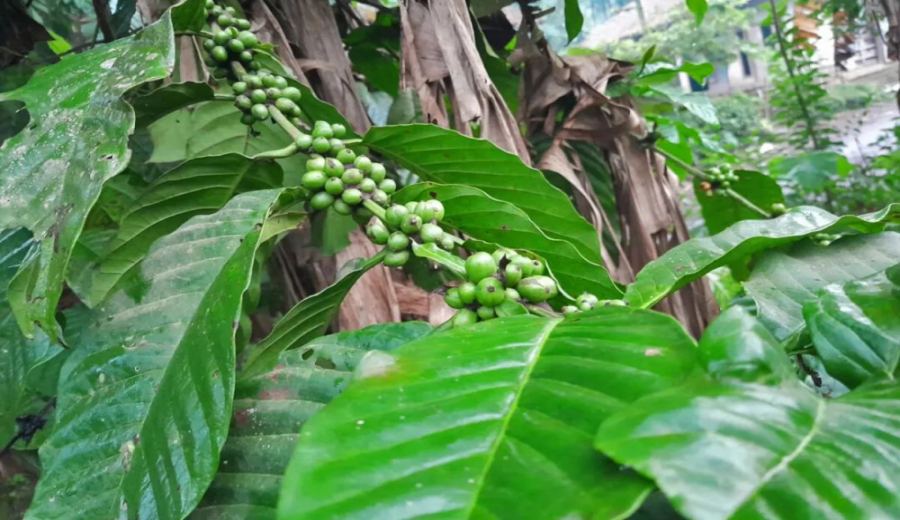
Introduction:As the world’s fourth-largest coffee-producing country, Indonesia is being battered by the extreme weather of both La Niña and El Niño, leading to intensified pest and disease outbreaks among coffee trees and a sharp decline in production. This season, output is feared to fall below 10 million 60kg bags—a more than ten-year low. This article delves into how the climate crisis is devastating low-altitude smallholder farmers, examines the challenges facing production recovery, and explores concerns that suitable land for coffee cultivation may shrink in the future, offering insight into the hidden risks behind the global coffee supply chain.
As the world’s fourth-ranked coffee producer, Indonesia is facing severe tests brought on by climate change. Caught between the prolonged heavy rains brought by La Niña and the intense drought triggered by El Niño, the country’s major coffee-growing regions have suffered unprecedented damage—not only has coffee flowering been hindered and leaves withered prematurely, but pests and diseases have also flourished, posing serious threats to the health of coffee trees.
The industry estimates that this season Indonesia’s overall coffee production may drop to less than 10 million bags (each bag weighing 60kg), marking the lowest level in over a decade. Small-scale farmers in low-altitude areas have been hit the hardest, with some even facing the prospect of no harvest at all this season. Meanwhile, with rice prices soaring, the government is actively encouraging farmers to switch to growing paddy, slowing the pace of coffee tree renewal and further delaying production recovery.
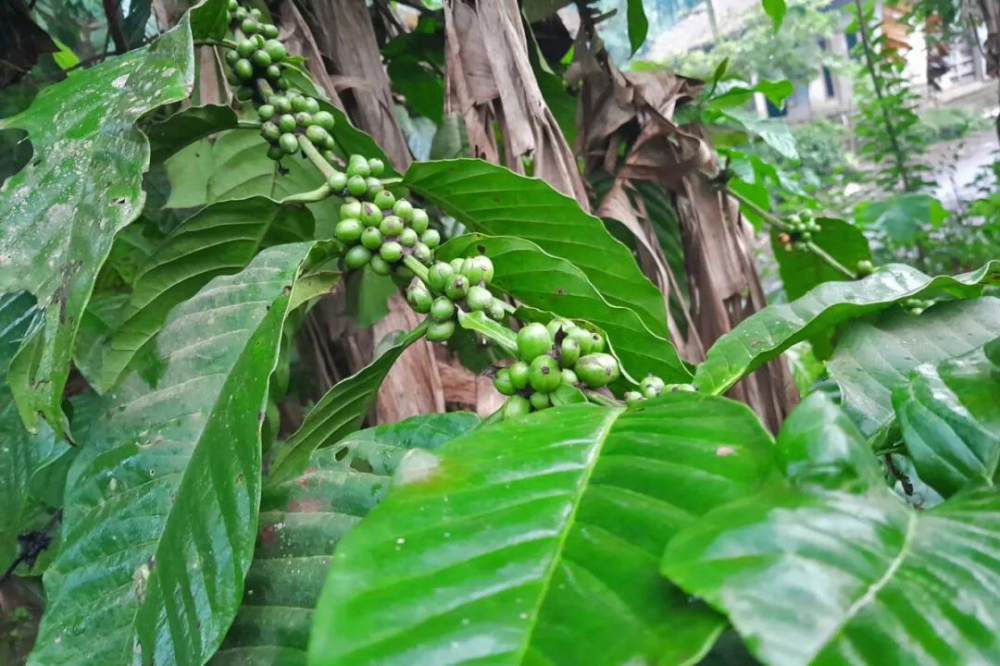
According to official Indonesian data, the country’s coffee production has long lagged behind that of peer producers like Brazil, Vietnam, and Colombia. In addition to needing improvements in production efficiency, the increasing frequency of extreme weather in recent years has worsened the situation. For example, in East Java Province, prolonged water shortages not only affect the nutrient accumulation in coffee cherries but also create favorable conditions for pests and diseases, resulting in a significant decline in yield per unit area.
With extreme weather becoming increasingly frequent, smallholder farmers in Indonesia’s lowland regions are under unprecedented survival pressure. Industry insiders predict that this season’s overall production decline could exceed 20%. A grower from the hilly areas of eastern Java shared that in normal weather years, a single coffee plantation could yield around 2.5 metric tons of beans per season, but this year it’s difficult to even reach 1 ton.
Looking back at 2020 to 2022, Indonesia was affected by the La Niña phenomenon, experiencing consecutive years of abnormally heavy rainfall. The prolonged downpours often washed away coffee flowers before they could be pollinated and bear fruit, severely impacting the flowering and fruit-setting rates of those seasons. Then, as the climate pattern shifted to El Niño, 2023 faced severe drought, with persistent high temperatures and water shortages stalling coffee flower development and causing leaves to gradually wither due to rapid transpiration.
Notably, despite the disruptions caused by two consecutive years of extreme weather, Indonesia maintained a total coffee output of nearly 12 million bags in the 2022 and 2023 seasons. However, as the El Niño phenomenon continues to intensify and brings high temperatures to low-lying coffee plantations, the total output for 2024 is estimated to plummet to below 10 million bags—potentially the lowest in over a decade.
The impact of extreme weather is not limited to coffee harvests but has also triggered a series of chain reactions. Due to drought-induced food supply tensions, rice prices in Indonesia have been rising steadily. To stabilize essential goods, the government is actively encouraging farmers to expand rice cultivation. At the same time, many coffee trees that died due to harsh weather cannot recover on their own and must be replanted. However, official statistics show that in recent years, the proportion of farmers actually replanting coffee trees has been extremely low, which is a major obstacle to production recovery.
Research indicates that if climate change continues to worsen, the area of land in Indonesia suitable for coffee cultivation could shrink by 21% to 37%, posing a serious challenge to the future layout of the coffee industry. Although Indonesia has a population of over 276 million, its coffee farmers’ production efficiency lags significantly behind that of neighboring Vietnam, whose total coffee output is nearly three times that of Indonesia. Many local coffee growers report insufficient government support in terms of financial subsidies, technical assistance, and fertilizer aid, while high fertilizer prices further exacerbate production difficulties.
It is worth noting that experts from Indonesia’s Coffee and Cocoa Research Institute point out that El Niño may have certain positive effects on higher-altitude coffee-growing regions—for instance, promoting sugar accumulation and flavor concentration in coffee beans. However, for low-altitude coffee plantations and surrounding forest ecosystems, continued high temperatures and water shortages could cause irreversible damage, severely affecting ecological balance and the stability of coffee quality. Indonesia’s national meteorological agency, BMKG, further predicts that this El Niño phenomenon will last at least until April 2024. Many coffee farmers are already worried that this year’s coffee harvest may be cut in half.
The above content is compiled by CoffeeHunters, a coffee news website.


