







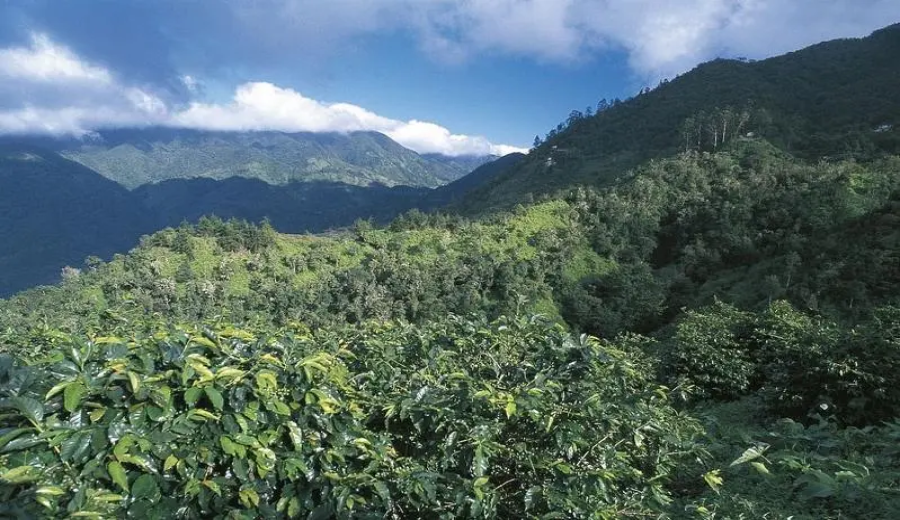
Introduction:Delve into how the Asali washing station in Kenya’s Thika region leverages the SL28 and SL34 varieties along with the traditional K72 washed process to craft top-tier coffees with bright acidity and complex layers. From the history of varietal development to actual brewing performance, this article offers a comprehensive analysis of this internationally acclaimed Kenyan AA TOP-grade coffee bean, including expert parameters and practical extraction recommendations.
As one of Africa’s representative specialty coffee regions, Kenya benefits from its unique geographical conditions—straddling the equator, featuring high altitudes, and blessed with fertile volcanic soils—that nurture distinctive coffee beans. Among them, the Asali washing station in the Thika region stands out by using the SL28 and SL34 varieties combined with Kenya’s signature K72 washed process to produce premium coffees with bright acidity, clean profiles, and layered complexity.
Located in East Africa, Kenya is traversed by the equator in its central region, with the East African Rift Valley running from north to south. Much of the country consists of highland plateaus around 1,500 meters above sea level, including Mount Kenya, which rises to 5,199 meters. The climate is tropical monsoonal, with humid coasts and mild highlands, and an average annual temperature ranging between 12–26°C. These environmental conditions, coupled with mineral-rich volcanic soils, provide ideal settings for cultivating high-quality coffee.
Kenya’s coffee-growing regions are primarily located in the southwest, encompassing fourteen major zones: Bungoma, Embu, Kiambu, Kirinyaga, Kisii, Machakos, Meru, Elgeyo-Marakwet, Murang’a, Nakuru, Nyeri, Thika, Taita-Taveta, and Trans-Nzoia. Among these, Nyeri, Kirinyaga, Murang’a, Kirinyaga, and Thika are renowned for producing exceptionally high-quality coffee.
Although Thika is an industrial town, it is surrounded by agricultural areas and waterfall landscapes, with around 2,000 coffee farmers cultivating the land. The region mainly grows varieties such as SL28, SL34, Ruiru 11, and Bourbon, among which the Asali washing station (Asali means “honey” in Swahili) excels in washed processing and serves as a key representative of the Thika region.
When discussing the unique flavors of Kenyan coffee, one cannot overlook the two classic varieties: SL28 and SL34. The breeding of these varieties dates back to the late 1930s, when the Kenyan government commissioned the former Scott Agricultural Laboratories (now the Kenya Agricultural & Livestock Research Organization) to screen 42 varieties for suitability to local conditions, focusing on yield, quality, and resilience. The “SL” stands for Scott Laboratories, and SL28 and SL34 are key outcomes of this initiative. Though these varieties are relatively less resistant to disease, their flavor performance is outstanding.
Genetic analysis shows that SL28 originates from the Bourbon variety, while SL34 comes from Typica. Both exhibit rich acidity and excellent sweetness in flavor, with SL28 typically presenting a fuller body, higher clarity, and distinctly layered acidity, often featuring notes of citrus, berries, and tea.
The most well-known processing method for Kenyan coffee is undoubtedly the K72 washed process.The core of this technique lies in prolonged low-temperature fermentation.: After harvesting ripe cherries, farmers first conduct rigorous sorting to remove defective beans. The coffee fruits are then depulped and placed in fermentation tanks for an initial 24-hour fermentation. Following this, they are washed to remove some mucilage, then soaked again for a second 24-hour fermentation. This process is repeated three times, totaling 72 hours of fermentation—hence the name K72. This method allows for the full extraction of acidity and aroma from the beans in a low-temperature environment, while maintaining a clean and bright cup profile.
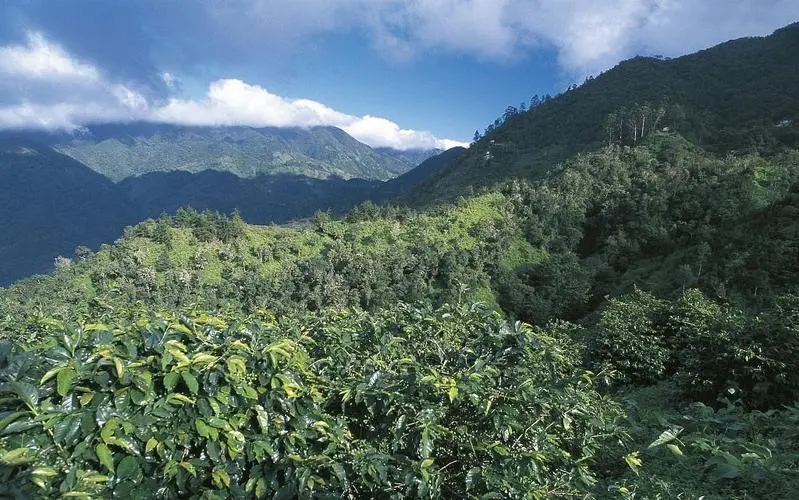
The Kenya Asali AA TOP coffee bean we’re introducing is a prime example of this processing method. Grown in the Thika region at elevations between 1,550 and 1,750 meters, it is meticulously processed by the Asali washing station using the K72 washed method, with the classic SL28 and SL34 varieties.
Official parameters for this coffee bean indicate: Region – Thika, Washing Station – Asali, Elevation – 1,550–1,750m, Varieties – SL28 and SL34, Process – K72 Washed. In terms of flavor, it often presents delicate notes of cherry tomato, dark plum, berries, citrus, and green tea, with bright and layered acidity, prominent sweetness, and the clean cup profile typical of Kenyan coffee.
For brewing, a medium-light roast is recommended. Use a V60 filter with a 1:15 coffee-to-water ratio and water temperature controlled at 92°C. During brewing, you’ll first notice intense aromas of ripe tomato and floral notes. Upon tasting, the sweet-tart interplay of cherry tomato and dark plum combines with a juice-like mouthfeel, resulting in a balanced cup with a long finish—perfect for coffee enthusiasts who appreciate bright acidity and complex flavors.
The above content is compiled by CoffeeHunters, a coffee news website.


