







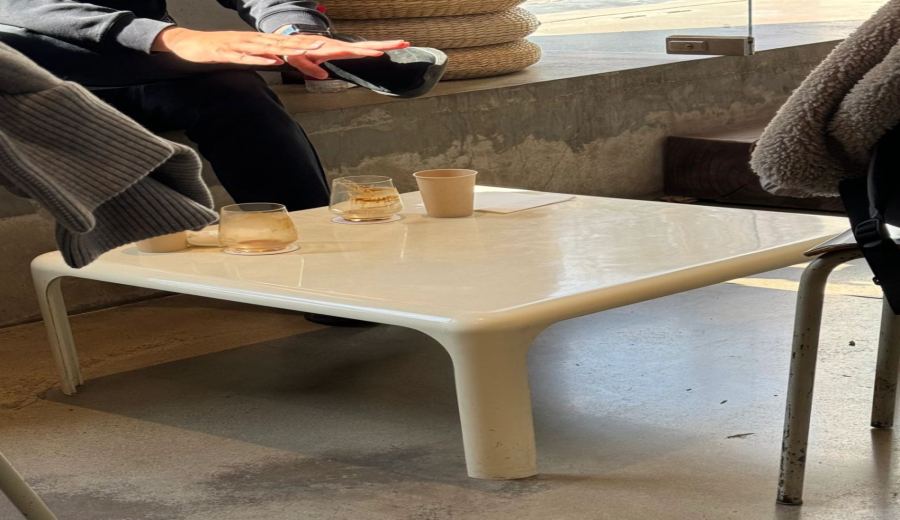
Introduction:In recent years, the camping aesthetic has permeated café interior design, with low tables and chairs becoming common elements. While such designs create a relaxed atmosphere, they have sparked debates over practicality: Do they affect the experience of customers who work or study for long periods? What business strategies lie behind these choices? This article delves into how different table and chair configurations influence customer behavior and offers selection advice.
As the camping trend sweeps through urban life, more and more cafés are incorporating foldable chairs and low wooden tables into their spaces. A common sight is several camping chairs gathered around a simple plastic table, seemingly crafting a sunny leisure corner, yet actually hiding functional contradictions. For customers accustomed to long hours of office work or reading, overly low seat heights can easily lead to lumbar pressure, and standing up often requires assistance due to sinking into soft cushions.
This phenomenon reflects differences in café positioning: some shops opt for concrete benches or mini low tables, originally intended to match industrial-style décor or save space, but potentially at the cost of comfort. Notably,the standard dining table height is about 75 centimeters, whereas common camping tables are only 45–55 centimeters, a difference that directly impacts users' posture and health.
Online discussions present polarized views. Supporters argue that slightly uncomfortable seating can effectively increase table turnover—studies show that for every 10% increase in seating comfort, the average dwell time extends by 18–22 minutes. Opponents contend that the price modern consumers pay includes the environmental experience,with approximately 35% of a coffee's cost allocated to spatial services, and thus cafés should balance the needs of diverse customer groups.
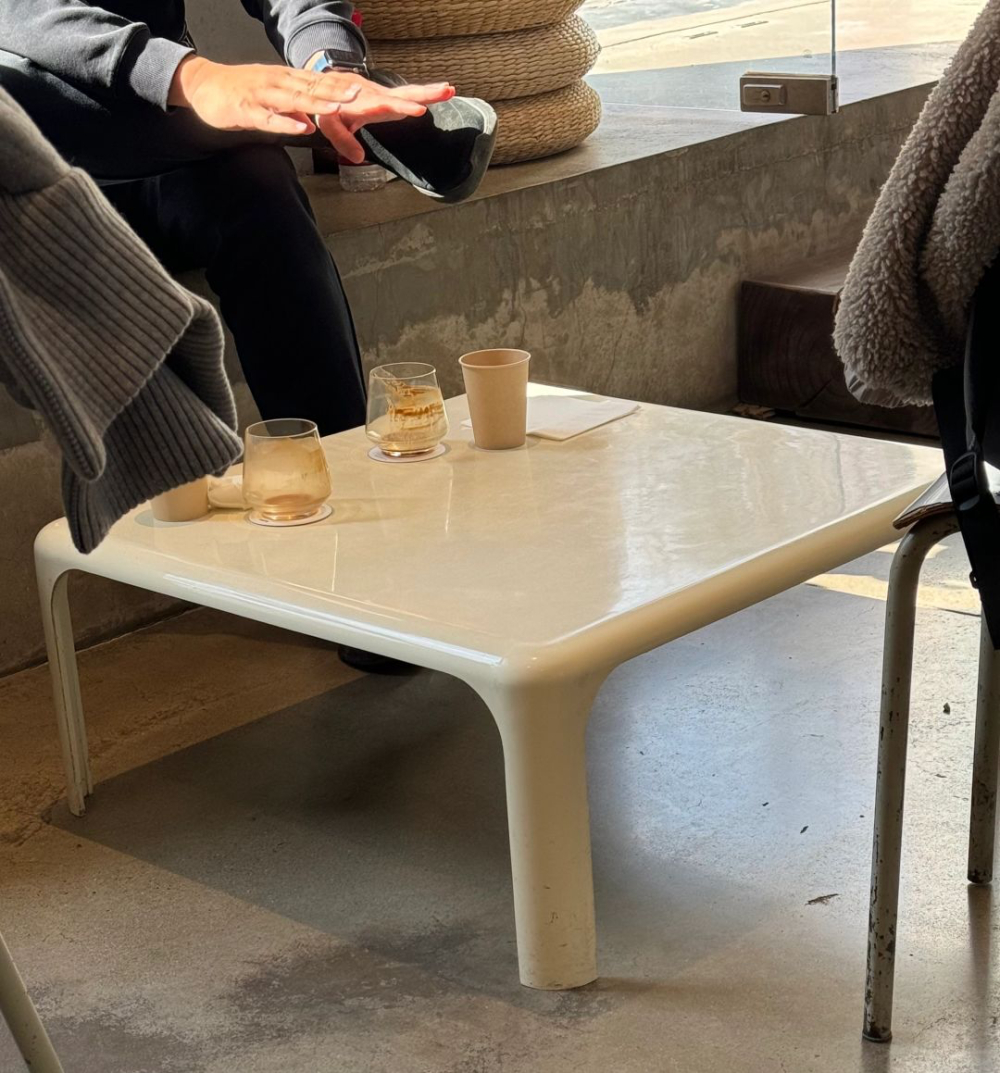
In practice, small venues often choose modular low-table systems because they occupy only 0.3–0.5 square meters and are easy to move. But operators should note:when the seat surface is 40–45 centimeters from the ground, it is advisable to pair it with a backrest cushion to alleviate lumbar strain. Observations suggest that a mixed configuration strategy—such as providing comfortable sofa areas by the window and placing low-table sets in corners—often achieves higher customer satisfaction.
For customers who frequently use laptops, it is recommended to prioritize booth areas with table heights above 70 centimeters. If only low tables are available, one may bring a thin cushion to adjust sitting posture or opt for a bar stool to maintain proper spinal alignment. Image source: Xiaohongshu
Ultimately, a café’s choice of tables and chairs is the embodiment of its operational philosophy—whether leaning toward efficient turnover or immersive experience, understanding the physiological needs and behavioral patterns of the target clientele is the key foundation of spatial planning.
The above content is compiled by CoffeeHunters, a coffee news website.


