







Introduction:Global Robusta coffee prices have surged to a 29-year high, driven by a confluence of factors. This article delves into the reasons behind the sharp price increase—including supply shortages, transportation challenges, and shifting consumer trends—and explores future trends and their impact on both blends and single-origin coffees, helping you stay ahead of the latest market developments.
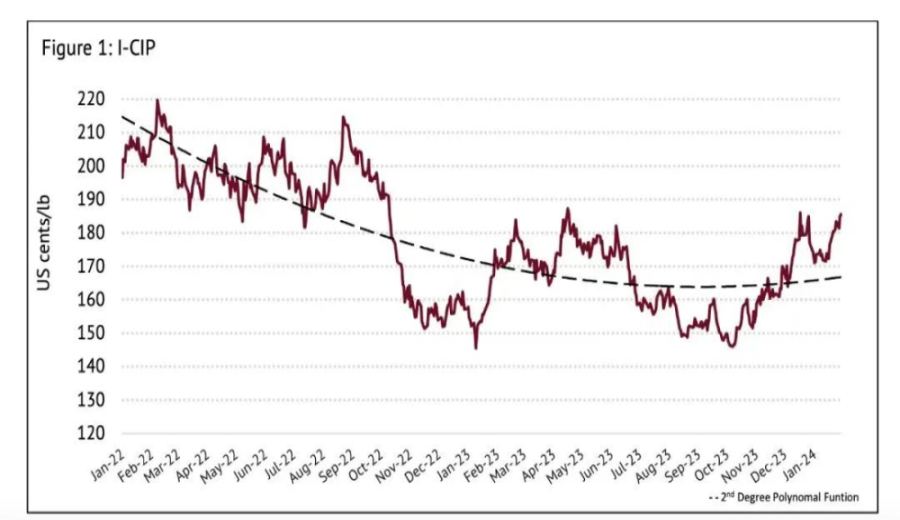
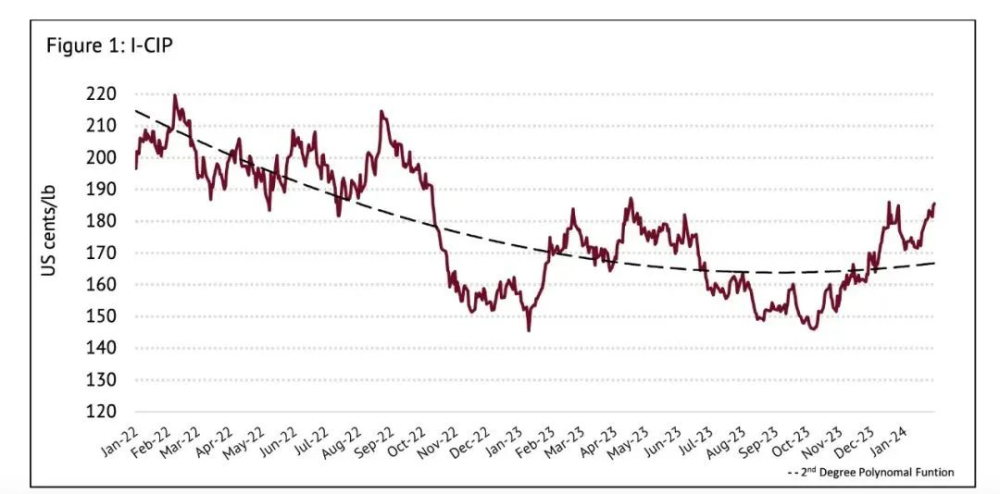
According to international market observations, Robusta coffee prices have recently breached a 29-year historical high, primarily due to steadily rising global demand, bottlenecks in supply, and ongoing disruptions in the transportation chain. Moreover, the purchase prices in Brazil and Vietnam—the two major producing regions—have also climbed in tandem, reflecting an overall tight supply-demand imbalance in the market.
Since 2021, due to a shortage of shipping containers, Robusta prices have already begun to rebound and accelerated further in 2023. Data from June 2023 showed that its international average price had risen by 7.8% to 132.12 US cents per pound, and by early 2024, prices continued to climb week after week, eventually reaching a nearly three-decade high.
Specifically, the performance of local markets in major producing countries has been equally notable. For example, in Brazil, the average price per 60-kilogram bag of Robusta coffee beans has reached 802.67 Brazilian reais, approximately 160 US dollars—a level strongly driven by strong demand from international buyers. In Vietnam, the quoted price for green beans from the Central Highlands has hovered between 77–79 million Vietnamese dong per ton, even briefly spiking to 80–81 million dong, indicating extreme tightness in supply.
Experts analyze that, unless there is a significant improvement in the supply-demand structure, Robusta prices are unlikely to retreat in the short term, with high-price consolidation likely to become the norm.This trend is not only influenced by basic market supply-demand dynamics but is also tied to the growing popularity of blended coffee.In recent years, the proportion of Robusta in blend formulations has gradually increased—not only because of its lower cost but also due to its recognized ability to stabilize flavor profiles and enhance intensity.
Moreover, Robusta demonstrates better adaptability to climate change compared to Arabica, making it an important option for future expansion in many growing regions.The shipping crisis in the Red Sea has further exacerbated supply instability,particularly for containers shipped from Southeast Asian origins such as Vietnam and Indonesia to Europe. Extended transit times, higher insurance costs, and fierce competition for container availability have driven up overall logistics expenses, which in turn have pushed import landed prices even higher.
Additionally, droughts and extreme weather events have led to reduced yields in some Arabica-producing regions, indirectly boosting market demand for Robusta. With inventories remaining low and traders locking in supplies early, competition in the market has intensified, further driving up purchase prices. This phenomenon is particularly evident in Vietnam and Brazil, where farmers and exporters report a surge in recent inquiries and orders, but supply growth has lagged far behind.
Notably, Robusta—once considered a “budget bean”—is now gradually carving out a place in the specialty coffee market. In some international coffee competitions, creative blends based on Robusta have achieved impressive results. For example, Japanese competitor Takayuki Ishitani secured fourth place in the 2022 World Barista Championship (WBC) with an innovative blend of Robusta and anaerobically fermented Geisha, sparking widespread discussion within the industry.
As global climate challenges intensify, more coffee research institutions are beginning to focus on the potential of the Robusta variety. Compared to Arabica, Robusta exhibits greater tolerance to high temperatures, pests, diseases, and droughts, making it a key direction for future adjustments in planting strategies. Some traditional Arabica-growing countries, such as Nicaragua, have begun small-scale trials of Robusta and are exploring how breeding techniques can enhance its flavor profile.
The industry expects that, with varietal improvements and increasing consumer acceptance of blended coffee, Robusta’s market position will continue to strengthen in the coming years.And due to rising input costs and persistently high climate risks, its price is also unlikely to see a significant drop in the short term.For consumers and industry players alike, understanding the evolving role of Robusta in both blends and single-origin applications will help better grasp market trends and bean selection strategies.
The above content is compiled by CoffeeHunters, a coffee news website.


