








Introduction:When you're new to coffee, do terms on menus or packaging like By pass, Crema, or Geisha leave you puzzled? This article systematically organizes common terminology in the coffee field, covering key knowledge points such as varieties, green bean grading, processing methods, and sensory evaluation. It also includes practical details to help readers build a clear framework for understanding coffee and enhance their tasting and communication skills.
For beginner coffee enthusiasts, the dense array of technical terms on menus or packaging can be overwhelming. What do terms like By pass, Crema, Geisha, or Huákuí actually mean? To help everyone learn and communicate about coffee more smoothly, this section will delve into commonly used industry jargon, spanning diverse aspects such as coffee bean varieties, green bean grading, processing techniques, and sensory evaluation. Each term is accompanied by practical explanations to help you build a solid foundation in coffee knowledge.
Coffee Beans Section
Arabica is one of the three major coffee species and belongs to the small-bean category. It originates from Ethiopia. Interestingly, prior to the 18th century, due to this variety being monopolized by the Arab region for a long time, the outside world once mistakenly believed it originated from Arabia. Therefore, when botanist Linnaeus named it, he based the name “Coffea arabica L.” on the idea that it was native to Arabia. Had the true origin—Ethiopia—been known at the time, the naming might have been different.
Robusta is the medium-bean variety among the three and originates from the Congo Basin on the west coast of Africa, commonly referred to as “Luodou” (literally "robusta beans"). This variety is widely cultivated around the world due to its strong resistance to diseases and pests. However, its high caffeine content leads to relatively ordinary flavor performance, so it’s mostly used in commercial-grade beans, instant coffee, or freeze-dried coffee products.
G1, G2, and G3 are common green bean grade designations used in many coffee-growing regions. It’s important to note that these grades are not determined by flavor differences but by the number of defective beans. Specifically, within a 300-gram sample, the bean grade classification is decided based on the frequency of defective beans.
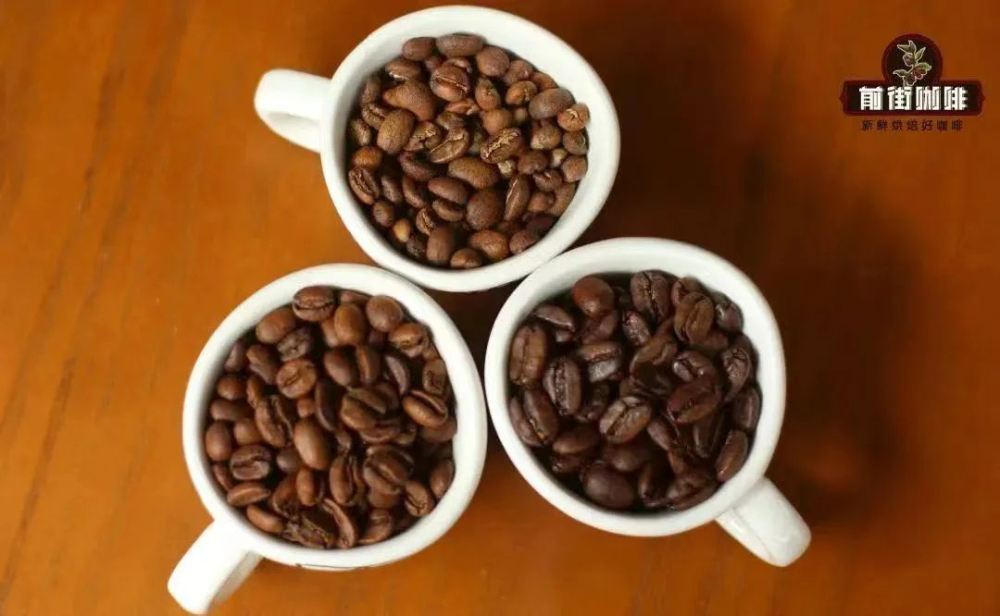
PB (Peaberry) refers to a uniquely shaped coffee bean. Normally, each coffee cherry contains two flat beans, but if the fruit lacks sufficient nutrition, it may produce only one round, dense, special bean. Because of its distinctive appearance, it is often sorted separately and sold at a higher price.
Processing refers to the post-harvest procedures applied to green coffee beans, with the core aim of removing non-bean impurities such as pulp and mucilage. This step not only affects the final purity of the coffee but is also crucial in shaping its flavor profile.
Geisha (also spelled Gesha) is arguably the crown jewel of the contemporary coffee world, renowned for its abundant floral and fruity aromas. Owing to its exceptional quality and fame, its market price has continued to rise. Currently, there are two main naming conventions: the Ethiopian growing regions often call it “Gesha,” while Central and South American regions such as Panama tend to use “Geisha.”
Huákuí is an heirloom variety originating from a remote area in Ethiopia. It once outperformed many Geisha varieties in an annual competition and won top honors. After being introduced to China, green bean traders gave it the elegant name “Huákuí” (referring to the top-tier performers among Japanese geisha), symbolizing its potential to become a premium bean variety comparable to Geisha.
The coffee belt refers to the specific geographic regions suitable for coffee cultivation, located between 25° south latitude and 25° north latitude. This zone offers ideal climatic conditions—free from frost and with abundant annual rainfall—providing a stable environment for coffee trees, hence earning the reputation as the “golden coffee belt.”
Heirloom (meaning “heirloom variety”) generally refers to the thousands of wild or traditional coffee varieties in Ethiopia that have not yet been scientifically classified. To prevent the theft of genetic material, the local government specifically uses this term. It’s worth noting that a bag labeled as containing heirloom beans may include a mix of several different varieties, which is why bean sizes often vary noticeably.
Coffee Sensory Evaluation Section
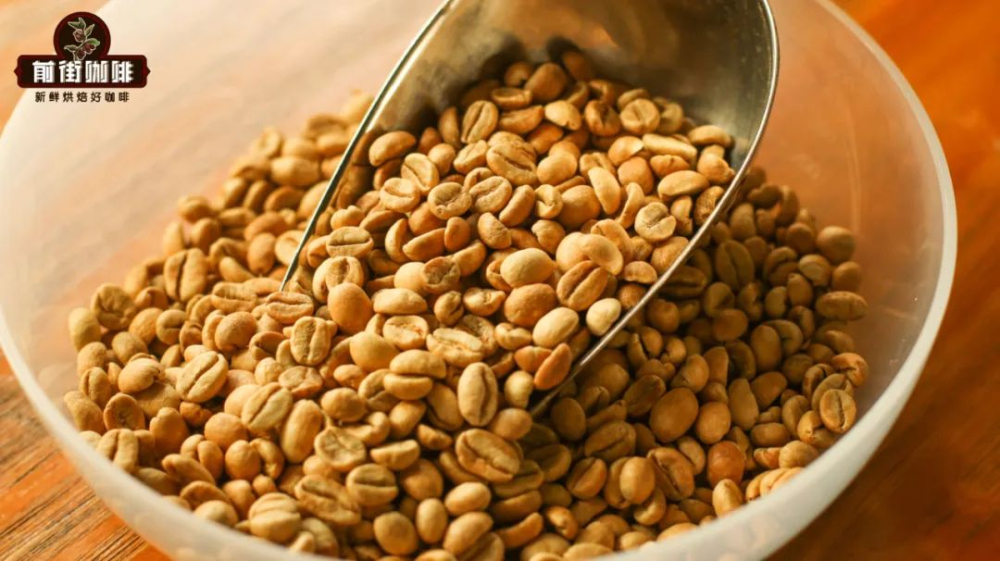
Cupping is a professional coffee tasting method that minimizes human interference during extraction to release the coffee’s original flavors, allowing tasters to intuitively perceive its authentic characteristics.
The slurping technique emphasizes quickly drawing coffee into the mouth with lips closed, atomizing it and rapidly cooling it down, which helps fully activate taste buds and olfactory senses to capture intricate flavor details.
Dry aroma refers to the fragrance released after grinding coffee beans, which is more vivid and distinct compared to unground beans.
Wet aroma is the complex fragrance released as coffee powder comes into contact with water and coffee liquid forms, containing more water-soluble aromatic compounds.
Flavor describes the specific food or plant aromas evoked in the mouth and nose during the drinking experience, such as citrus, caramel, or floral notes.
Aftertaste refers to the lingering aromas and taste sensations in the mouth after swallowing. High-quality coffee typically exhibits a long-lasting and pleasant aftertaste.
Body (or mouthfeel) reflects the “weight” or “thickness” sensation of coffee liquid in the mouth, ranging from light like water to thick like a milkshake, and is a vital component of the flavor profile.
Pour Over Coffee Section

This coffee physical location is situated at No. 10, Bǎo'ān Road, Yāndūn Road, Yuèxiù District, Guǎngzhōu City, Guǎngdōng Province, offering on-site tasting and technical exchange services.
The above content is compiled by CoffeeHunters, a coffee news website.


