







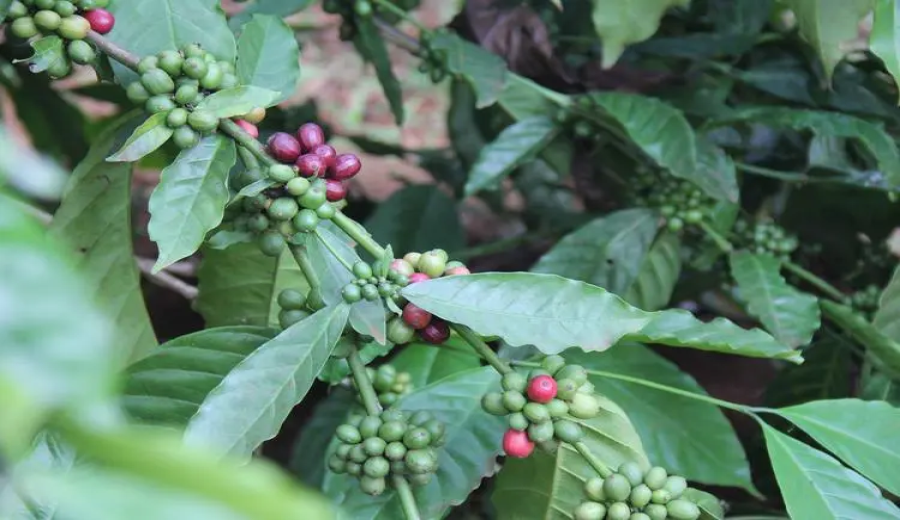
Introduction:Recent developments in the global coffee market have been making headlines: Vietnam’s January coffee exports hit a historic high, Brazil’s ample rainfall is raising expectations for the new season, and the Red Sea crisis is quietly reshaping trade flows. This article will delve into the latest production, export data, and price trends from multiple countries, helping you understand the supply-demand dynamics of both Arabica and Robusta, as well as the factors influencing your coffee purchasing decisions.
The global coffee market is undergoing a new round of adjustments, with production and export performances across major growing regions signaling clear trends. Despite facing drought challenges, Vietnam recorded a historic monthly record for coffee exports in January, showcasing remarkable market resilience. Brazil, on the other hand, is expected to see a rebound in production this year due to abundant rainfall in its key growing areas. Meanwhile, the trade crisis in the Red Sea has driven some buyers to turn to Brazil for Robusta beans, while Arabica prices have remained stable due to consistent supply from Central America. Colombia has also emerged as a bright spot in the Americas, with a notable increase in production.
According to the latest statistics, although Vietnam faced drought conditions, the country’s Ministry of Agriculture estimates that coffee production for the 2023/24 season will decline by 10%, totaling approximately 1.656 million metric tons. However, data from Vietnam’s General Statistics Office shows that coffee exports in January reached 238,266 metric tons—up 14.8% from December and 6% higher than the same period last year—setting a new monthly export record. This performance far exceeded the market’s initial expectation of 3.25 million bags, demonstrating that Vietnamese exports remain robust even amid reduced production.
Notably, like China, Vietnam also celebrates the Lunar New Year, prompting many coffee farmers to hold back their stock temporarily, hoping to sell after prices rise post-holiday for greater profits. In addition, many traders, unable to secure sufficient pre-contracted volumes, have had to renegotiate purchase prices with producers. The market expects Vietnam’s total coffee output for the 2023/24 season to reach just around 28 million bags—below the annual average—but exports are still projected to climb to 25.5 million bags, reflecting sustained vitality in the export market.
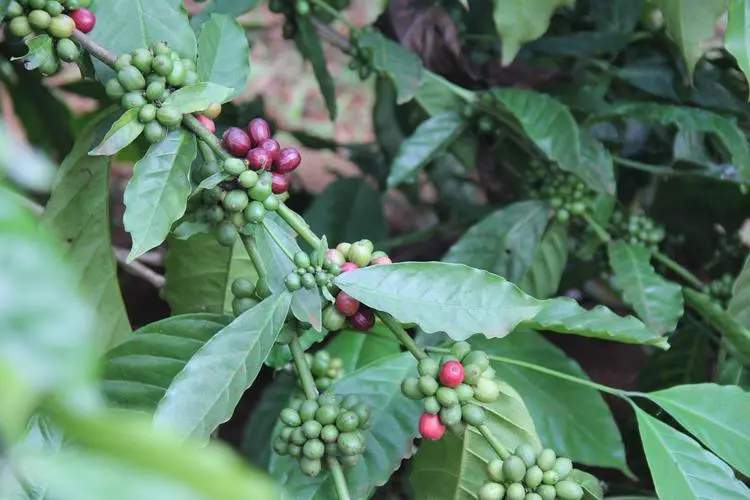
Turning to Brazil, data from local meteorological agencies indicate that key coffee-growing regions continued to receive abundant rainfall in February, providing ideal conditions for crop growth. Research firm StoneX previously predicted that Brazil’s total coffee production for the 2024/25 season would increase by 4.2% year-on-year to 67 million bags. Moreover, as the Red Sea shipping crisis continues to unfold, many traders—aiming to avoid the additional freight costs and delays associated with rerouting around Africa’s Cape of Good Hope—have reduced imports from Vietnam and instead increased purchases of Brazilian Robusta beans.
For Arabica varieties, the relative stability in prices is largely attributed to steady export performances from major Central American producers such as Guatemala, Costa Rica, Nicaragua, and El Salvador, where output and shipment volumes have remained nearly unchanged compared to the same period last year. Honduras, however, has seen a slight production decline, with the 2023/24 season expected to yield about 5.35 million bags (60 kg per bag), a decrease of approximately 6% from the previous year. Fortunately, logistics operations have remained smooth, allowing final export volumes to stay flat at around 4.95 million bags, similar to last year’s figures.
Particularly noteworthy is Colombia, which is forecasted to produce 12.6 million bags of coffee in the 2023/24 season—a significant 15.5% increase from the previous year. Export volumes are also expected to rise accordingly, reaching approximately 10.8 million bags, marking a 12.5% increase. This development significantly boosts supply confidence in the Americas market. These figures not only reflect the strategic adjustments made by various producing regions in response to climate and trade shifts but also provide crucial procurement references for global coffee buyers.
The above content is compiled by CoffeeHunters, a coffee news website.


