







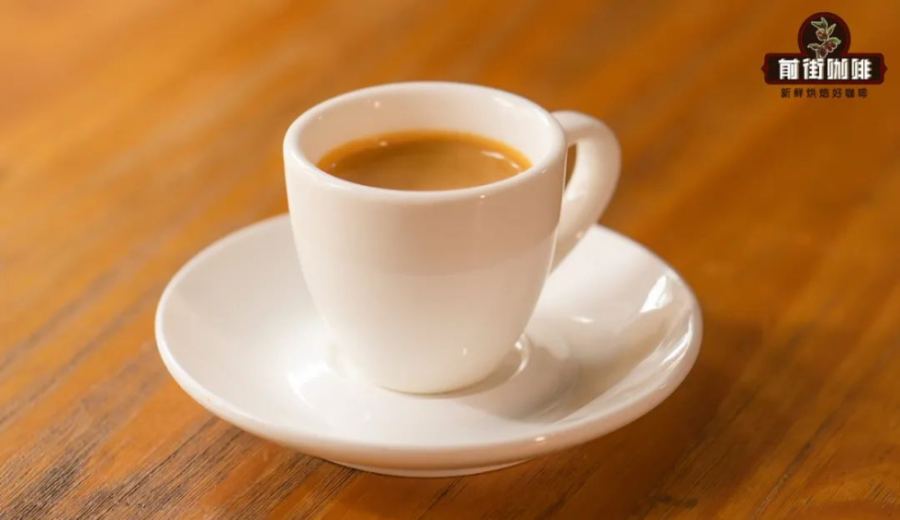
Introduction:From Italian cafés to global chain brands, do you know how lattes, cappuccinos, and Dirty coffees evolved? This in-depth analysis takes you from espresso onward to uncover the origin stories and development of nine classic coffee drinks. Explore their naming origins, evolution, and those easily misunderstood details. After reading this, you’ll have more to talk about next time you order, and you’ll better appreciate the culture behind each cup of coffee.
Walk into any café, and your order will inevitably circle around familiar choices—latte, cappuccino, americano, flat white, or even the trendy Dirty in recent years. These diverse-flavored coffees all stem from one foundation: espresso. But you may never have thought about the stories behind their names. This article starts in Italy, traveling through World War II military camps, American fast coffee culture, Australian espresso preferences, to Japan’s innovative fusion of hot and cold in the Dirty, step by step dissecting the origins and evolution of these classic espresso-based drinks.
Among them, espresso is the starting point. In Italian, espresso means “fast.” Before the 20th century, making a cup of coffee often required a long wait, which was simply too lengthy for efficiency-focused European workers and office-goers. It wasn’t until the Industrial Revolution drove the creation of the first espresso machine that everything changed. This machine could extract a small cup of concentrated coffee in an extremely short time under high pressure. Although the technology then was still crude compared to modern standards, the extraction pressure and speed far exceeded previous methods. Hence it was called espresso, meaning “fast-extracted” coffee.
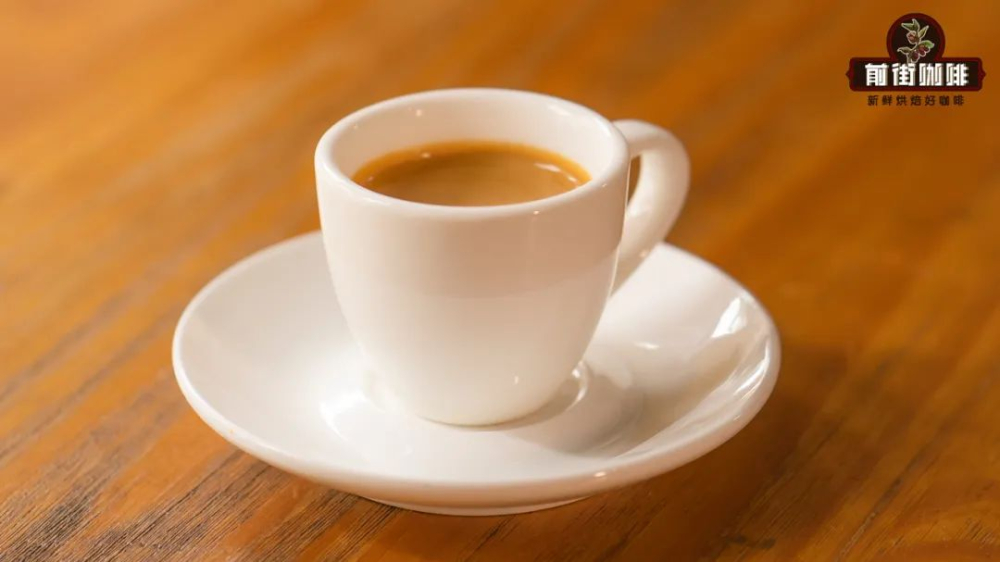
The birth of the americano is full of battlefield flavor. During World War II, when American soldiers first arrived in Italy and ordered the locally common espresso at cafés, they were sorely disappointed by its intense bitterness that was hard to swallow. These soldiers were used to the mild taste of American instant coffee and couldn’t adapt to such a strong coffee experience. To make the coffee more palatable, they asked the baristas to dilute the espresso with hot water. Unexpectedly, this adjustment made the coffee easier to drink and gradually spread within the military. For easy record-keeping and ordering, this water-diluted espresso was named americano, meaning “American” coffee.
When it comes to the cappuccino, many people often mistakenly think it appeared later than the latte, but it’s actually one of the earliest Italian milk coffees. The name comes from the Italian word “cappuccio,” meaning “hood” or “head covering.” Early on, when steam-heated milk was first mixed with espresso, baristas noticed that the layered foam resembled the color and shape of the habits worn by Capuchin monks, leading to a flash of inspiration—the coffee was thus named cappuccino. This association added a layer of cultural imagery to an otherwise ordinary milk coffee.
As for the latte, although it is now almost the most popular milk coffee globally, in Italy, its meaning is actually very straightforward—latte simply means “milk.” The full name would be caffè latte, indicating coffee with a large amount of milk. But because international customers often shorten it to just “latte,” many non-Italian speakers ordering just “latte” in Italian cafés might end up with a cup of plain milk. This is a common little misunderstanding among travelers.
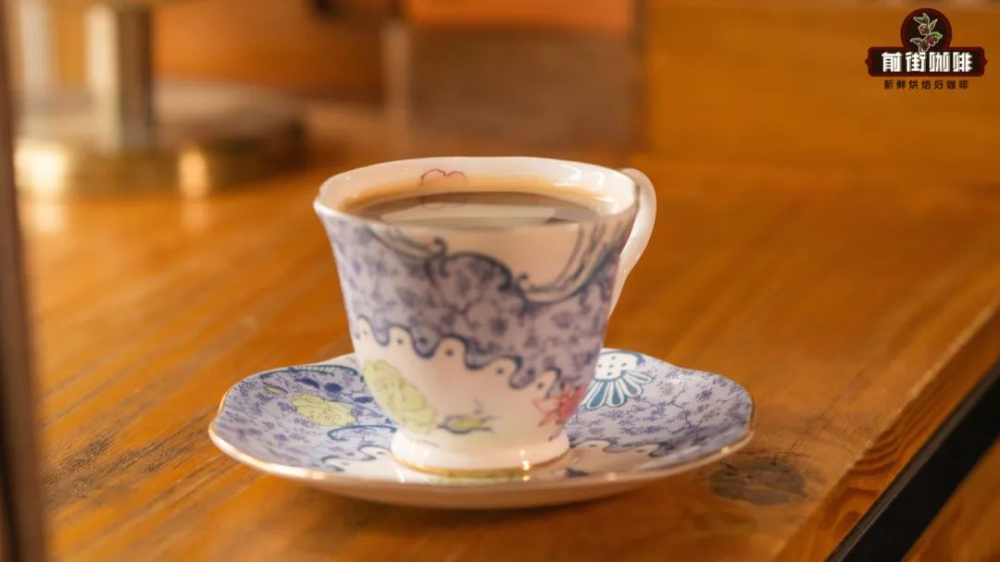
The mocha has a trade history dating back to the 17th century. It originally referred to the port of Mocha in Yemen, which was a major global hub for coffee exports at the time. Many premium coffee beans were shipped from there, and to indicate their origin, the coffee bean packages bore the word “Mocha.” However, as coffee cultivation became more widespread, the prominence of the Port of Mocha declined, and due to wars and the influence of the Ottoman Empire, Mocha beans became scarce. To recreate the once-chocolatey aftertaste of that coffee, people began adding chocolate to their brews—this marked the prototype of the modern mocha coffee.
The macchiato, whose name in Italian means “mark” or “stain,” originates from a time when coffee was less refined. The bitterness of espresso deterred many, so some tried adding a small amount of milk to soften the taste. However, the addition was so minimal that it was nearly indistinguishable visually. To differentiate whether milk had been added, baristas would top the espresso with a thin layer of foam as a “mark,” letting servers know the shot had been adjusted. This is the origin of the macchiato.
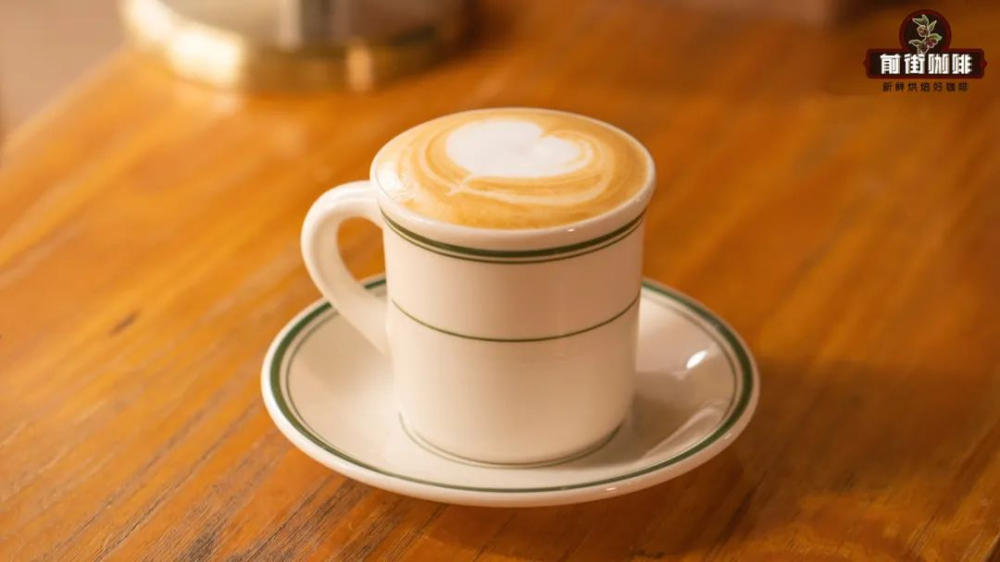
With the rise of specialty coffee, coffee flavors became more balanced and less bitter, reducing the demand for macchiatos. Yet, it remains a classic in the memories of many coffee lovers. Meanwhile, the caramel macchiato is an entirely different creation. It is not an extension of the macchiato but is based on a latte, with the addition of ample caramel syrup and vanilla flavors, resulting in a sweet yet not cloying, multi-layered high-sugar coffee. Its “mark” symbolism is more of a creative branding extension.
In Australia, locals have a distinctive taste in coffee. They prefer strong, clean, and straightforward flavors. The traditional milk foam thickness and dilution levels of classic espresso drinks often fail to meet their expectations. As a result, Australian baristas created the flat white. Compared to the thick foam of a cappuccino, the flat white uses thinner, finer microfoam while maintaining a similar coffee-to-milk ratio, creating a smoother, richer, and more layered drinking experience. This coffee is one of the icons of Australian coffee culture and a favorite among many serious coffee enthusiasts.
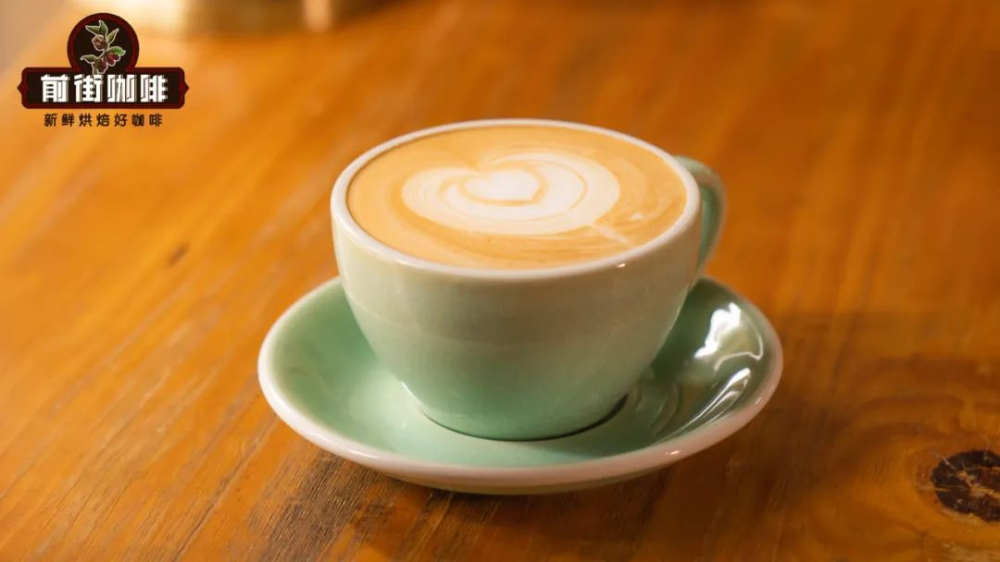
Finally, let’s talk about the dirty. This is an innovative coffee that has been associated with iced drinks since its inception, developed by Japanese barista Mr. Katsuyuki Tanaka. According to him, the inspiration for the dirty came from the strong contrast between hot espresso and cold milk—the richness and depth of the hot espresso paired with the sweetness and smoothness of the ice milk, creating not only a flavor contrast but also high visual tension. When hot coffee is poured slowly onto ice milk, it resembles “angel’s tears” dripping down—this is why the dirty was initially called angle stain (angel’s tear). After entering the Chinese-speaking world, due to intuitive associations of appearance and taste, it gradually came to be known as “dirty coffee.”
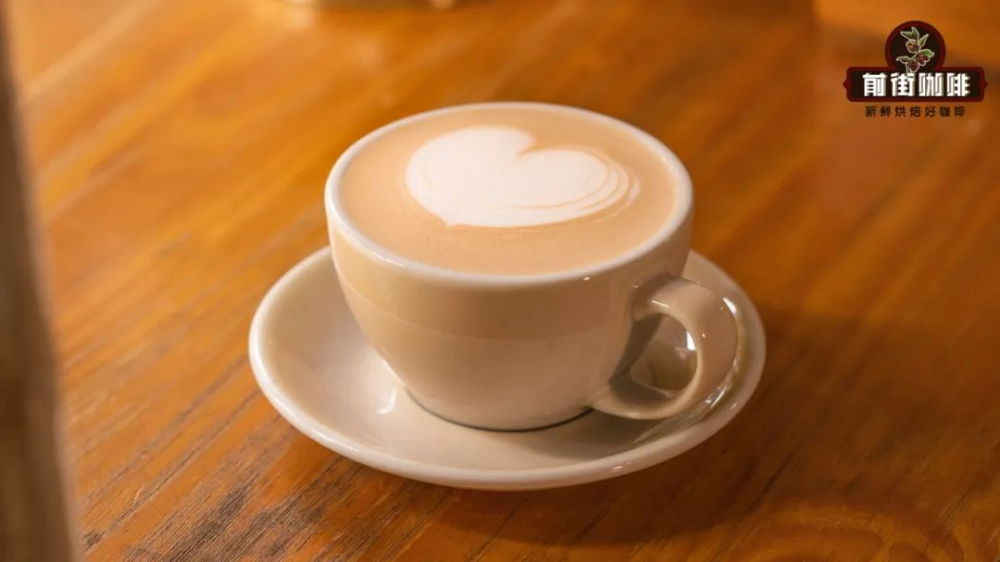
After understanding the origins and evolution of these nine classic espresso drinks, the next time you walk into a coffee shop, you’ll not only be able to choose with more confidence but also sense the cultural context and historical weight behind each cup. It’s not just a beverage—it’s a story that transcends time and space.
The above content is compiled by CoffeeHunters, a coffee news website.


