








Introduction:Many beginners often attribute the subpar flavors in their pour-over coffee to their pouring technique. But can technique alone truly transform an ordinary cup into an exceptional one? This article delves into the extraction mechanism of flavor compounds, analyzing how the alternation between rinsing and immersion during pouring affects overall extraction performance. Using both the three-pour and single-pour methods as examples, it explores how they differ in sweetness expression. Combined with practical testing, it reveals the fundamental factors that determine a coffee’s final flavor profile.
In the age of social media, instructional resources on pour-over coffee are abundant, with a wealth of guides available in both text-and-image and video formats. For newcomers just starting out with pour-over, this certainly provides numerous learning avenues. But a problem arises: when the brewed coffee doesn’t taste as expected, many beginners immediately think to adjust their pouring technique.
From fine particle agitation for fast extraction, Japanese drip methods, high-flow-rate brewing, so-called champion recipes, to various vortex-style pouring techniques—though each method varies in operation, their core philosophy remains quite consistent: placing the emphasis of flavor shaping on the pouring technique itself. They aim to enhance popular flavor profiles such as fruity acidity, sweet smoothness, or juice-like freshness by altering water flow, rhythm, and method.
These brewing strategies that seemingly alter flavors through pouring are, in essence, extraction logics derived by brewers based on their understanding of bean characteristics and parameters. But can such operations really significantly improve a coffee’s overall performance?

During coffee extraction, flavor compounds are not released all at once but in a sequence: acidic compounds dissolve first, followed by sweet components, and finally bitter substances. Therefore, to more precisely present the desired flavor profile, experienced baristas control water temperature, adjust grind size, set appropriate extraction times, or even switch filter types and pouring methods to indirectly regulate the extraction levels of various flavor compounds—thereby allowing the same coffee beans to exhibit diverse flavor layers.
In actual pour-over practice, when hot water passes through the coffee grounds, its primary function is “rinsing,” also known as scouring extraction. Once pouring stops and the water level gradually drops while the coffee grounds remain submerged, it enters the “immersion extraction” phase. Generally speaking, the more segmented the pouring, the more times the coffee bed is rinsed, leading to increased overall extraction efficiency and a longer total extraction time.
Taking the common three-pour method as an example, the process typically involves blooming, followed by a cycle of rinsing, immersion, rinsing again, and immersing again. Compared to the single-pour method, which only includes rinsing and immersion, the three-pour method increases the number of times the coffee bed is agitated, allowing mid-palate flavors—such as fruit sweetness—to be extracted more fully. As a result, the overall flavor profile is richer, and the sweetness is more pronounced.
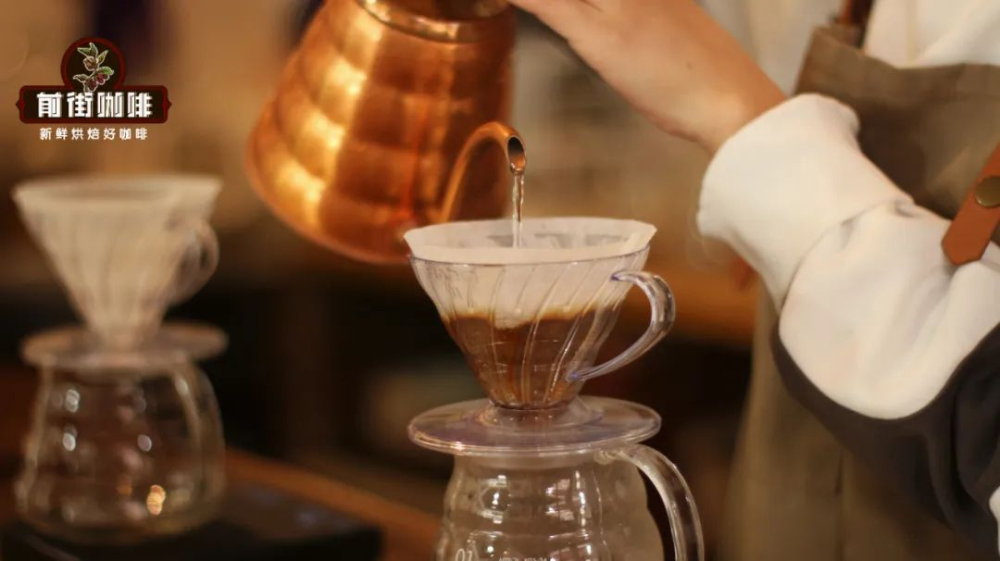
Take a coffee bean from the Santa Ana region, recently used frequently by a certain café, as an example. With all other parameters unchanged, when brewed using the single-pour method, the coffee displayed a bright and clean citrus acidity, with a relatively vivid and direct flavor. However, when switched back to the usual three-pour method, the cup not only retained the original acidity but also gained a layer of rounded sweetness reminiscent of ripe berries and dried apricots, resulting in a fuller mouthfeel.
The industry is well aware that the flavor of a pour-over coffee is influenced by multiple factors including origin environment, coffee variety, green bean processing method, roast level, and ultimately the brewing method—this is precisely what makes single-origin coffee so captivating. However, brewing, as the final link in the entire coffee production chain, actually has very limited room for adjustment. Whether you change the pouring method, adjust grind coarseness, or switch filter types, the impact on the coffee mostly manifests in subtle aspects such as body, sweetness, cleanliness, and aftertaste.
In one internal test, baristas tasted two pots of coffee—one brewed with the single-pour method and the other with the three-pour method—without knowing the beans’ origin. Although everyone did notice slight differences in flavor, they were all able to accurately determine that both coffees came from the same bean. This result clearly shows that although pouring technique does have some influence on flavor presentation, the true determinant of a coffee’s final performance is always the quality and characteristics of the coffee beans themselves.
For example, if the chosen coffee beans are over-roasted, with flat aromas and primarily caramelized flavors, then no matter how complex or fancy the brewing method, it’s very difficult to achieve a significant improvement in flavor. In other words, while excellent brewing skills can enhance coffee, they cannot turn inherently poor-quality beans into something outstanding.
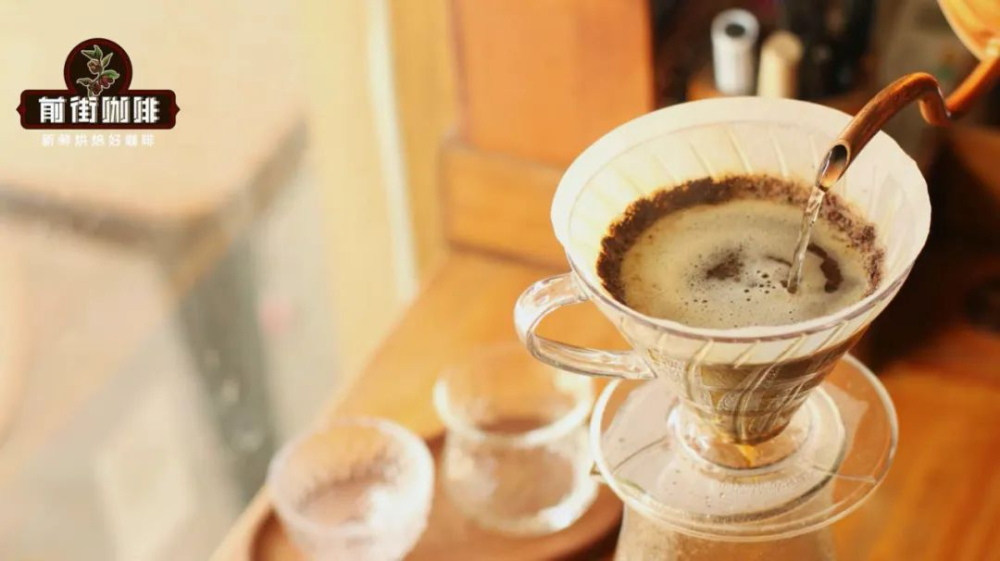
Based on this, the industry generally recommends that beginners adopt simpler brewing frameworks with fewer variables and higher stability. This not only makes them easier to master but also more authentically highlights the inherent characteristics of the coffee beans. If you wish to enjoy coffee with more pronounced sweetness, livelier acidity, or more unique aromas, consider starting with selecting the right coffee beans. Because the flavor differences between different coffee beans are often far more significant than the changes brought about by simply altering brewing methods.
The above content is compiled by CoffeeHunters, a coffee news website.


