







Introduction:Want to understand the charm of Papua New Guinea coffee, known as the "Little Blue Mountain"? This article takes you into the Sigri Estate in the Western Highlands Province to delve into the growing environment, processing methods, and unique flavors of the Bird of Paradise coffee beans, and provides practical brewing suggestions for washed processed beans. Whether you're a coffee beginner or an advanced enthusiast, you’ll find useful information here.
Papua New Guinea’s coffee has long been called the "Little Blue Mountain," and with its delicate flavor profile and high-altitude cultivation background, it holds a distinctive place in the international specialty coffee market. Located in the Western Highlands Province, the Sigri Estate is one of the representative producing regions. Its Bird of Paradise coffee beans have gained widespread acclaim for their unique packaging and exceptional quality. This article will start from the development history of the country's coffee industry, introduce its uniquely favorable geographical conditions and the characteristics of its main producing areas, analyze in depth the planting and processing procedures of the Sigri Estate, and finally present the flavor profile and practical brewing reference for this washed Typica bean.
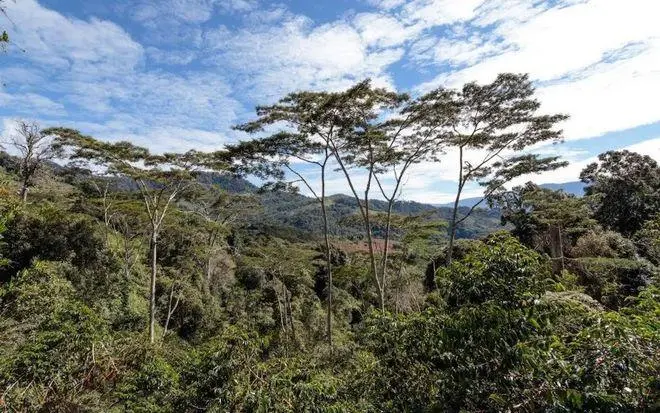
Papua New Guinea is an archipelagic nation consisting of over 600 islands located east of Indonesia and southwest of the Pacific Ocean, forming part of the Melanesian Islands. The entire territory is mostly mountainous, with areas above 1,000 meters altitude classified as having a mountain climate, while the rest features a tropical climate. The country boasts dense tropical rainforests, active and dormant volcanoes, and fertile soil rich in minerals—conditions that make it extremely suitable for growing Arabica coffee.
The country’s coffee planting history dates back to the late 18th century when Dutch navigators first introduced coffee seedlings. However, it wasn’t until the 1890s that sporadic cultivation began, initially mainly for the local market. The year 1926 was a pivotal turning point when the government established 18 coffee plantations and introduced the renowned Typica variety from Jamaica, officially promoting commercial production. Due to similar geographic and microclimatic conditions, the Typica coffee grown in Papua New Guinea shares a remarkably similar flavor profile with Jamaican Blue Mountain—offering a rich body and abundant aroma, but with brighter fruit acidity. As a result, it has gradually been hailed by the market as the "Little Blue Mountain."
Entering the 1970s, the local government launched a series of revitalization programs, actively encouraging smallholder farmers to operate through cooperatives to enhance bargaining power and production efficiency. Although global coffee prices fluctuated over the following decades and many large estates faced operational challenges, Papua New Guinea has maintained a smallholder-dominated industry structure, with about 95% of its coffee coming from these family-run farms. Moreover, nearly all the varieties are Arabica, showcasing the resilience of its coffee industry.
Focusing on regional distribution, coffee cultivation in the country is primarily concentrated in five highland provinces: Western Highlands, Eastern Highlands, Chimbu, Morobe, and East Sepik. Among them, the Western and Eastern Highlands are not only the two highest-yielding regions but also the main areas where the Typica variety is cultivated, occasionally featuring small amounts of Catimor and Bourbon hybrids. Other regions mainly grow Robusta, with overall quality and flavor performance being less prominent.
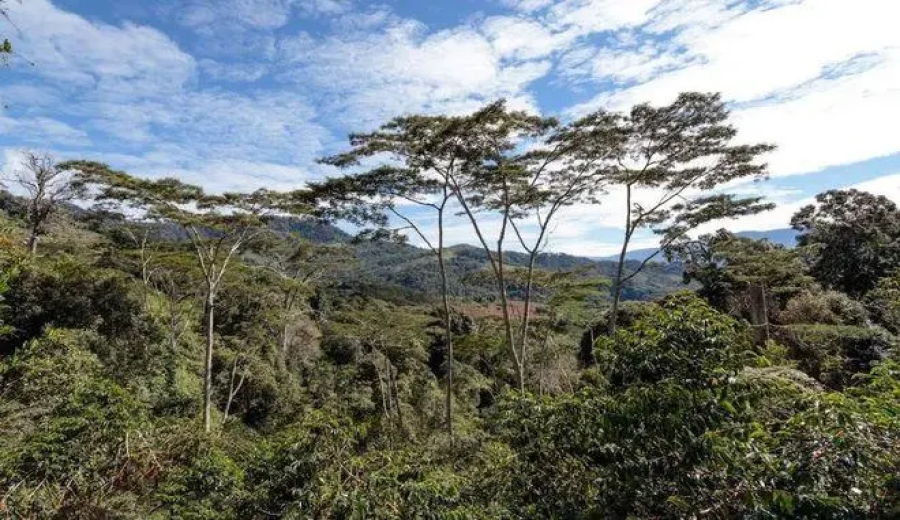
The Western Highlands Province is the core producing area for specialty coffee in Papua New Guinea, with altitudes mostly ranging between 1,000 and 1,800 meters. The region also features an ancient volcano that is now dormant. The high-altitude environment extends the ripening time of coffee cherries, aiding in the accumulation of flavor compounds, while volcanic soil rich in trace elements provides excellent growing conditions for coffee trees. The Sigri Estate located in this area is one of the most representative coffee farms in the province.
Founded in 1950, the Sigri Estate is not only a key driver of the local coffee industry but has long been known for its high-standard planting and post-harvest processing techniques. The estate is situated in the Waghi Valley at an altitude of over 1,500 meters. Aside from its naturally superior conditions, it adheres strictly to chemical-free and pesticide-free farming, committing to sustainable and eco-friendly cultivation practices. In terms of processing, the Sigri Estate only harvests fully ripe red coffee cherries and ensures post-harvest processing is carried out on the same day of picking to maintain freshness and flavor purity. Additionally, its exported green coffee beans are packaged in jute bags printed with the image of the Bird of Paradise, Papua New Guinea’s national bird. This iconic bird has also become the nickname for these coffee beans.
Currently available on the market, a certain brand’s Papua New Guinea Sigri Estate Bird of Paradise coffee beans are of the washed Typica variety, sourced from the Sigri Estate at altitudes above 1,500 meters. This coffee, when medium-to-dark roasted, exhibits a balanced and layered flavor profile. Its official description includes notes of caramel, cocoa, and almond aromas, along with citrus acidity emerging at lower temperatures, delivering a full-bodied yet refined overall mouthfeel.
If you’d like to brew this washed Typica coffee at home, it is recommended to use a KONO filter cone with a 1:15 coffee-to-water ratio and a water temperature of around 91°C for pour over. These parameters can fully highlight its sweetness and rich body while making the low-temperature acidity more pronounced, making it ideal for coffee lovers who enjoy balanced flavors and bright fruity notes. Remember to control grind size and pouring rhythm carefully to achieve optimal extraction.
The above content is compiled by CoffeeHunters, a coffee news website.


