








Introduction:During the pour over coffee process, the behavior of the coffee grounds during the blooming phase is often considered an important indicator of freshness and extraction quality. However, many coffee enthusiasts notice that the coffee bed briefly rises after pouring water but then quickly collapses, leaving them to wonder if this is normal. This article delves into the three key factors behind this phenomenon—water volume, grind size, and pouring technique—along with practical parameter suggestions and common mistakes to avoid, helping you fine-tune your approach and enhance the flavor of every pour over brew.
In the blooming stage of pour over coffee, the coffee bed typically forms a soft and plump “hamburger”-shaped mound, which serves as one of the key signs of the beans’ freshness. Yet, many coffee lovers find that although the coffee bed rises nicely after pouring water, it quickly collapses or even visibly sinks. Does this indicate a brewing problem? In fact, it doesn’t necessarily mean the coffee beans are stale—it could be caused by several adjustable parameters or details in the brewing process.
Blooming, as the first step in pour over brewing, aims to evenly wet all the coffee grounds with a small amount of hot water to release internal carbon dioxide, laying a solid foundation for subsequent extraction. Ideally, the coffee bed will gradually rise and form a stable, well-shaped mound, usually indicating that the coffee beans are relatively fresh and that flavor compounds have not yet significantly degraded. Conversely, if the coffee bed does not expand at all or collapses right from the start, it may suggest that the beans have been stored for too long and may not yield optimal flavors.
However, if you observe that the coffee bed initially swells but then quickly deflates, leaving a noticeable dent in the coffee bed, this situation also warrants attention. Why does the coffee bed rise from water absorption and then immediately collapse? The main reasons usually revolve around three aspects: control of water volume, grind size of the coffee, and the pouring technique used.

1. Excessive Water Volume: Too Fast Saturation, Insufficient Support
Generally speaking, coffee grounds can absorb roughly twice their own weight in water. As a result, most pour over guides or professional baristas recommend using a water volume equal to about twice the weight of the coffee grounds during blooming. For example, with a common 15-gram dose of coffee, about 30 grams of hot water is usually sufficient to achieve good saturation while maintaining a stable coffee bed structure. However, beginners who are still learning to control water flow often unintentionally pour too much water—especially when working with light roast beans that have lower water absorption. Excess water not only risks causing the liquid in the bottom brew chamber to rise too quickly but may also lead to rapid collapse of the coffee bed due to increased weight and pressure.
For instance, using 15 grams of coffee and pouring more than 45 grams of water during blooming can not only cause excess brew liquid to flow into the server, but the initial mound formed in the coffee bed may also slightly contract due to too much moisture and excessive pressure, losing its intended fullness.
2. Inappropriate Grind Size: Excessive Particle Gaps, Difficult Structure Maintenance
The grind size of the coffee also plays a crucial role in maintaining the structure during the blooming phase. For pour over coffee, it is generally recommended to grind the coffee to a consistency similar to fine sugar, with minor adjustments possible based on total brew time (typically around two minutes). If conditions allow, using a standard #20 sieve with a 0.85mm aperture and achieving a filtration rate between 70% and 80% helps attain a more uniform particle distribution.
If the coffee is ground too coarsely, water can begin flowing through the filter too quickly—before adequately penetrating the coffee bed—causing the particles to only briefly interact and release gases, making it difficult to form a stable gas-release structure. As a result, even if a mound initially forms due to gas release, it may quickly collapse due to the failure of particles to effectively re-bond.
3. Overly Aggressive Pouring Technique: Concentrated Impact, Destabilizing the Coffee Bed
Most coffee enthusiasts use a gentle stream of water and pour in a circular motion from the center outward during blooming. This technique allows the coffee bed to gradually expand from the center and eventually uniformly fill the bottom of the filter. However, if an overly intense pouring method is used—especially focusing on a very small central point—the force of the water can disrupt the coffee particles, widening the gaps between them. Even if the coffee bed initially rises due to gas release, once the gases have dissipated and water quickly penetrates, what remains is a loose and porous coffee bed structure that is naturally prone to collapse.
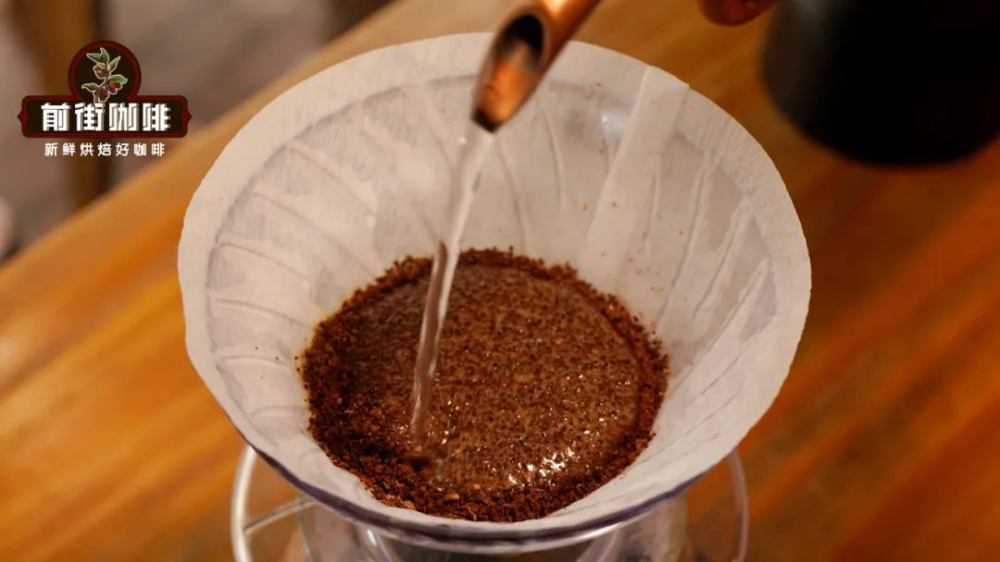
Taking all these factors into account, we can understand that while the quick collapse of the coffee bed after blooming is not entirely normal, it does not necessarily indicate poor coffee bean quality. Instead, it’s more likely a minor deviation in operational parameters or technique. With careful observation and appropriate adjustments, noticeable improvements can usually be achieved.
If you wish to further enhance your overall pour over performance, consider starting with the following basic parameters and techniques: control the blooming water volume to around twice the weight of the coffee grounds (e.g., 15 grams to 30 grams of water), ensure the coffee grind size is moderate (close to sugar-like fineness, with a filtration rate of 70–80% being ideal), and use a gentle, small stream of water poured in a circular motion from the center outward. These small changes will help the coffee bed form a more stable and plump mound, providing a better foundation for subsequent extraction.
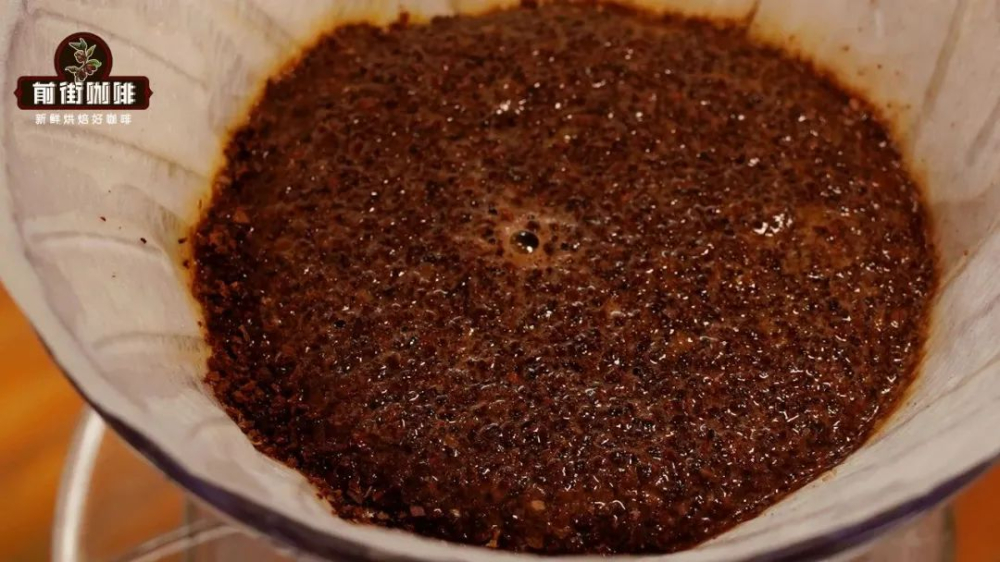
In summary, while the collapse of the coffee bed after blooming is not necessarily a serious issue, it does reflect certain aspects of the brewing process that may need optimization. By mastering the correct water volume, adjusting the grind size appropriately, and refining your pouring technique, you’ll be better able to assess the state of your coffee and gradually improve the flavor consistency and overall experience of your pour over brews.
The above content is compiled by CoffeeHunters, a coffee news website.


