








Introduction:The body of coffee refers to the “weight” and “richness” in mouthfeel, and is one of the key indicators in evaluating the quality of a cup of coffee. This article delves into the definition of body, the influencing factors, as well as practical tips such as filter selection, brewing time, and coffee bean roast level to help you adjust the flavor intensity to your preference—whether you prefer a bold or light cup. Whether you're a beginner in pour over or an advanced enthusiast, you’ll find useful inspiration for coffee extraction here.
While tasting coffee, you may often hear the term “body.” So, what exactly does the body of coffee mean? Simply put, it refers to the texture and weight that coffee creates in the mouth, also understood as “richness.” A good cup of coffee not only needs captivating aroma and flavor, but the body also greatly impacts the overall drinking experience. The quality of the body is usually related to the oils and fibers contained in the coffee, and whether these components can be effectively extracted depends closely on the type of filter you choose, the length of brewing time, and the roast level of the coffee beans.

Many people new to coffee find the concept of body confusing. In fact, body does not refer to the taste of coffee, but rather the tactile sensation—similar to the different textures and weights we feel when drinking yogurt or water. When we evaluate the body of a coffee, we’re actually discussing whether the “mouthfeel” of the drink is satisfying. For example, a coffee with a full body might have a rich, smooth, and thick mouthfeel, while a coffee with a lighter body may taste cleaner, crisper, or even somewhat thin.
The main factors influencing the body of coffee include the extraction levels of oils and fibers. Generally speaking, the more of these two substances, the more pronounced and enjoyable the body will be. That’s why filtering equipment such as cloth filters or metal mesh filters are often used to make coffee with a thick body, as they retain more oils. On the other hand, espresso has a rich body partly because high-pressure extraction releases a large amount of oil.

To brew a cup of coffee with an ideal body, simply increasing coffee concentration isn’t enough. While concentrated coffee liquid usually has a heavier mouthfeel, body is not the same as strength. In fact, the body of coffee depends more on whether oils and fibers can be effectively extracted during the brewing process. Therefore, we should focus on adjusting brewing techniques, rather than simply increasing the coffee-to-water ratio or extending extraction time.
First, the choice of filtering equipment is one of the key factors affecting body.Equipment with larger filter holes, such as metal mesh or cloth filters, retains more oils, thereby enhancing the richness of the coffee.In contrast, while paper filters can remove fine particles and impurities, they also block most of the oils, resulting in a lighter or even thin body. If you prefer a fuller mouthfeel, try using a cloth filter or metal mesh filter for your pour over.
Secondly,adjusting the brewing time can also alter the expression of body.Extending the brewing time generally helps extract more substances from the coffee, but without corresponding adjustments to water temperature and grind size, it may lead to over-extraction, resulting in bitterness. It is recommended to adopt the strategy of “maintaining a stable coffee-to-water ratio, lowering the water temperature, and using a coarser grind,” paired with a slower-flowing filter design (such as the Kono or V60 with ridged design), to achieve longer extraction time while still maintaining a good flavor balance.
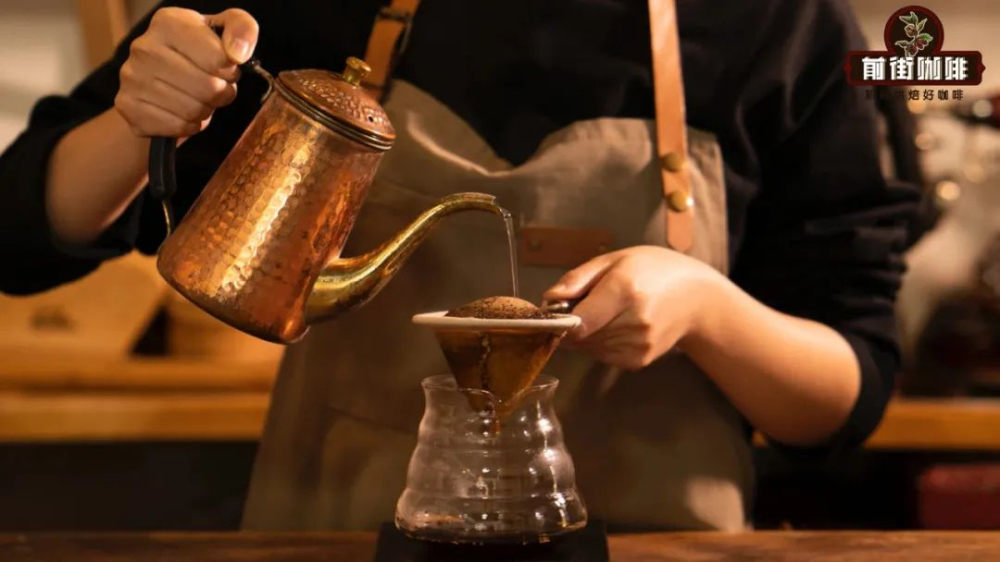
Additionally,the roast level of the coffee beans directly affects the expression of body.Dark-roasted coffee beans, due to prolonged exposure to high temperatures, produce more oils and typically offer a richer, fuller mouthfeel. In comparison, light-roasted beans contain less oil, resulting in a lighter body, with flavors that highlight details like fruit acidity and floral notes. If you wish to experience a rich and full-bodied coffee, prioritize medium-dark to dark roast beans, and combine them with the above brewing techniques to further enhance the mouthfeel.
In summary, body is an indispensable part of the coffee experience, together with flavor forming the overall impression of a cup. Whether you prefer a bold, full-bodied taste or a light, refreshing flavor, you can achieve your ideal coffee body by adjusting parameters such as filtration method, brewing time, water temperature, grind size, and coffee bean roast level. Each style has its unique charm—the key is finding your perfect cup.


The above content is compiled by CoffeeHunters, a coffee news website.


