







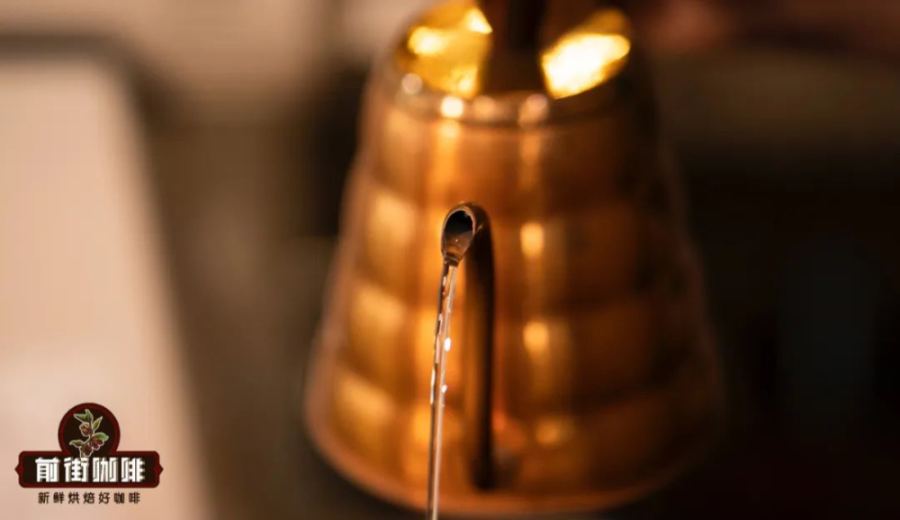
Introduction:The key to pour over coffee lies not in how aesthetically pleasing the coffee bed looks, but in the stability and precise control of the water flow. This article will delve into the impact of water flow rate during the pour over process, systematically introducing how to stabilize your pouring rhythm and enhance extraction uniformity through stationary and circular pouring exercises. Whether you're a beginner or already have some experience, you’ll find a practice path that suits you.
During the pour over coffee brewing process, many people mistakenly believe that the final appearance of the coffee bed directly determines the quality of the coffee. In reality, what truly influences flavor is whether the extraction parameters align with the coffee beans and equipment used—more importantly, whether the water flow during pouring is even and stable. If the water flow fluctuates in intensity or the pouring point shifts inconsistently, it can easily lead to a higher proportion of channeling and result in uneven extraction, ultimately affecting the final flavor profile.
This article takes a practical approach, guiding readers from equipment selection and the principles of water flow control, to specific training methods. It is divided into two core stages—stationary even pouring and circular even pouring—to gradually help you build stable water control skills. It also details how different spout sizes affect the handling of both high and low water flow rates, helping you find the most suitable training method for yourself.
Many people believe that the quality of pour over coffee depends on how beautiful the coffee bed looks, but this is a common misconception. The final flavor performance of a cup of pour over coffee has limited correlation with the shape of the coffee bed. What truly matters is: whether your extraction parameters—such as coffee bean selection, grind size, and pour over kettle—are well matched, and more importantly, whether the water flow remains consistently stable and even throughout the entire pouring process.
The size and stability of the water flow have a huge impact on extraction. When you’re unable to control the strength of the water flow or its landing point, it’s easy to over-extract certain parts of the coffee bed while under-extracting others, resulting in imbalanced flavors. Therefore, improving your “water control ability” is a fundamental skill that no pour over enthusiast should overlook.
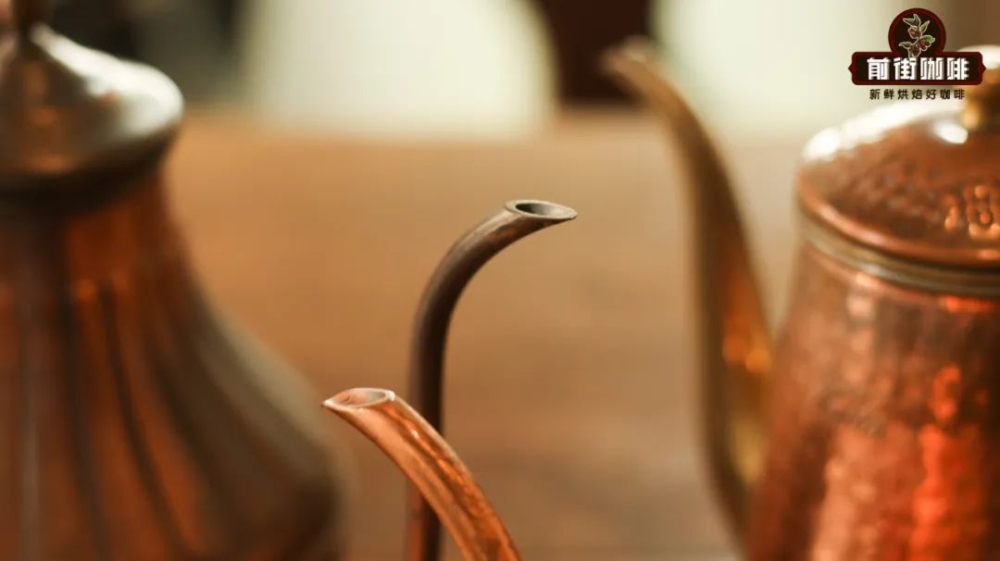
Before starting any water control training, there is one very important preparation step: choose a suitable pour over kettle and stick with the same one throughout your practice. The reason is simple—the water discharge characteristics vary greatly among different kettles, especially the spout diameter and shape, which directly influence the stability and controllability of the water flow.
Generally speaking, kettles with narrow spouts produce smaller water flows, which are relatively easier to control and are more beginner-friendly. They allow you to build a basic sense of water control within a shorter period. However, the downside is that this skill is often limited to narrow-spout kettles. Once you switch to a wide-spout kettle, your previous proficiency may not transfer directly.
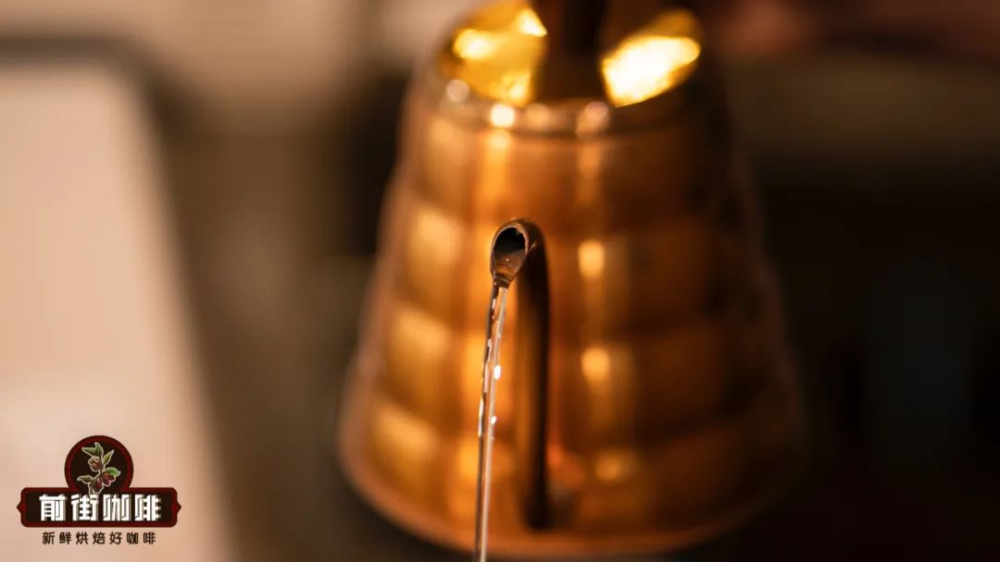
On the other hand, kettles with wide spouts produce larger water flows, making them more challenging to master at the beginning and requiring more time and patience. However, once you become proficient with a wide-spout kettle, you’ll find it much easier to adapt to other types or sizes of pour over kettles in the future. Therefore, it’s recommended to choose based on your own goals: if you want to get started quickly, prioritize a narrow-spout kettle; if you aim to develop more solid water control skills, go straight for a wide-spout kettle.
Step 1: Stationary Even Pouring
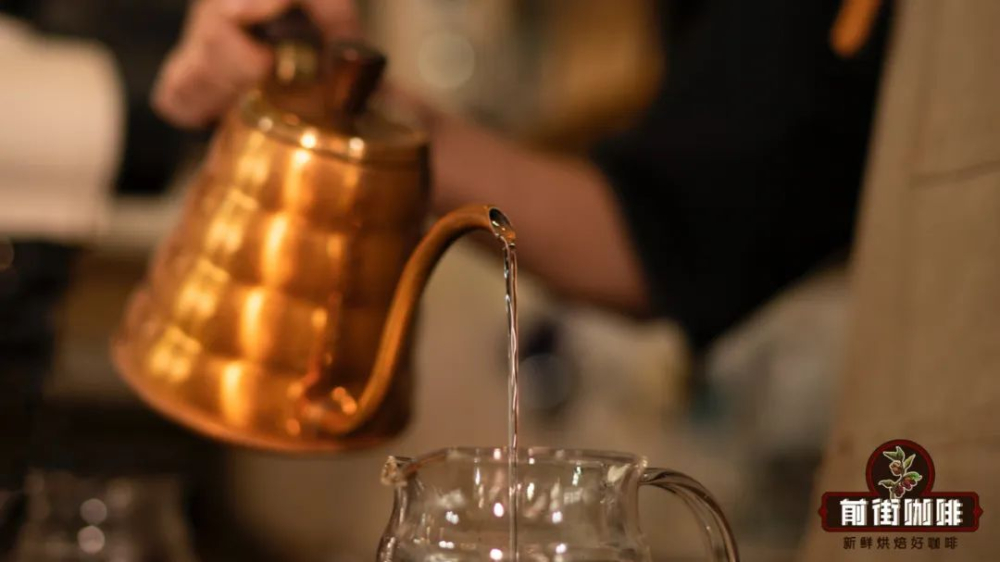
This stage of training may seem monotonous, but it’s the foundation for building water control ability. You need to fill your pour over kettle with about two-thirds of water, then select a fixed pouring point and continuously pour a stable, vertical stream of water. It’s recommended to start with a small water flow, and once your feel becomes stable, gradually increase the water volume and try using a larger flow.
In actual practice, as the water in the kettle decreases during pouring, the weight of the kettle will also change. At this point, you need to adjust the tilt angle of your hand accordingly based on the decreasing water level to ensure that the intensity and speed of the water flow remain consistent. This process requires repeated practice until your hand muscles form muscle memory and can naturally and stably control the water flow—only then is this stage of training considered complete.
Step 2: Circular Even Pouring
After completing the stationary pouring training, the next challenge is circular pouring. In actual pour over practice, we often use circular movements to evenly agitate the coffee bed and improve overall extraction efficiency. However, it’s precisely during the circular motion that water instability is most likely to occur.
Many people tend to apply force with their wrists when circling, causing the angle of the kettle to constantly change, which leads to inconsistent water flow. Therefore, the core focus of this stage is: how to keep the water flow stable despite the circular movement.
It’s recommended to use your body’s strength to drive the circular motion rather than relying solely on your wrist. The specific method is: stand with your feet firmly planted, keep your upper body stable, and use the rotation of your waist and shoulders to guide the kettle in a circular motion, while your wrist only adjusts the angle of the spout slightly. This way, even when the kettle is in motion, the water flow can remain stable and even.
Of course, if you already have some wrist control ability, you can also try controlling the circle with your wrist—but this is more challenging for beginners, as it requires managing both the kettle angle and water stability simultaneously, which is relatively difficult. Therefore, it’s advised that beginners first adopt the body-driven method, starting with a slower speed, and once you can steadily control the water flow, gradually increase the speed of your circular motion. Ultimately, you’ll reach the stage where you can freely adjust both the flow rate and circle speed—this is when you’ve truly mastered the water control techniques of pour over coffee.
The above content is compiled by CoffeeHunters, a coffee news website.


