








Introduction:Iced cappuccinos are relatively rare on café menus—not because they’re difficult to make, but due to taste preferences and the complexity of the preparation process. This article will explore the origins of the cappuccino name and how it’s traditionally prepared hot, delve into the challenges of the iced version, and guide readers in using a common household tool—the French press—to easily create creamy iced milk foam and assemble a refreshing yet richly caffeinated iced cappuccino. It’s perfect for coffee lovers looking to try something new at home.
Have you ever noticed that “iced cappuccino” is almost nowhere to be found on café menus? Is it because it’s too technically challenging or simply because customers aren’t fond of its flavor? Today, we’ll start with the cultural background of the cappuccino, break down the differences between the hot and iced versions step by step, and teach you how to make an iced cappuccino with velvety iced milk foam at home using a simple tool—a French press—no expensive equipment needed to enjoy a professional-grade taste.

Walk into most coffee shops, and you’ll be hard-pressed to find “iced cappuccino” on the menu. Is it too hard to make? Or is it because customers just don’t like it? In truth, the challenge of this drink mainly lies in its unique texture requirements and preparation process. Next, we’ll take a deep dive into the origin of the cappuccino name and how classic hot cappuccinos are made, then uncover the reasons why iced cappuccinos are less commonly seen.
The word "Cappuccino" originates from Italian, meaning "hood" or "cowl," referring to the deep brown robes and pointed hoods worn by Capuchin friars in the Catholic Church. It’s said that when early Italians mixed espresso with milk, they noticed the color resembled the monks' attire. Inspired, they shaped the milk foam to resemble the pointed hood, thus giving the drink its name, Cappuccino.

A classic hot cappuccino follows a standard 1:1:1 ratio—namely, one part espresso, one part hot milk, and one part hot milk foam. Milk foam is categorized by texture into dry and wet: dry foam has larger, more robust bubbles with good structure and a dense, long-lasting mouthfeel; wet foam is finer and more fluid, with less stability but equally smooth and delicate on the palate.
For a practical example, we use a narrow ceramic cup with a capacity of about 240 ml, paired with a blend coffee (such as the Warm Sun Blend), extracting 20 grams of coffee grounds to yield approximately 40 grams of espresso in around 28 seconds. As for the milk, around 170 ml of fresh milk is steamed to produce about 1.5 cm thick foam, forming a “hamburger-like” fluffy surface, visually filling the cup to about 11/10 full near the rim.
When making a hot cappuccino, there are several details worth noting: first is the espresso extraction conditions, including water temperature and time, which directly affect flavor performance; second is the milk foam, as overheating or steaming for too long can cause the milk to oxidize or develop off-flavors. Only with precise control can you achieve fine and stable foam.
So why are iced cappuccinos less common in cafés? In reality, the concept of making an iced cappuccino is similar to the hot version, with the difference being the use of ice cubes and chilled milk to create a refreshing taste. However, many shop owners find the preparation process more complicated, and the flavor layer resulting from combining hot milk foam with iced coffee may not suit the general public's taste, so most cafés don’t list it as a regular menu item.
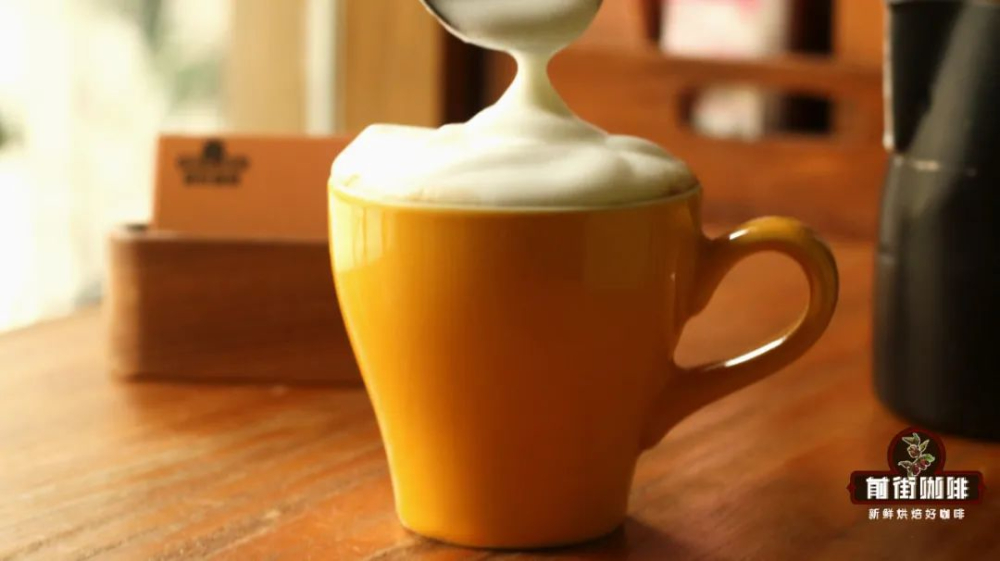
That said, if you want to try making a iced cappuccino with a creamy texture at home, you only need to master a few key steps to pull it off easily. First, prepare ice cubes, chilled milk, freshly brewed espresso (if you don’t have an espresso machine, instant black coffee or espresso concentrate can be used as substitutes). Then, use a common household French press to make iced milk foam.
The specific method is: pour about half a French press of chilled milk into the container, then gently pump the plunger about 20 times to expand the milk and produce fine foam until the container is about 80% full. At this point, the foam should be fine and possess a certain degree of firmness. During the process, it’s recommended to control the speed and pressure of pumping to avoid the foam being too thin or too thick, which could affect the final mouthfeel.
Once the iced milk foam is ready, you can begin assembling your iced cappuccino: start by placing an appropriate amount of ice cubes in the cup, pour chilled milk to the desired level, then add 40 grams of espresso liquid into the cup, and finally carefully spoon the iced milk foam on top using a spoon to form a dense, creamy topping.
It’s important to note that due to the addition of ice cubes and chilled milk, the overall coffee concentration of the drink may become diluted. It’s recommended to adjust the ratio of espresso to milk according to personal taste to achieve the best balance. With just a grasp of the basic techniques, you too can recreate a professional-level iced cappuccino at home and enjoy a unique coffee experience.
The above content is compiled by CoffeeHunters, a coffee news website.


