








Introduction:Many pour over beginners often wonder: even when using the same grind size, water temperature, and coffee-to-water ratio, and following similar brewing steps, why does the flavor of each brew turn out so different? The key may lie in the design of the pour over kettle’s spout. Different spout shapes can affect the stability and focus of the water flow, which in turn influences the evenness of coffee extraction and the overall flavor profile. This article will delve into the differences in spout size, spout opening width, and other design factors, explaining how various spout types impact pouring technique and extraction results. This will help you choose the most suitable brewing tool based on your current skill level.
Many beginners who have just started exploring pour over coffee often face a confusing issue: even when using the same grind size, water temperature, and coffee-to-water ratio, and following similar brewing procedures, the resulting coffee can taste noticeably different each time. Recently, at one of our stores, a customer encountered this very situation. After a step-by-step examination, it was ultimately discovered that the root cause was the design of the pour over kettle’s spout.

You might think that as long as your hand movements are steady and the parameters are correct, you can consistently brew great coffee. However, the shape of the spout and the way water exits it have a significant impact on the shape of the water stream, which in turn affects the speed of pouring, the concentration of the water flow, and the difficulty of control—all of which ultimately influence how evenly the coffee grounds are saturated and how the overall extraction performs. Therefore, choosing the right spout plays a crucial role in achieving a stable and well-balanced cup of coffee.
So, what types of differences exist among pour over kettle spouts? And how do they affect the water flow and extraction? We’ll explore these aspects from the perspectives of spout size, the width and shape of the spout opening, helping you understand the characteristics of different spouts and learn how to choose the most appropriate tool based on your current brewing skills.

First, the diameter and shape of the spout’s opening are key factors influencing the concentration and speed of the water stream. For example, spouts with a smaller opening typically produce a finer and more stable water stream. These spouts are suitable for beginners who need precise control over pouring speed and the location where water hits the coffee bed. They help reduce water dispersion, aiding in the even wetting of the coffee grounds.
In contrast, spouts with a larger opening or a more open water exit angle may offer a greater flow rate, but they are relatively harder to control in terms of water concentration. They can easily lead to water dispersal during pouring. If your technique is not yet refined, this could result in uneven flushing of the coffee grounds, thus affecting the balance of flavor extraction.
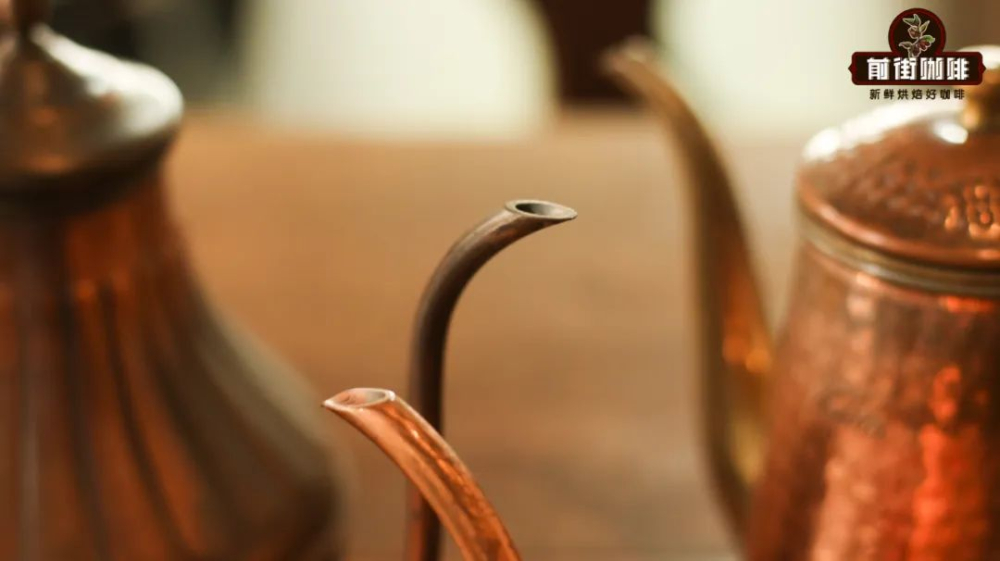
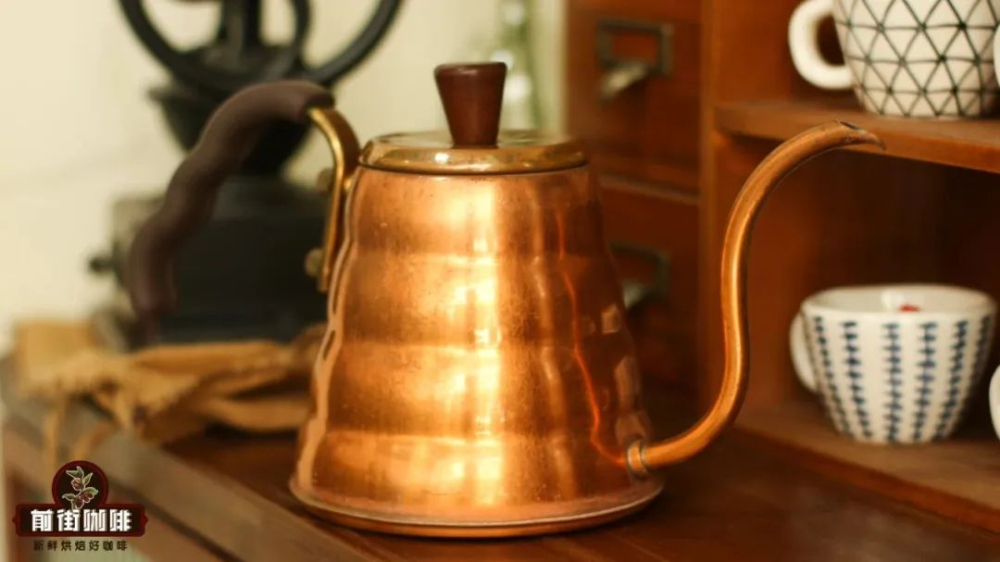
Besides the opening size, the curvature and extension length of the spout are also important considerations. Commonly seen slender curved spouts allow users to more flexibly adjust the height and angle of pouring, making them especially suitable for situations requiring delicate circular pouring. This helps control the rate of water temperature loss and maintains stable saturation of the coffee bed. On the other hand, shorter straight spouts may be more intuitive to operate, but they present a greater challenge for beginners when it comes to controlling the finer details of the water flow.
For beginners, it is recommended to prioritize spout types that produce a stable and easily controllable water flow—such as narrow spouts that are slightly upward-curved. These help reduce splashing caused by hand movement and allow you to focus more on practicing the fundamental skill of pouring water evenly. As your technique gradually improves, you can then experiment with different spout designs to explore their subtle effects on flavor expression.
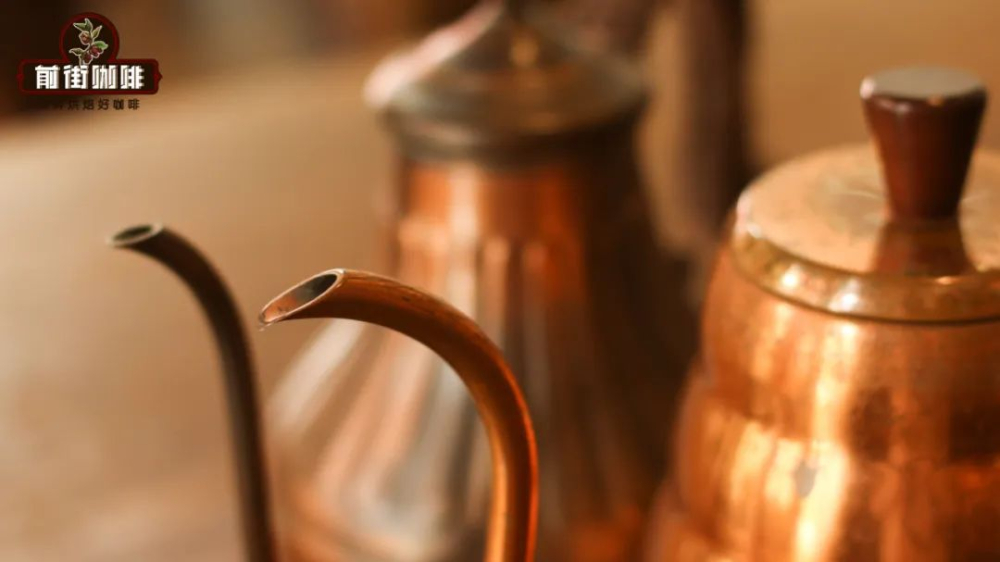
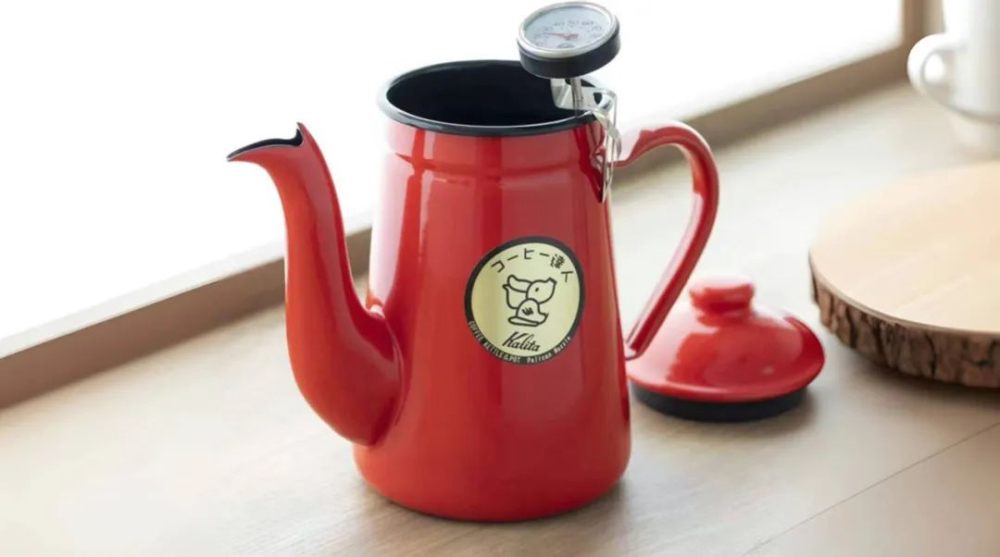
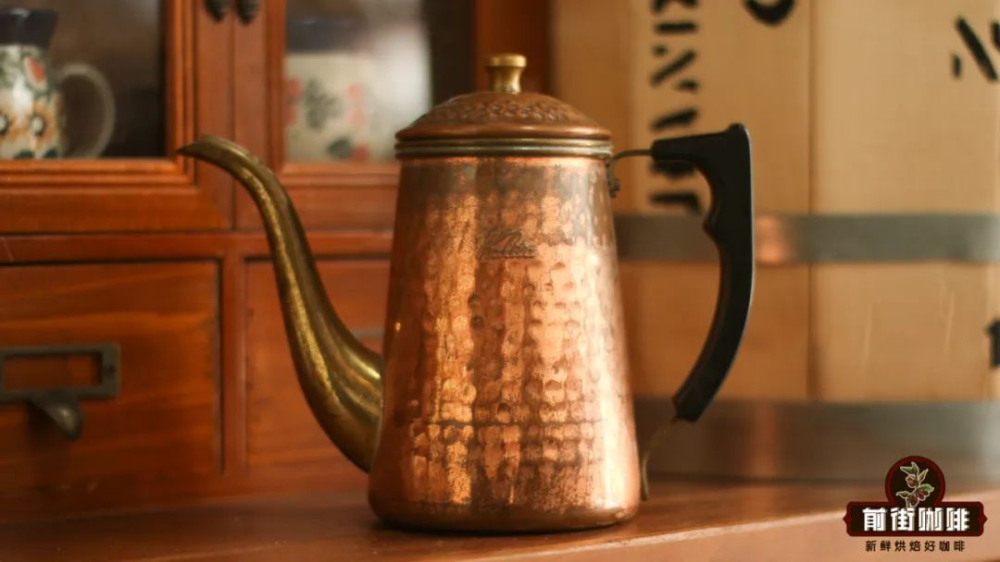
In addition, the material and weight of the spout can indirectly affect handling feel. Generally speaking, kettles made of aluminum alloy or stainless steel with moderate weight offer better stability, reducing shaking during pouring. Meanwhile, whether the curvature of the spout conforms to ergonomic design can also influence the precision with which you control the direction of the water flow.
In summary, choosing a pour over kettle spout that suits you can not only enhance the stability and success rate of your brewing, but also help you more accurately grasp how various brewing parameters influence flavor. Whether you are a beginner just getting started or an experienced coffee enthusiast, understanding the characteristics of different spouts and selecting the right one based on your needs is an important step toward achieving better coffee flavors.



The above content is compiled by CoffeeHunters, a coffee news website.


