







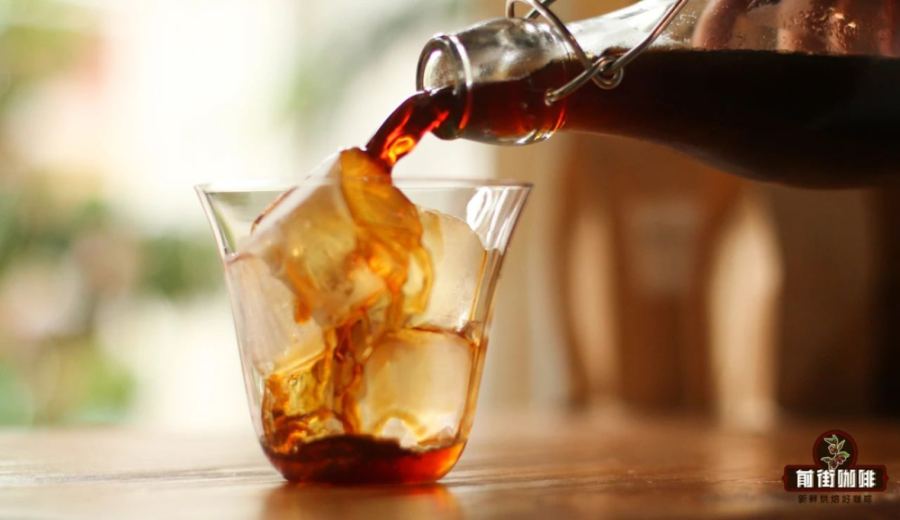
Introduction:Iced drip coffee is beloved for its unique fermented wine-like aroma and rich body, but this flavor does not come from alcohol — it’s the result of cold extraction and low-temperature aging. This article will delve into the key brewing parameters of iced drip, including coffee-to-water ratio, drip rate settings, and aging conditions. It will also explain why freshly extracted iced drip should not be consumed right away, and how low-temperature environments can help coffee express intense fruity notes and wine-like richness. Whether you're a beginner or looking to refine your technique, you'll gain expert-level insights into making iced drip here.
When you first taste iced drip coffee, that deep and lingering fermented wine-like aroma is often the most eye-catching feature, even leading some to think brewing alcohol has been added. But in reality, this captivating flavor comes entirely from the unique extraction and aging process of iced drip — no extra alcohol is added. Next, we’ll break down every step of iced drip coffee, from brewing to aging, to help you master the keys to crafting a cup that balances fruity notes and wine-like elegance.
Many who try iced drip for the first time are amazed by its “clean, rich, and smooth” mouthfeel, but the most unforgettable aspect is undoubtedly the intense and long-lasting wine-like aroma. Some wonder, “Is there alcohol mixed in? Or does the bean itself have a boozy taste?” The answer is actually quite simple — it’s all the result of the unique extraction logic of iced drip and subsequent low-temperature aging working together.
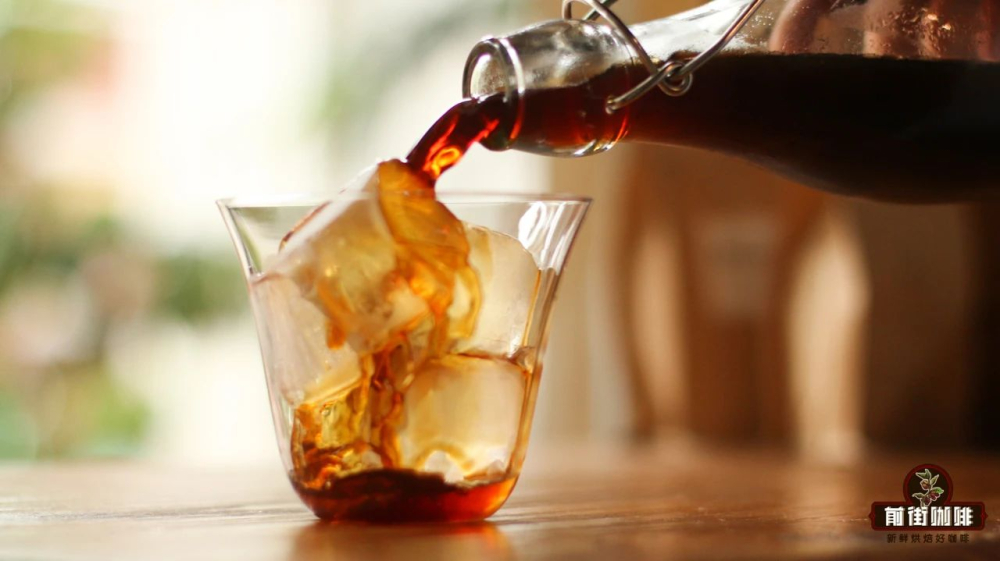
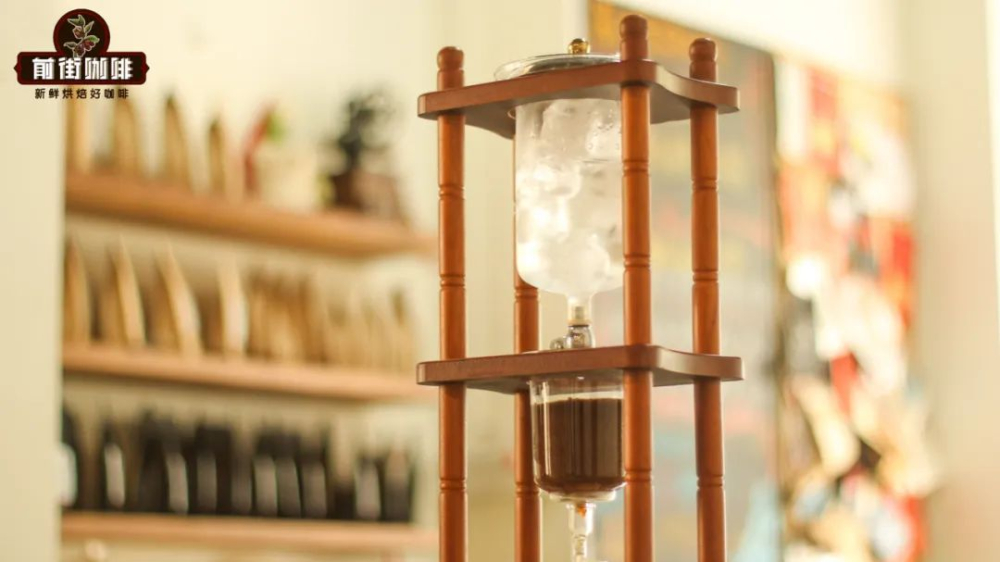
Unlike common hot water brewing methods, iced drip is a type of cold brew. Its core lies in using cold ice water to slowly penetrate the coffee grounds, extracting flavor compounds drop by drop. This extraction method is far less efficient than hot water brewing, hence it requires more time to accumulate sufficient flavor. For example, cold brew coffee usually needs about eight hours of steeping, while iced drip takes even longer. Its name directly reflects the process: allowing ice water to drip drop by drop through the coffee bed to complete extraction.
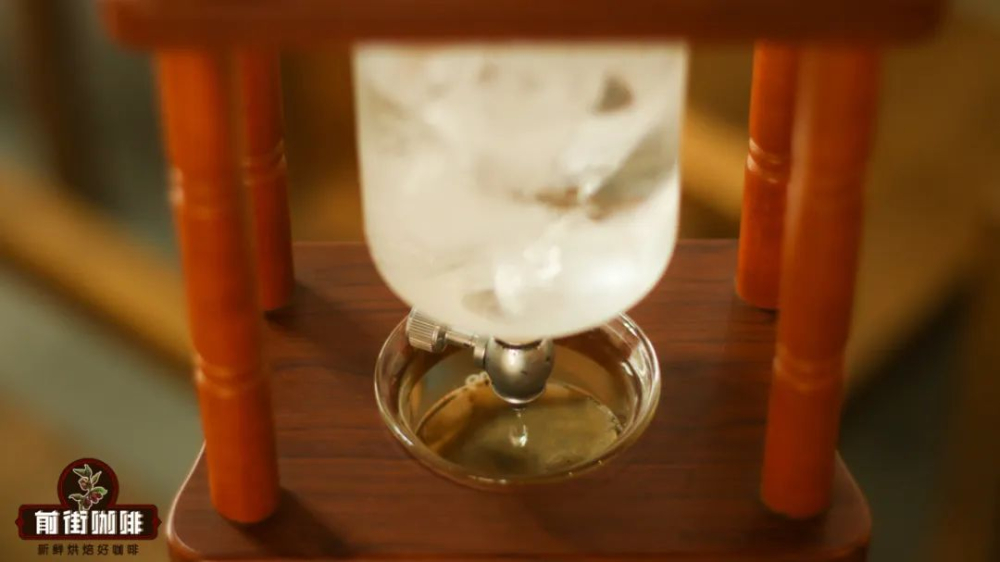
In practice, it’s recommended to use 60 grams of coffee grounds with a 1:10 coffee-to-water ratio, which means extracting about 600 milliliters of coffee liquid. This ratio achieves a better concentration performance. As for the drip rate, you can control the ice water dripping speed at 7 drops per 10 seconds, so the entire extraction process will take about 5 to 6 hours. However, during this time, you need to occasionally monitor whether the drip rate changes due to water level drops, and adjust if necessary to maintain stable extraction.
It’s worth mentioning that even after the dripping is complete, don’t rush to taste it right away. At this stage, the iced drip often tastes thin and may even have a slight astringency, similar to an under-extracted state. So why can’t you drink it immediately? The answer lies in the crucial step of “low-temperature aging.”
After iced drip is completed, it is recommended to place it in the refrigerator for aging. This process helps flavors develop further, transforming the coffee from initially flat to having a full juiciness, smooth mouthfeel, and intense fermented wine-like aroma. If you prefer coffee with mature fruit characteristics, you might prioritize single-origin beans such as strawberry sugar, Hua Kui, blackberry, or Sidamo — these varieties can better highlight the potential of iced drip.
So-called low-temperature aging refers to fermentation driven by the slow action of microorganisms in a relatively cool environment. Because low temperatures suppress microbial activity, it takes longer to complete fermentation, but this also gives the coffee a more delicate and layered expression. However, strict hygiene control is required during this process to prevent spoilage due to contamination by stray microbes.
It is generally recommended to pour the iced drip into a sealed glass container before refrigerating. This not only slows down the fermentation rate but also helps inhibit the growth of undesirable microbes, similar to the preservation principle of anaerobic fermentation. Typically, after about 8 hours of aging, the iced drip will exhibit clean, smooth, and rich qualities, along with noticeable fruit aromas and wine-like notes. Extending the aging to 12 hours allows flavor layers to integrate further, resulting in a complex profile akin to fruit wine — a recommended aging duration favored by many coffee enthusiasts.
Although low temperatures and sealing can effectively reduce spoilage risks, iced drip is still not suitable for long-term storage. Especially when the bottle cap is repeatedly opened, it becomes easier to introduce stray microbes. To ensure drinking safety and optimal flavor, it is recommended to consume the iced drip within five days of brewing. This way, you can enjoy its wonderful taste while also taking health considerations into account.
The above content is compiled by CoffeeHunters, a coffee news website.


