







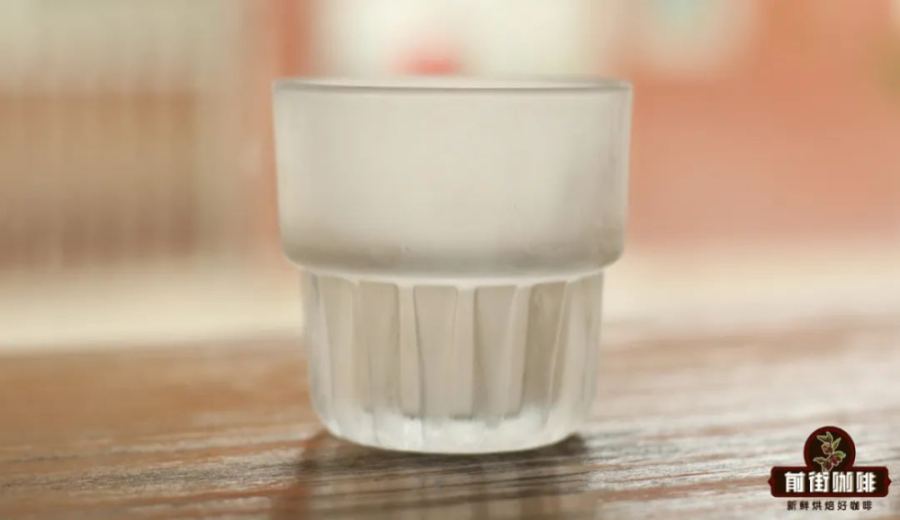
Introduction:Dirty coffee has become a favorite among many coffee enthusiasts for its striking visual contrast of hot and cold, as well as its bold layered flavors. However, when making it at home, many often fail to recreate the authentic café experience due to overlooking a crucial step: pre-chilling the glass. This article delves into the origins of the name “Dirty,” the core principle of hot and cold collision, and explains in detail the importance of the chilled glass and the correct preparation process, guiding you through practical techniques and key considerations for recreating it at home.
In recent years, Dirty coffee has become a hot topic in the specialty coffee scene. Its greatest appeal lies in the visual impact created by the collision of ice and hot coffee, along with the dual experience of rich coffee aroma and a cool, refreshing taste. However, many people attempting it at home often overlook the seemingly simple yet vitally important step of “chilling the glass.”
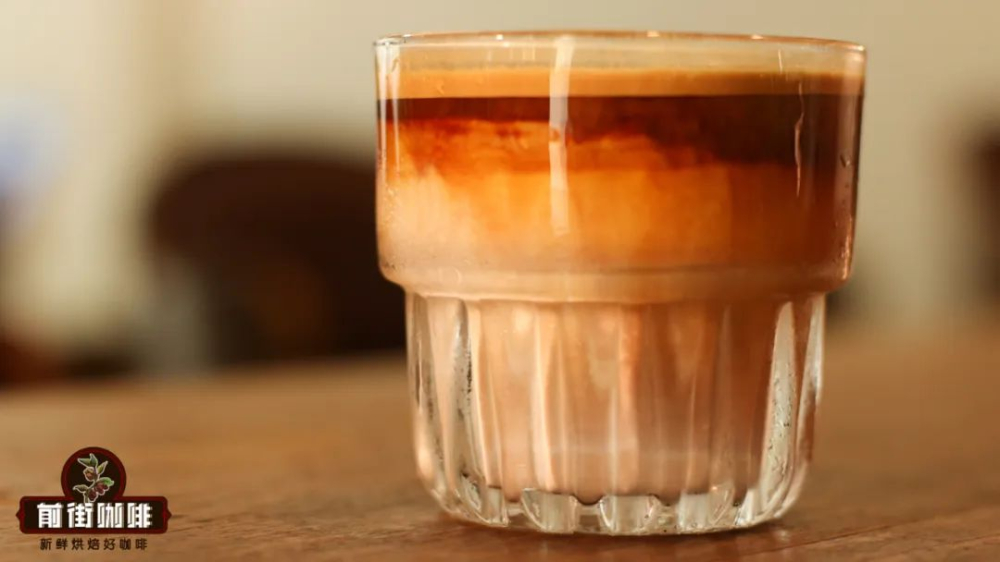
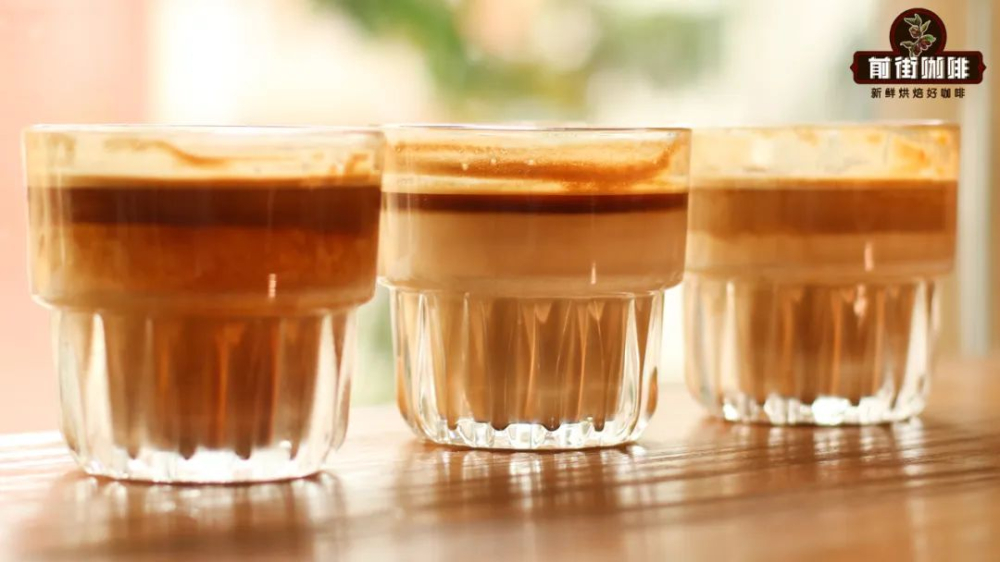
The term “Dirty” originates from the English word meaning “unclean,” describing the visual effect created when hot fresh milk coffee is poured directly into an unchilled glass with ice, resulting in a layered gradient that looks like a “stain.” The most distinctive feature of this drink is that it is not stirred, allowing the drinker to experience the transition from hot to cold, and from strong to mild, sip by sip.
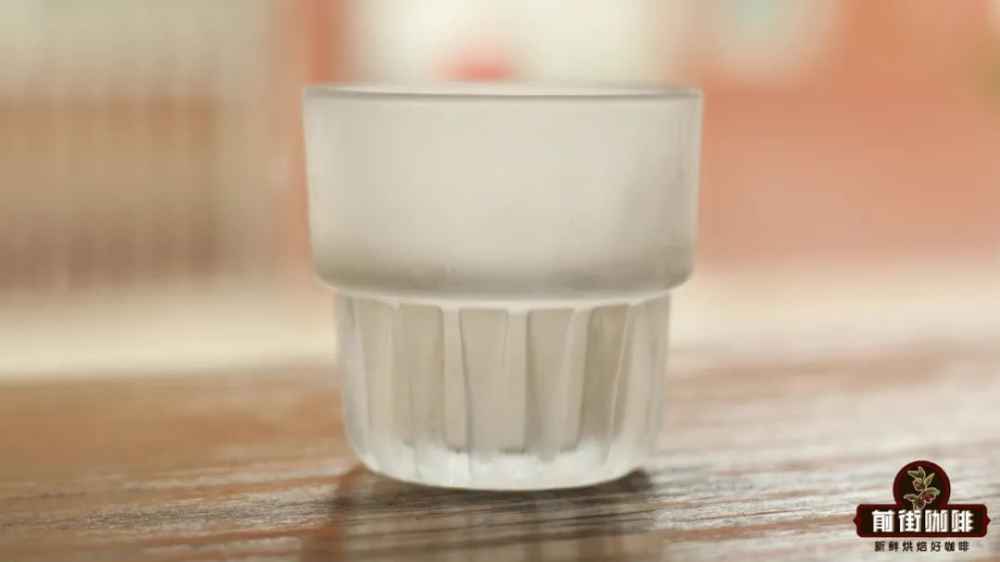
Why is chilling the glass so critical? When hot coffee is poured into a room temperature or slightly warm glass, the temperature of the glass itself quickly affects the coffee, causing the overall flavor to dissipate prematurely and accelerating the melting of the ice, which in turn dilutes the coffee’s richness. A pre-chilled glass effectively slows down the cooling of the coffee, preserving the integrity of its flavors while also making the cooling effect of the ice more pronounced.
To make a satisfying Dirty coffee, start by preparing a suitable glass. It is recommended to use a transparent glass with a capacity of about 300–350 ml, which allows for a clear view of the layering between the coffee and ice. The key to chilling the glass lies in placing it in the refrigerator for about 15–20 minutes in advance, or filling it with ice and then pouring the ice out, ensuring both the inner and outer walls of the glass reach a sufficiently low temperature.

Next comes the selection and brewing of the coffee. Dirty typically uses espresso as its base, and it is recommended to brew a double shot (about 60 ml), controlling the extraction time between 25–30 seconds to achieve a rich and balanced flavor.The grind size of the coffee beans should be adjusted to medium-fine or slightly finer to increase extraction pressure and flavor concentration..
Once the espresso is brewed, immediately pour it slowly into the pre-chilled glass, then quickly add a large piece of ice prepared in advance (it is recommended to use a single large ice cube or 3–4 medium-sized cubes, to avoid too many small cubes that would dilute the coffee too quickly). This process should be done swiftly and steadily to maintain the visual contrast between the hot coffee and the ice.
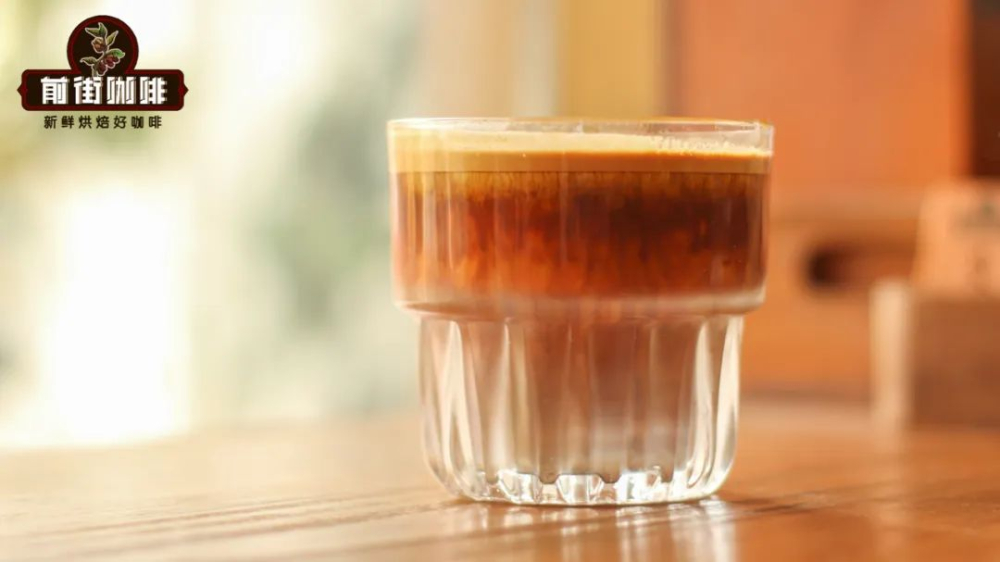
There are several common pitfalls to be aware of: first, do not use a glass that is too small, as this can lead to an excessive amount of ice affecting the overall proportion; second, avoid using overly fine ice cubes, as they melt too quickly and will severely dilute the coffee; lastly, never add milk or other liquids before pouring in the coffee, as this will ruin the unique layered effect of the Dirty.
When recreating Dirty at home, you can also make minor adjustments based on personal taste. For example, those who prefer a richer flavor can choose a dark roasted coffee bean, while those who enjoy a fresher taste can try light or medium roasted beans.The recommended ratio of coffee to ice is maintained between 1:3 to 1:4, ensuring there is enough cooling time during drinking without excessive dilution..
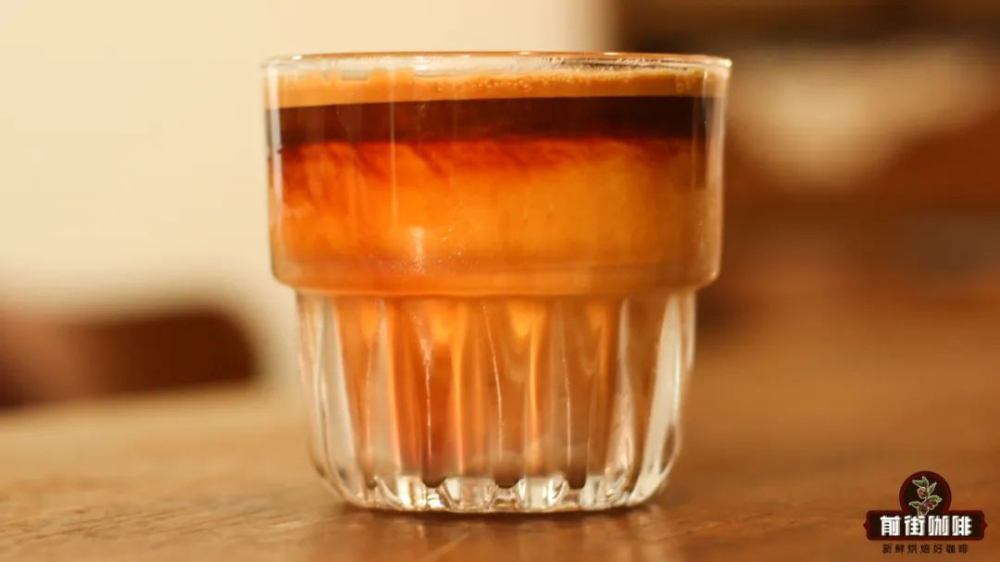
Besides the traditional method of making Dirty, you can also try some variations—such as using cold brew as the base to create a smoother taste, or adding a small amount of syrup to adjust the sweetness to suit different preferences. No matter how you vary the recipe, the step of chilling the glass remains essential to ensuring the final flavor presentation.
In summary, the charm of Dirty coffee lies not only in its unique visual effect but also in the complex taste experience brought about by the alternation of hot and cold. To perfectly showcase this characteristic, the step of chilling the glass must not be overlooked. Through proper preparation of the chilled glass, coffee brewing, and pouring techniques, it is possible to create a Dirty coffee at home that rivals the quality found in professional cafés.
The above content is compiled by CoffeeHunters, a coffee news website.


