








Introduction:The washed processing method is one of the most esteemed green bean processing techniques in the specialty coffee world, renowned for its clean and bright flavor profile. As the market evolves, variations such as double washed, K72, and dry fermentation have emerged one after another. How exactly are these processes carried out? What are the key differences from traditional washed processing? This article breaks down the various washed processing methods in an accessible way, exploring the interconnections between fermentation time, water usage, and flavor expression to help you understand the essence of a cup of coffee starting from green bean processing.
The washed processing method, also known as the wet process, is one of the most classic and common methods for processing coffee green beans. The core of this method lies in thoroughly removing the outer fruit pulp and mucilage before the coffee beans enter the drying stage. Not only does this effectively improve the hygiene and efficiency of overall production, but it also gives the coffee a cleaner and brighter cup profile, making it highly favored by coffee enthusiasts worldwide.
With the rise of the specialty coffee trend, consumers are paying more and more attention to the connection between origin, processing method, and flavor. Many coffee farmers and processing mills have introduced special washed variants to highlight their unique characteristics, such as "double washed," "K72 washed," and "dry fermented washed." While these methods may sound novel, they are actually built upon the foundation of traditional washed processing, with adjustments made specifically to the fermentation process. This article will start with historical background and gradually guide you through the practical operations and flavor impacts of these methods.

The so-called washed method, also known as the wet process (in English), refers to the process where, before the coffee cherries are dried, the outer skin and pulp are first removed mechanically or manually, followed by fermentation and washing to remove the sticky mucilage, ultimately leaving behind clean coffee beans for drying. This method is particularly suitable for operation in regions with high rainfall and humid climates, as it can effectively reduce the risk of microbial contamination during fermentation.
The history of the washed processing method can be traced back to the 19th century in the West Indies, especially in Jamaica, where it was widely used and referred to as the West Indian Process (WIP). At that time, the mainstream sun-dried processing method (known as Oost Indische Bereiding, or OIB) was gradually replaced by this "remove the pulp first, then dry" approach due to the region’s humid and rainy conditions, which were not conducive to drying. It is recorded that in 1845, James Meacock of Kingston, Jamaica, even applied for a patent for the first coffee pulper, greatly promoting the popularization of washed processing technology and laying the foundation for subsequent mechanized processing.
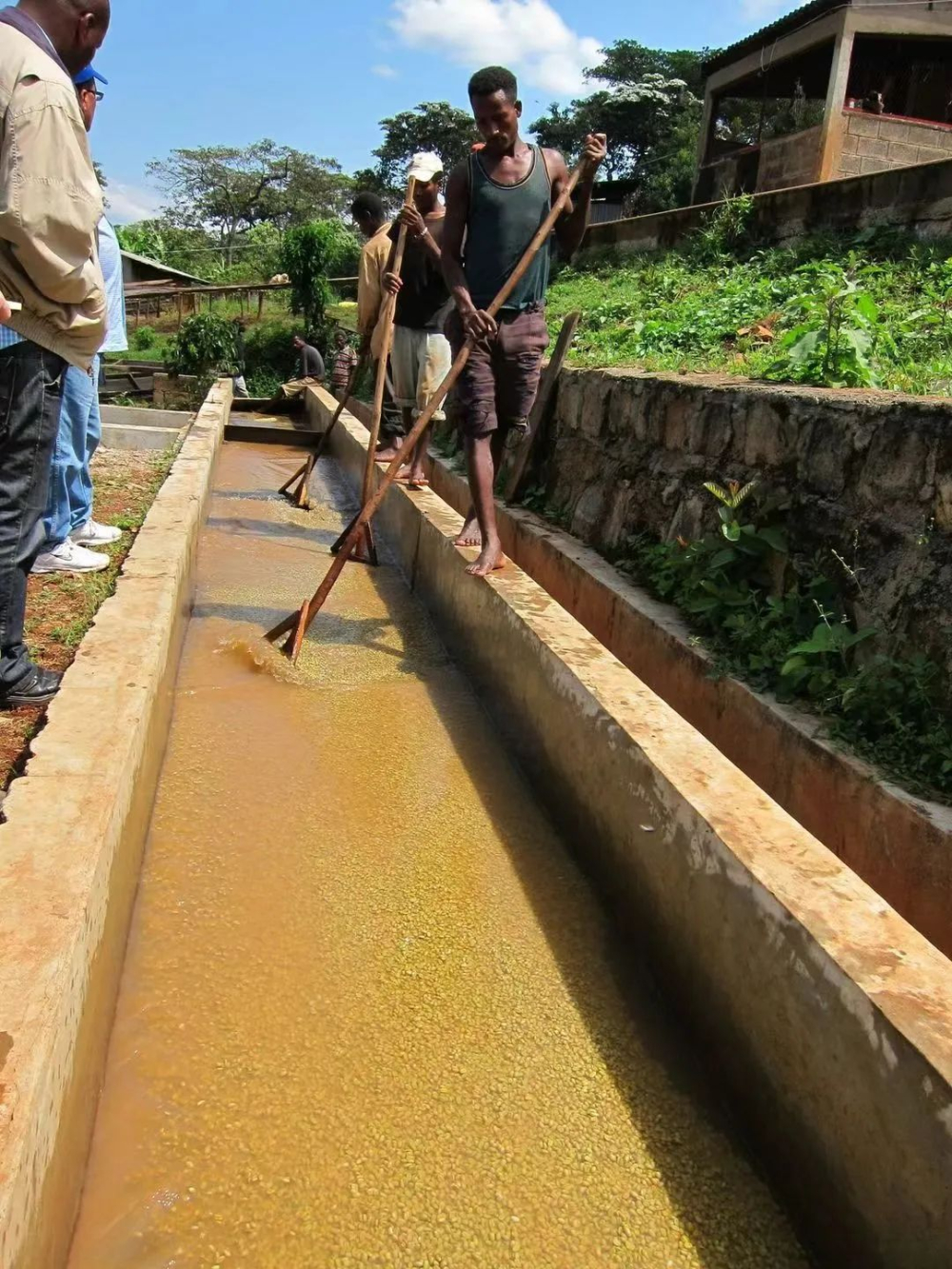
The traditional washed process can generally be divided into the following steps: flotation (removing unripe or defective cherries), depulping (removing the outer pulp), fermentation (breaking down the mucilage), washing (removing residual mucilage), drying (reducing to the target moisture content), hulling (removing the parchment), and final packaging. Among these, fermentation and washing are the most critical steps, directly influencing the final flavor of the coffee. Although this method ensures a high level of cleanliness in the coffee, it requires a significant amount of water and relatively sophisticated equipment, making it commonly found on large-scale plantations with ample capital.
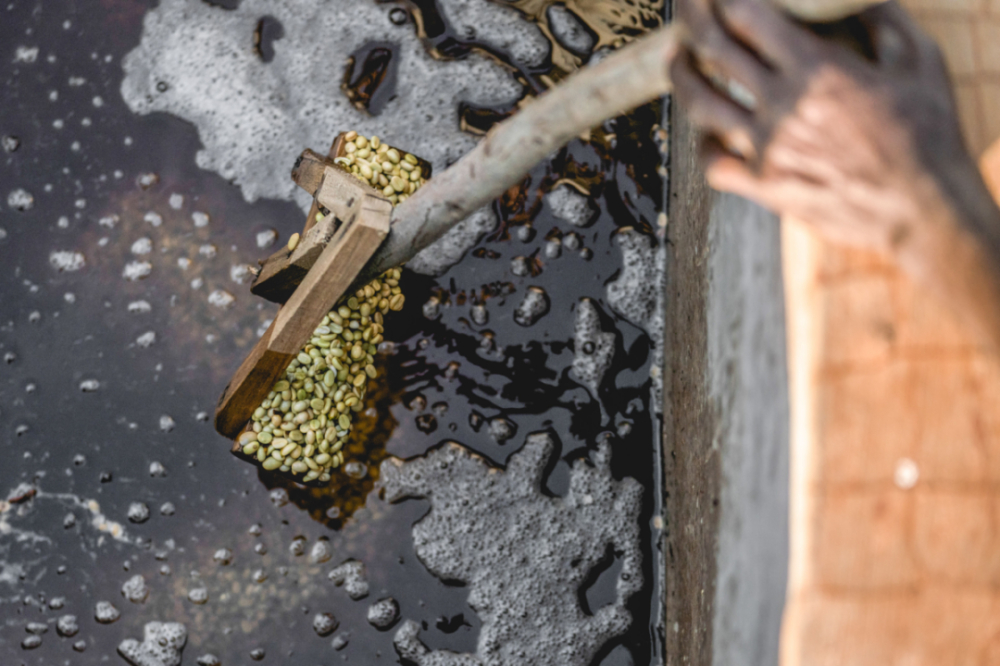
As the name suggests, "double washed" involves one additional round of washing and soaking compared to standard washed processing. This practice originated in Kenya, where the harvest season is concentrated and cooperatives are large in scale, often leading to a shortage of drying space. To prevent the fermented coffee beans from deteriorating or becoming contaminated while waiting to be dried, farmers would soak the depulped parchment beans in clean water for a second time to wash and cool them before proceeding to the final drying process.
Locally, this method is also referred to as Double Washed, Fully Washed, or Double Fermentation, and is even considered representative of the Kenyan processing style. Although initially adopted for practical reasons, it was later discovered that coffee beans that undergo double washing and soaking not only demonstrate better stability but also often exhibit finer, more layered fruity acidity. As a result, it has gradually become a processing method chosen for many high-end coffees, and similar approaches can even be seen in some coffee-growing regions in the Americas.
The K72 washed method takes the traditional and double washed methods a step further by placing greater emphasis on precise control of fermentation time. This process ferments the parchment beans in three stages, each lasting 24 hours, totaling 72 hours — hence the name. The typical procedure is as follows: after the first 24-hour fermentation, the mucilage is washed off, then the beans are placed in a clean water tank for the second 24-hour fermentation, followed by another wash. Finally, after the third 24-hour fermentation, the beans undergo a final wash and drying. This long, segmented fermentation process fully extracts acidic compounds from the beans, resulting in coffee with bright acidity and clear layers — a hallmark of many specialty coffee farms. For example, an Ashelia produced in a certain region, processed using the K72 method, exhibits unique acidic and fruity notes reminiscent of cherry tomatoes and black plums.
Dry fermented washed processing is a method that has emerged in recent years to reduce water waste and environmental impact. Compared to traditional wet processing, which relies heavily on large amounts of clean water for fermentation and washing, dry fermentation places the depulped parchment beans directly into a fermentation tank without adding water or with only minimal amounts, allowing the beans to ferment in a relatively dry environment for 6 to 8 hours — somewhat similar to the initial stage of honey processing. After fermentation, the beans are rinsed with clean water to remove residual mucilage, followed by drying.
The advantage of this method lies in its water-saving nature, and because the fermentation environment is relatively enclosed, it reduces interference from external microbes. It can sometimes also bring out a rounder, fuller sweetness. While the flavor may not be as exceptionally clean as traditional washed processing, it gains a bit more body and complexity. Dry fermentation is also often regarded as an environmentally friendly and sustainable processing method, and more processors are beginning to experiment with its application.
In summary, whether it's traditional washed, double washed, K72, or dry fermented, the core revolves around the process of fermentation. The differences lie in soaking duration, number of cycles, temperature control, aerobic or anaerobic environments, and even the addition of microorganisms. These nuanced adjustments are ultimately reflected in the coffee's acidity, sweetness, body, and overall cleanliness. Understanding the logic behind these processes will help you better grasp where the flavor profiles of your coffee beans come from when selecting them.
The above content is compiled by CoffeeHunters, a coffee news website.


