








Introduction:After pour over coffee cools down, both its aroma and flavor profile will noticeably decline. However, by using appropriate heating methods, some of the flavor characteristics can still be restored. This article presents practical tests where an electric stove and an alcohol lamp were used to reheat room-temperature Hua Hudie and Typica coffees to 50°C. It provides a detailed analysis of the taste differences between the two heating methods and offers useful suggestions to help you regain the drinkability of your coffee.
A freshly brewed pour over coffee undergoes irreversible changes in aroma and flavor as it transitions from piping hot to completely cooled. Especially when the coffee drops to room temperature, the aromatic compounds released at higher temperatures significantly diminish, resulting in a flat or even thin overall flavor. While it’s impossible to fully restore coffee to its just-brewed state, we can use suitable heating methods to preserve as much of the remaining aroma as possible and enhance the drinking experience.
This test focused on two common coffee beans—Hua Hudie and Typica. Both were reheated from room temperature (approximately 28°C) to 50°C using an electric stove and an alcohol lamp. The goal was to observe the resulting flavor profiles and taste differences, helping coffee enthusiasts find the most suitable method for warming their coffee.

First, let’s take a look at the coffee at room temperature: Taking Hua Hudie as an example, once it cools to room temperature, the liquid appears slightly cloudy, with a mouthfeel that is predominantly tea-like. The fruit acidity is weak, and the overall aroma is not prominent, forming a stark contrast with the bright acidity and layered complexity of the freshly brewed cup. Typica shows similar characteristics—the aroma fades, leaving only a faint nutty note, while the overall flavor complexity notably declines.
Next, we reheated both coffees using two different heating methods, aiming for a target temperature of 50°C—a range many coffee enthusiasts believe is ideal for showcasing flavors. During the heating process, it’s important to control the heat carefully to avoid localized overheating or boiling. It is recommended to use a low flame and increase the temperature gradually, stirring occasionally to ensure even heat distribution.
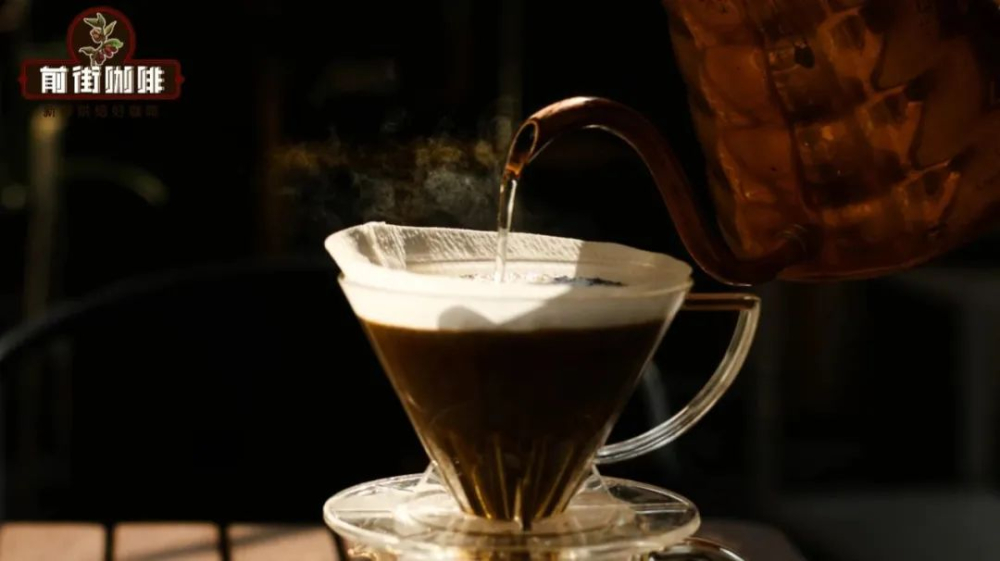
[Electric Stove Group] After heating, the Hua Hudie exhibited a flavor profile with pronounced notes of berries and citrus peel, and the overall mouthfeel leaned toward the muted side. However, no negative flavors such as burnt bitterness or astringency emerged. As for the Typica, while some nuttiness remained after being heated on the electric stove, there was also a slightly off-putting muted acidity that affected the overall balance of flavors. Although this heating method successfully raised the temperature, the more indirect heat application limited its effectiveness in reviving the aroma.
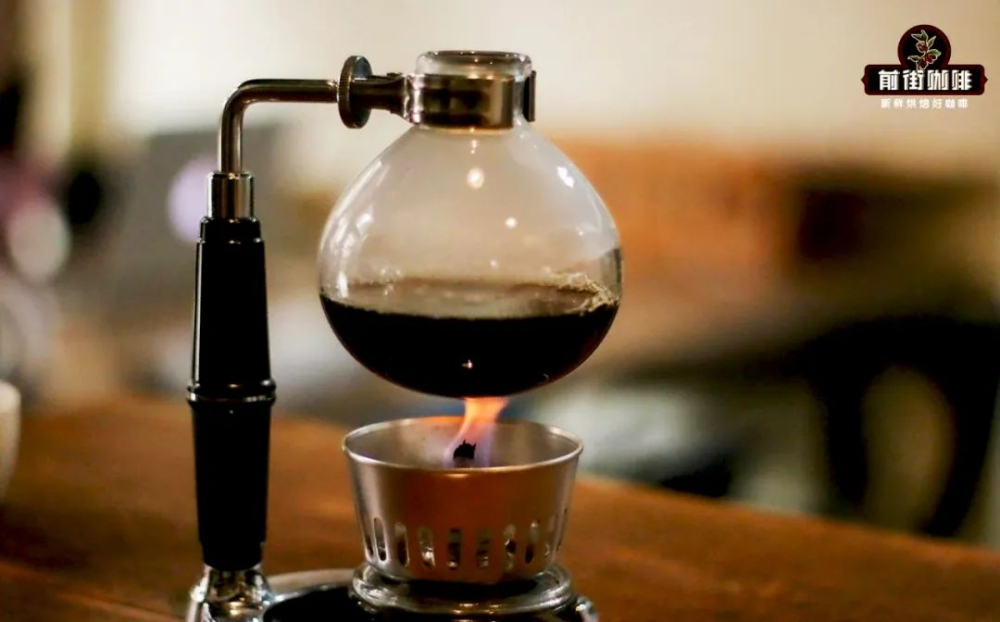
[Alcohol Lamp Group] Using direct flame heating, both coffees were warmed directly to 50°C. While the overall flavor still couldn’t match that of freshly brewed coffee, the increase in temperature significantly improved the mouthfeel. The balance between acidity, sweetness, and bitterness became more harmonious, and the texture felt smoother. In particular, the Hua Hudie displayed a more concentrated flavor profile after direct flame heating. Though not as vibrant as when hot, it was smoother and easier to drink. The Typica showed a consistent nutty and chocolatey character, delivering a stable overall performance.
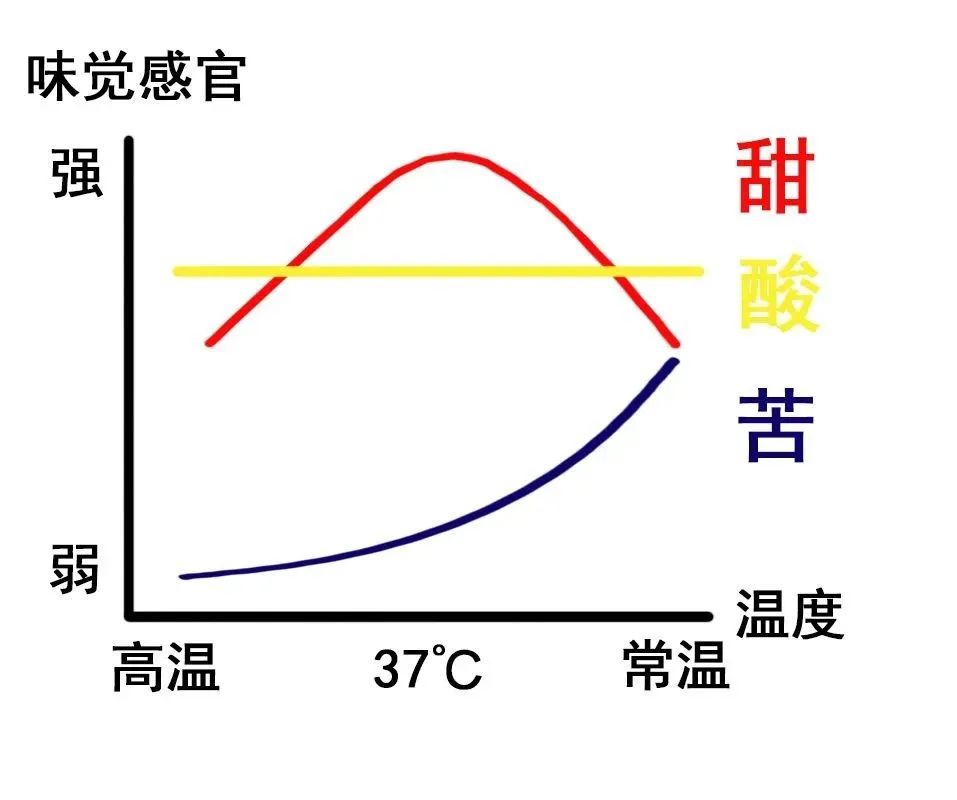
The test results show that whether using an electric stove or an alcohol lamp, reheated coffee may not fully regain its original rich aroma, but both methods effectively improve the degradation in mouthfeel caused by cooling and enhance overall drinkability. Direct flame heating, in particular, had a more significant impact on adjusting the mouthfeel due to its more direct effect on the liquid itself.
Additionally, the test found that excessive heat or prolonged heating can easily lead to burnt bitterness or over-extracted flavors. It is recommended to maintain a low flame and stir occasionally to ensure even heating. If you don’t have access to an electric stove or alcohol lamp, a microwave can also be used as an alternative. However, be sure to apply short bursts of heating to avoid localized overheating that could damage the flavor.
In summary, if you want to restore some drinkability to cooled pour over coffee, moderate heating can indeed be effective. Choosing the right heating tool and controlling the temperature well not only improves the mouthfeel but can also bring back some of the aroma to a certain extent, making your coffee experience more complete. In the future, if you encounter issues with coffee cooling down, feel free to refer to the practical advice in this article and experiment to find the warming method that works best for you.
The above content is compiled by CoffeeHunters, a coffee news website.


