







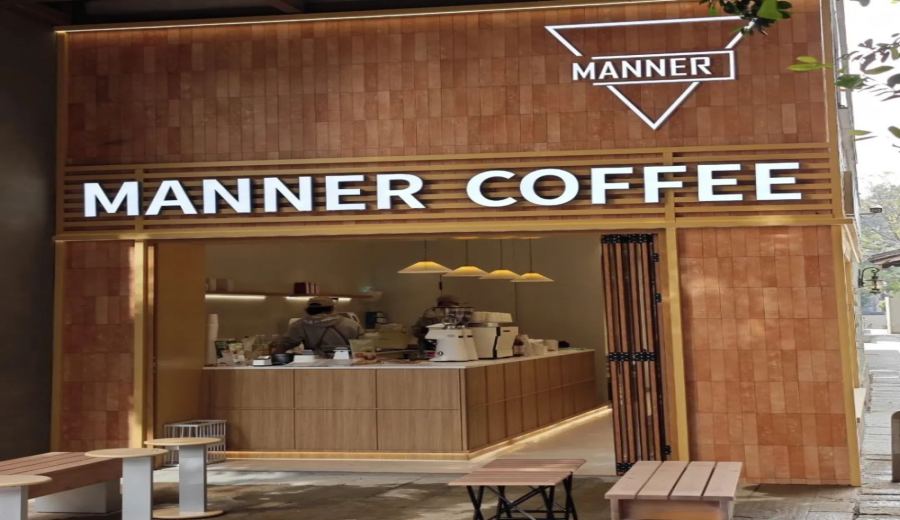
Introduction:When a customer attempted to purchase Manner’s new large-sized drink with an oversized cup but was refused—even after offering to reduce the fill volume—the incident sparked widespread online discussion. This event highlights the challenges chain coffee brands face in balancing standardized procedures with customers’ individual needs. This article delves into the considerations behind the bring-your-own-cup policy, explores the practical flexibility baristas actually have, and offers practical advice to help consumers more smoothly enjoy both eco-friendly discounts and quality coffee.
In recent years, specialty coffee has become a trend, with more and more consumers paying attention to flavor details and environmental actions. Manner Coffee, with its refined brewing techniques and unique brand positioning, has firmly established itself as a key player in China’s specialty coffee market. It has also introduced a green initiative offering a 5-yuan discount for bringing non-disposable cups, encouraging the reduction of single-use packaging.
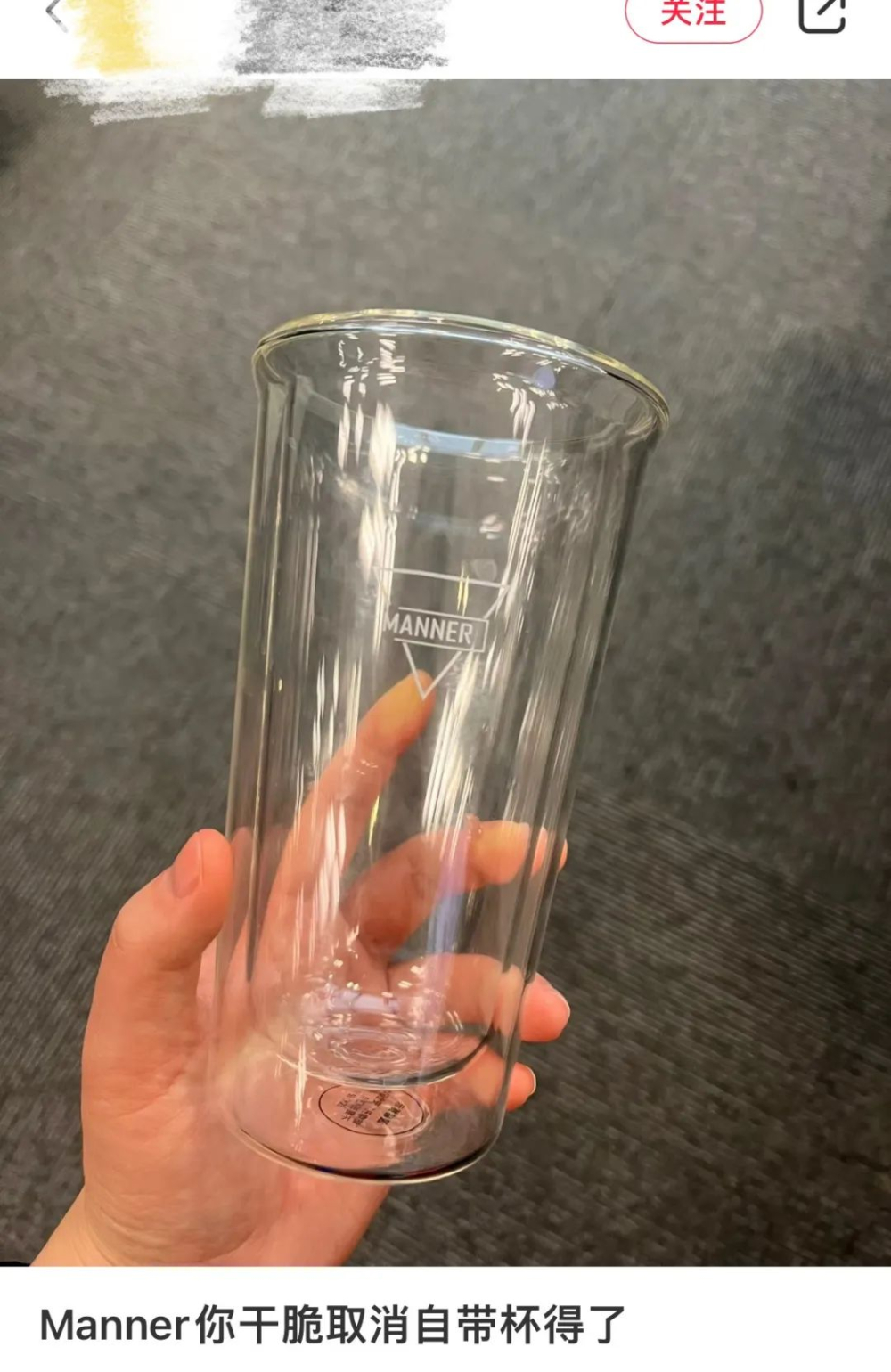
However, on February 28, a netizen shared on social media that they had brought a large-capacity cup to a store to buy the new large-sized coffee, but were turned down by the staff because the cup size exceeded the standard range—even offering to reduce the fill amount did not help. This immediately triggered extensive online discussion, with many consumers sharing their own experiences and questioning the brand’s service flexibility.
According to the netizen, they had seen Manner launch a new flavor and specifically used their own extra-large cup to make the purchase, only to be refused by the staff on the grounds that “the cup capacity does not match the product specifications,” and even their willingness to fill it less was not accommodated. This left them quite puzzled, and they remarked: “Your store is always doing buy-one-get-one-cup-free promotions, so why does bringing your own cup have to exactly match the coffee cup size?”
<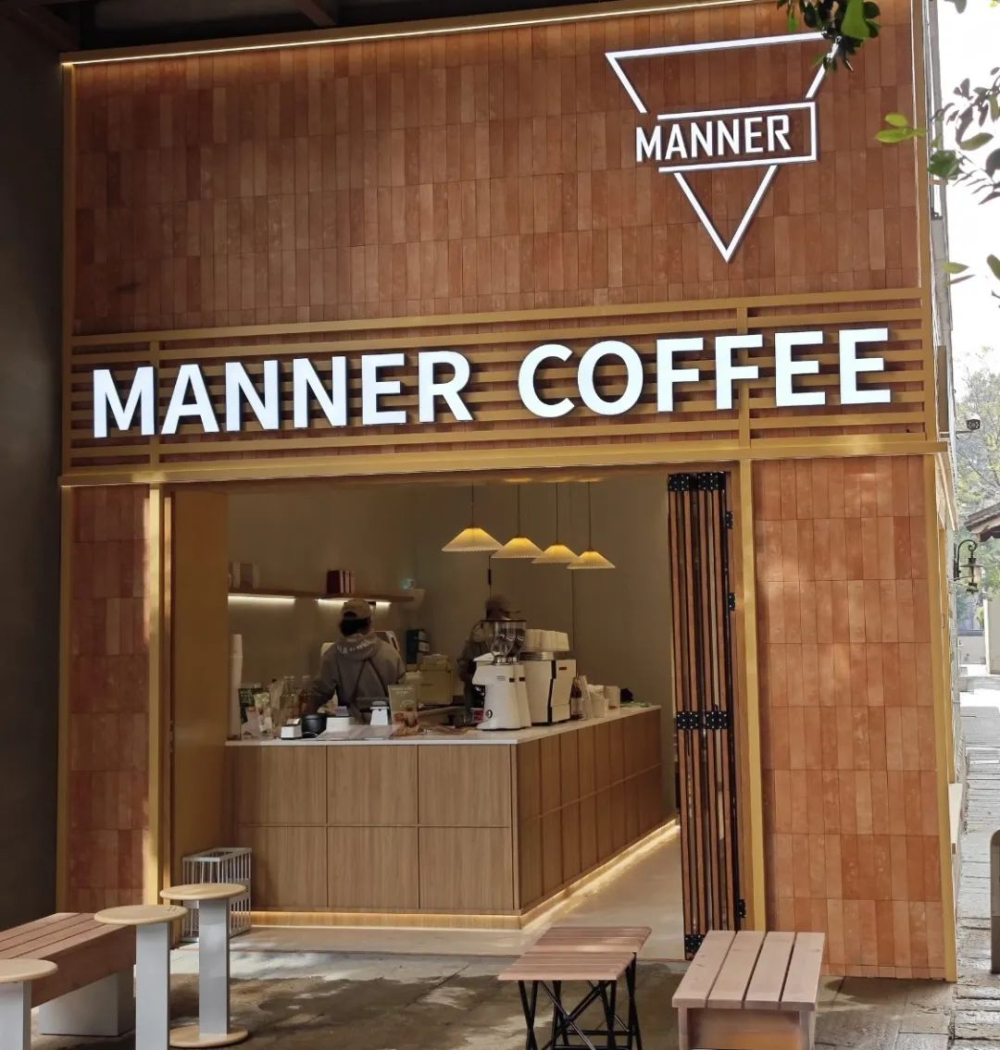 In the comments section, some netizens shared relatively positive experiences: one had brought a smaller cup and the barista, after pouring the large-sized coffee, reminded them to take a sip first, then topped up the remaining space with milk foam or milk, showing a certain degree of operational flexibility. This indicates that in actual service, some baristas do have room to adjust based on the situation, and not all stores strictly enforce cup size matching.
However, some consumers pointed out that baristas handling bring-your-own-cup size issues are often constrained by the brand’s unified recipe standards. If the capacity difference is too large, it may affect the final flavor presentation, leading to inconsistent results. Therefore, even when facing baristas who strictly follow electronic scale procedures, one should understand the training protocols behind their actions, rather than simply blaming the service attitude.
In fact, similar situations are not isolated cases. One consumer, due to personal taste preference, wanted to replace oat milk with regular milk and was willing to pay the same amount—on the first day, the request was approved by the barista, who believed that as long as the customer accepted the flavor change, it was fine; but on the second day, a different barista firmly refused the request. Such cases reflect that as chain brands expand, how to balance standardized operations with personalized service has become a major challenge.
For bring-your-own-cup users, experts recommend checking in advance whether the actual capacity of the cup is close to the specifications of the ordered drink—for example, a large cup usually falls within the 350 to 400 milliliter range, and using a container significantly larger than this may increase the difficulty for the barista. Additionally, proactively communicating a willingness to adjust the fill volume or follow the standard process can also help improve transaction smoothness.
Overall, Manner Coffee has earned market recognition for its stable quality and environmental advocacy, but as its scale continues to expand, how to further enhance service flexibility and optimize the customer experience is undoubtedly a key challenge for future development. Finding the right balance between quality control and humanized service is essential to providing consumers with a better coffee experience.
< >
The above content is compiled by CoffeeHunters, a coffee news website.


