








Introduction:Tanzanian coffee may often be overlooked, but it is renowned for its unique flavor profile and high quality. The high altitudes and volcanic soils of the Kilimanjaro region produce coffees that are rich and redolent with wine-like aromas. This article delves into the characteristics of the Typica variety, the washed processing method, and provides professional-grade brewing parameters along with flavor descriptions — making it a comprehensive guide to understanding premium Tanzanian coffee.
Though not as commonly discussed in coffee circles as Ethiopia or Kenya, Tanzania holds an important place on the African coffee map and was even once praised by Europeans as the “gentleman of coffee.” The country’s coffee is primarily grown in the Kilimanjaro mountains and southern highlands — regions blessed with high elevation, fertile volcanic soil, and pristine glacial water. These elements come together to create a distinctive flavor profile that is rich in body, gentle in acidity, and deep with wine-like aromas.
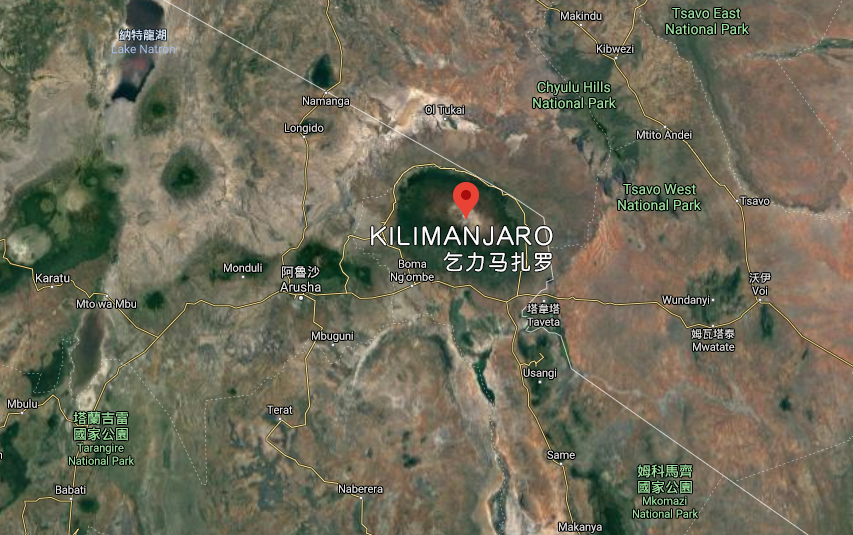
Located in East Africa, south of the equator, Tanzania features a terrain dominated by plateaus and mountains, borders the Indian Ocean to the east, and shares boundaries with eight countries including Kenya and Uganda. The land slopes from northwest to southeast, with the Great Rift Valley running through its heart, and is home to Mount Kilimanjaro, which at 5,895 meters is the highest peak in Africa. Such topography and climate provide ideal conditions for cultivating high-quality coffee.

Tanzania’s coffee-growing areas are mainly concentrated in the high-altitude regions of Mount Kilimanjaro and the southern part of the country, with approximately 85% produced by smallholder farms. Mount Kilimanjaro, an extinct volcano covered in snow year-round, has coffee-growing zones distributed between elevations of 1,050 to 2,500 meters. The combination of high altitude, volcanic soil, and clean meltwater results in coffee with rich layers and a solid structure.
Coffee from the Kilimanjaro region is typically harvested between July and December each year, with main varieties including Bourbon, Typica, and Kent. These varieties, when grown at high altitudes, can exhibit more complex aromas and depth.
Typica is one of the oldest and most genetically significant varieties of Arabica coffee in the world. It grows tall but yields relatively low, and is susceptible to diseases. However, when planted in suitable high-altitude environments, it can deliver exceptional flavors. Particularly in regions like Kilimanjaro, Typica produces coffee beans with soft acidity, pronounced sweetness, and intense wine-like aromas. Although this variety has been largely phased out in many parts of the Americas due to disease susceptibility, it continues to be cultivated in places such as Peru, the Dominican Republic, and Jamaica — with the famous Jamaican Blue Mountain coffee being derived from Typica.
Most of Tanzania’s coffee is grown by smallholders, and after harvest, the coffee cherries are usually sent to nearby processing facilities. Washed processing is the most common method, and the process includes: first soaking the cherries in water tanks for flotation to remove unripe or defective beans; then using a pulper to remove the outer skin and pulp, leaving the beans coated with a sticky layer of mucilage; next, the mucilage-covered beans are placed in fermentation tanks where microbial activity over 16 to 36 hours naturally breaks down the mucilage; after fermentation, the remaining mucilage is thoroughly rinsed off with plenty of clean water; finally, the clean beans are evenly spread out on drying beds to dry.
This processing method imparts a balanced acidity and sweetness, medium body, and pronounced sweetness with spicy undertones, ultimately delivering a complex flavor profile that includes citrus, honey, berries, nuts, and a hint of tea-like notes.
If you’d like to brew Tanzanian washed Typica coffee at home, you can follow these professional recommendations: use a V60 dripper, with a coffee-to-water ratio of 1:15, and water temperature controlled around 92°C. These parameters highlight its soft acidity and delicate fruity notes. The cup presents a refreshing acidity of citrus and berries, with a sweet finish of nuts and honey. Overall, it offers a balanced and layered profile, perfect for those who enjoy tea-like flavors and medium-bodied coffees.
The above content is compiled by CoffeeHunters, a coffee news website.


