







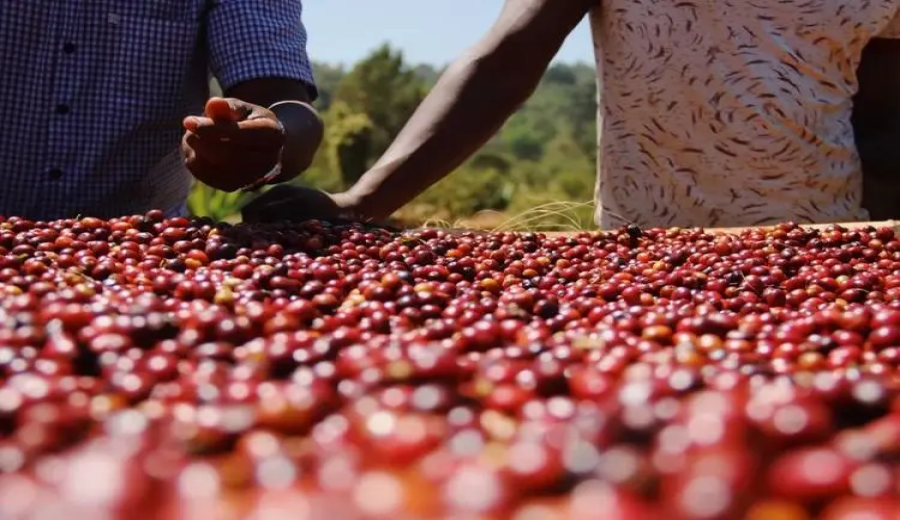
Introduction:Dive deep into the Buku Abel washing station in Ethiopia’s Guji Gomma region to uncover the flavor secrets of the top-tier natural-processed Huakui 7.0. This article takes you through the growing region’s geography, processing methods, and practical brewing parameters to explore how this highly acclaimed coffee bean transitioned from competition to market — and offers expert extraction tips to help you savor its distinctive fruity and tea-like notes.
Ethiopia is hailed as the birthplace of coffee and boasts the world’s richest genetic reservoir of coffee varieties, estimated to number between ten thousand and fifteen thousand, most of which have not yet undergone complete genetic identification. This country in northeastern Africa is dominated by highland and plateau terrain, with about two-thirds of its land area consisting of plateaus, and the East African Rift Valley running through it. With an average elevation of nearly three thousand meters, this unique natural environment, along with fertile soil and favorable climate, has established Ethiopia as Africa’s largest producer of Arabica coffee.
Due to its low level of industrialization, Ethiopian coffee cultivation is predominantly carried out by smallholder farmers. Many coffee trees are grown alongside other crops around farmers’ homes and are tended to and harvested by the farmers themselves, then delivered either via intermediaries or directly to processing stations. This traditional model accounts for more than half of the country’s total coffee production and also preserves the most authentic regional flavors of the beans.
Among the many producing regions, Guji gained recognition for its distinctive flavor profile and was separated from Sidama by the Ethiopian Commodity Exchange (ECX) in 2010 to become an independent and emerging key production area. Located in southern Ethiopia, Guji features diverse terrain including high mountains, plateaus, valleys, and plains, with volcanic soils dominating the geology and many areas still retaining pristine forests. The region has an average altitude of over 1,800 meters and significant day-night temperature variations, which help coffee cherries ripen slowly and accumulate richer flavor compounds. Hambella, as an important sub-region of Guji, is home to altitudes ranging from 2,100 to 2,300 meters and dense forests, making it the birthplace of the Huakui coffee bean.
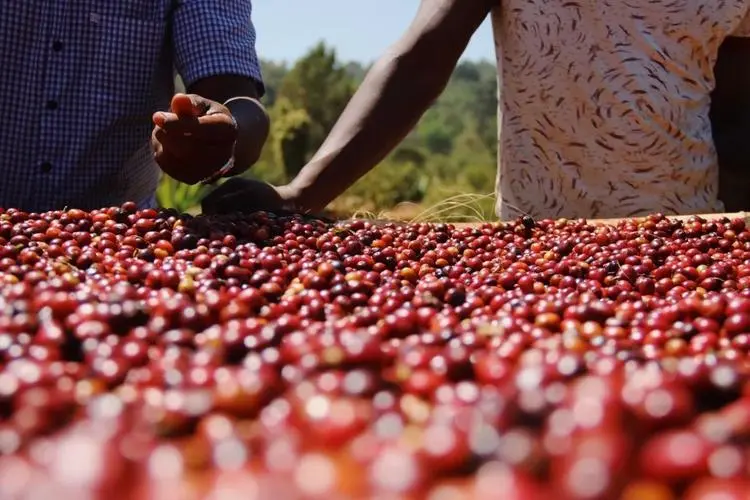
The Huakui coffee bean comes from the Buku Abel washing station under the DW company and is a specialty coffee renowned for its natural (sun-dried) processing method. In the 2017 TOH (Ethiopia National Taste of Harvest Competition), this bean won the championship with its outstanding strawberry cream flavors, quickly drawing market attention. Chinese barista Li Jianfei used this bean in that year’s China leg of the World Brewers Cup, further boosting its fame. Due to its rich berry and cream aromas, importers named it “Huakui,” meaning “the king’s consort,” symbolizing regal excellence.
Subsequently, the DW company established additional washing stations in Hambella, including Buku Saysay, Haro Soresa, and Tirtiro Goye, bringing the total annual production to approximately 1,100 metric tons. Since the launch of the Huakui series 2.0 in 2018, the series has been updated annually, now reaching version 7.0. However, as processing scale has expanded, the flavor profile of the Huakui series in recent years has diverged somewhat from the original 2017 version.
The currently available Ethiopian Guji Huakui 7.0 is produced at the Buku Abel washing station under the DW company, using high-altitude (2,250 to 2,350 meters) planted heirloom variety coffee beans processed through the natural method, showcasing the classic characteristics of African beans. Roasted to a medium-light level, it is recommended to use a V60 filter cone with a 1:15 coffee-to-water ratio and water temperature of 92°C for pour over brewing, which can fully highlight its layered flavors.
During actual brewing, you’ll first notice subtle fermentation aromas, followed by a bright acidity reminiscent of passion fruit on the palate, paired with citrus and apricot fruit notes. The finish carries a soft tea-like sensation, making the overall cup refreshing and layered. For pour over enthusiasts who enjoy a balance of fruity and tea-like profiles, Huakui 7.0 is a natural-processed specialty bean worth savoring in detail.
For brewing recommendations, it’s advised to use a grind size slightly coarser than medium-fine to extend extraction time and avoid over-extraction. Also pay attention to water quality and temperature stability to fully bring out its unique berry and citrus tones. Whether you’re a coffee novice or a seasoned enthusiast, you can experience the diverse charms of Ethiopian coffee through this Huakui 7.0 from Guji Hambella.
The above content is compiled by CoffeeHunters, a coffee news website.


