








Introduction:In recent years, an increasing number of young people returning to their rural hometowns have been integrating urban coffee culture into village life, sparking a creative trend during the Spring Festival of brewing coffee with charcoal-powered moka pots. From fire tongs and steamer racks to warming stoves, all kinds of unexpectedly alternative tools have made their appearance—even pour over setups have been given new twists. This article details the practical operation and flavor characteristics of these unconventional brewing methods, while also providing key safety reminders to help enthusiasts balance novelty with risk management.
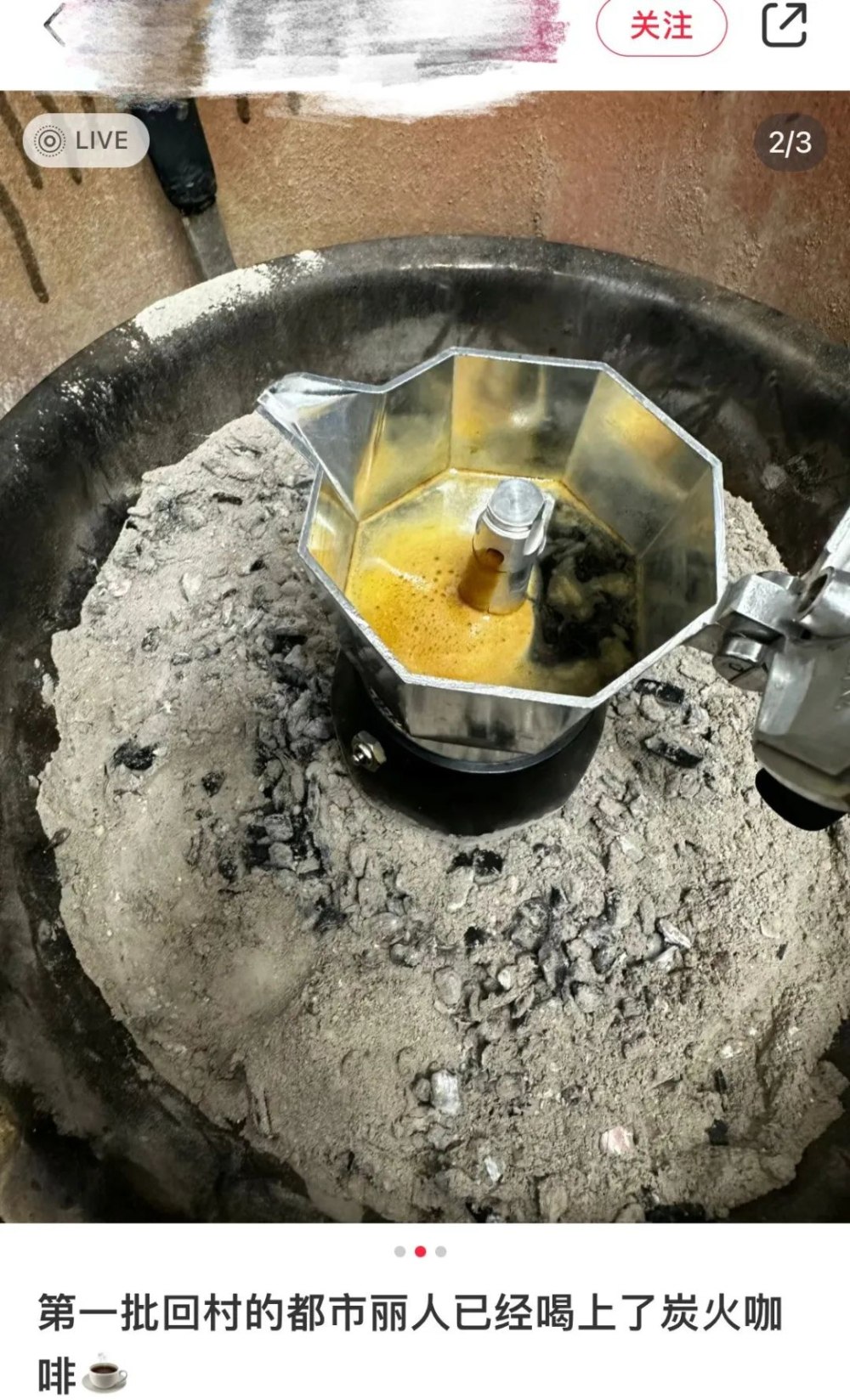
With the penetration of specialty coffee culture across the nation, many urban youth who return home for the holidays not only bring coffee back to their hometowns but also reinterpret the brewing process in creative ways. During this year’s Lunar New Year, a social media post about using a charcoal fire to heat a moka pot in the countryside stirred up heated discussion, showcasing the younger generation’s boundless imagination when it comes to coffee brewing.
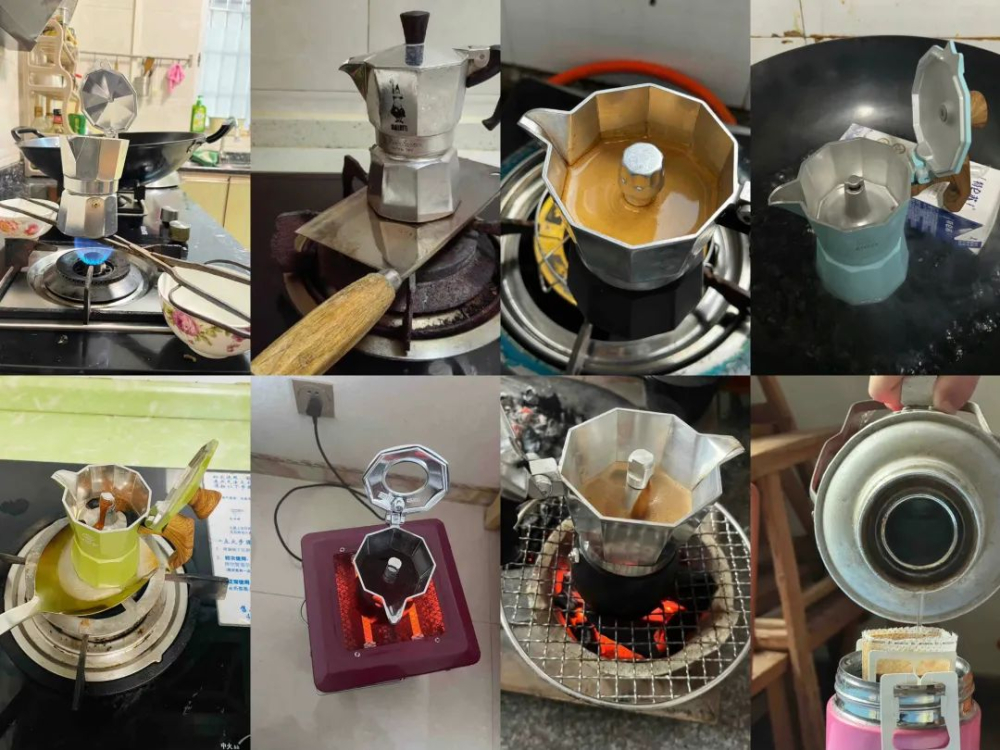
This netizen, dubbed one of the “first wave of urbanites returning to the countryside,” publicly shared their hands-on experience of directly heating a moka pot over a charcoal stove. The post quickly drew responses from many fellow returnees, inspiring a series of ingenious alternative solutions—from using fire tongs, assisting with gas stove heating, to utilizing diverse tools such as steamer racks, frying pans, spatulas, even barbecue grills, and some even used their home warming stoves to complete the brew, demonstrating remarkable adaptability and innovative thinking.

This alternative brewing method unexpectedly brought out the rich flavor profile reminiscent of rural-style Turkish coffee, with some enthusiasts describing its layered complexity as having a similar charm to traditional open-flame brewing. However, professionals caution that using a moka pot with non-traditional heat sources requires special attention to temperature control and material heat resistance—excessively high or uneven heating may cause coral-like cracks on the pot’s handle, and can even increase the risk of burns or fire. Beginners are advised to start with low-temperature, stable heat sources.
Meanwhile, pour over enthusiasts are not to be outdone, repurposing commonly found items in rural homestays such as thermos flasks, soup spoons, and even kettles into brewing tools. Some netizens even directly used traditional teapots for filtration, showcasing impressive resourcefulness. Although these creative methods may not meet precise brewing parameters, they add plenty of fun and conversation to the rural coffee experience.
Notably, some coffee lovers who have long resided in the countryside choose to bring along complete coffee setups when returning home. While enjoying the tranquility and festive atmosphere of the New Year, they are also able to consistently achieve ideal extraction flavors. Though this approach requires more preparation effort, it ensures consistent coffee quality and is suitable for advanced enthusiasts with specific flavor preferences.
Industry observers note that this wave of rural homestay coffee experiments not only reflects the younger generation’s passion for coffee culture but also highlights adaptive innovation in non-traditional environments. However, experts emphasize that regardless of the brewing method used, basic safety standards should always come first—including heat source stability, the heat resistance limits of tool materials, and personal protection during operation, to avoid overlooking potential risks in the pursuit of novelty.
In summary, from charcoal-powered moka pots to improvised pour over variations, these creative brewing methods offer a fresh perspective on the rural coffee experience and provide alternative inspiration for conventional brewing. Enthusiasts are advised to familiarize themselves with basic parameter limitations and safety precautions before trying new methods, ensuring that each brew is both enjoyable and risk-free.
The above content is compiled by CoffeeHunters, a coffee news website.


