







Introduction:Recently, global coffee bean prices have experienced intensified fluctuations, primarily due to abnormal weather in Brazil and a sharp decline in exports from Vietnam. This article delves into the supply-demand changes in these two major producing regions, exploring how weather conditions, production forecasts, and shipping situations impact the market, helping readers grasp the potential future trends in coffee bean prices and market movements.
Lately, the global coffee bean market has faced significant price volatility, mainly driven by supply-side changes in two key producing regions—Brazil and Vietnam. Some coffee-growing areas in Brazil continue to suffer from droughts and extreme weather, while Vietnam faces tightened Robusta supply and a sudden drop in February exports, exacerbating overall market instability. However, there are also some positive signals emerging in the market, including an expected rise in Brazil’s new season production and the possibility that the El Niño phenomenon may end by April, along with signs of gradual recovery in Red Sea shipping. Understanding these key factors can help anticipate the future direction of the global coffee bean market.
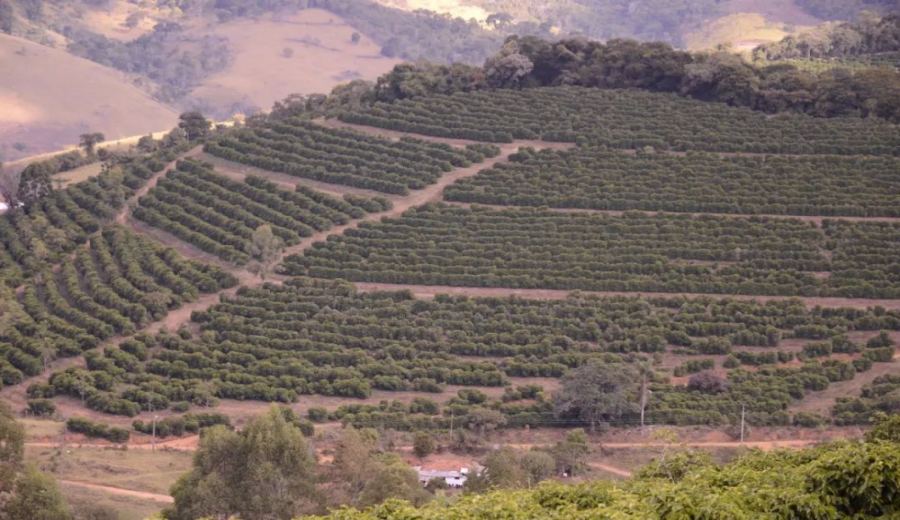
According to market data, recent international coffee bean prices have seen notable fluctuations, due to a series of adverse conditions affecting major producing countries. In Brazil, abnormal weather has led to severely insufficient rainfall in some coffee-growing regions, with temperatures in certain areas even exceeding 40°C, and erratic weather patterns posing significant challenges for farmers. In contrast, the situation in the Minas Gerais region has shown slight improvement. According to data from Somar Meteorologia, the region received cumulative rainfall of 59.5 mm over the past week, 131% above the historical average, providing some relief for local coffee cultivation.
A survey by investment banking firm StoneX indicates that Brazil’s coffee production in the 2024/25 season is expected to grow by 4.2% compared to the previous season. Although some areas have seen production declines due to drought, overall output is still on an upward trend thanks to expanded planting areas. This forecast brings a degree of confidence to the market and may alleviate pressure on future price increases.
On the other hand, Vietnam’s coffee market faces a different kind of challenge. As the world’s largest producer of Robusta coffee, Vietnam has recently encountered tight supply of this variety, directly affecting export performance. According to official Vietnamese statistics, although total coffee exports from January to February 2024 increased by 16.2% year-on-year to 398,000 metric tons, exports in February alone dropped sharply by 32.8% compared to January and fell by 20.1% year-on-year to just 160,000 metric tons. Vietnamese authorities explained that the Lunar New Year holiday in February, which halted export operations, was one of the main reasons for the decline. However, as of the 2023/24 season to date, Vietnam’s coffee exports have maintained a monthly average of about 12 million bags, reflecting a 3.96% increase compared to the same period last year.
Notably, Vietnam’s Ministry of Agriculture had previously warned that due to drought caused by the El Niño phenomenon, the country’s coffee production in the 2023/24 season could decrease by 10%, dropping to 1.656 million metric tons. With an anticipated reduction in supply, domestic coffee prices in Vietnam remain high, particularly in the Central Highlands region, where current coffee prices are between 79–81 million Vietnamese dong per ton. Fortunately, the El Niño phenomenon is expected to subside around April, when returning rainfall could help boost future production.
Additionally, international shipping conditions are another crucial factor influencing coffee bean prices. Although tensions in the Red Sea region have not completely eased, several international shipping companies have begun seeking alternative solutions and contingency strategies to reduce operational risks and costs. Shipping giant CMA CGM stated that after reassessing the situation in southern the Red Sea, it has conditionally resumed passage through the route, but emphasized that the situation remains fluid and cannot guarantee smooth resumption. Notably, one of CMA CGM’s container ships successfully transited the Red Sea under French naval escort, indicating initial signs of recovery on some routes. Meanwhile, Hapag-Lloyd has introduced inland freight alternatives, allowing ships to bypass the Red Sea area, thereby saving travel time and further stabilizing the international coffee bean transportation chain.
Overall, the global coffee bean market is currently in a complex situation shaped by multiple intersecting factors—from extreme weather in Brazil to supply adjustments in Vietnam, and changes in shipping routes—all of which significantly influence prices. Monitoring weather changes, harvest conditions in producing regions, and the progress of shipping recovery in the coming months will be key to gauging future trends in coffee bean prices.
The above content is compiled by CoffeeHunters, a coffee news website.


