








Introduction:Have you ever noticed that some espresso crema displays dark brown stripes resembling tiger stripes? This phenomenon not only makes the coffee look unique but also sparks discussions about whether it enhances the flavor. This article will delve into the reasons behind the formation of tiger-striping in espresso crema, analyze how fine particles affect the color, body, and clarity of the crema, and provide practical observation and judgment methods to help you better understand this common yet mysterious coffee phenomenon from a scientific perspective.
After pulling a shot of espresso, you often see a layer of golden, fine, and dense foam floating on the surface. This foam is what we call crema (coffee foam), one of the defining characteristics of espresso. However, you might sometimes notice uneven brown streaks across the crema, resembling the patterns on a tiger’s fur—hence the term "tiger-stripe espresso." So, how do these streaks form? What kind of flavor characteristics do they represent?
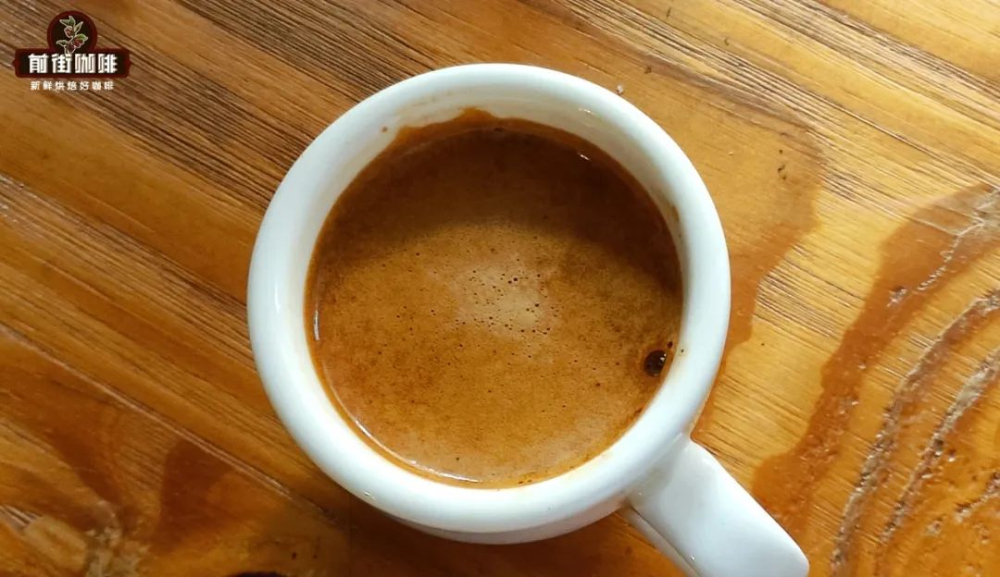
First, let’s take a look at what normal espresso crema typically looks like.Under standard extraction conditions, crema exhibits a gradient from light to dark gold, with an even overall tone and a natural transition.This layer of foam not only gives the coffee a richer texture but also contains abundant aromatic compounds and carbon dioxide, directly influencing the flavor.

The so-called "tiger stripes" refer, as the name suggests, to distinct dark brown streaks on the crema’s surface that resemble the color contrasts in a tiger’s coat. These streaks disrupt the otherwise uniform golden gradient, giving the overall appearance more layers and visual impact. But what hidden extraction secrets lie behind this change in appearance?
The formation of tiger stripes is closely related to grind size and the fineness of coffee particles. Before diving into the specifics, it’s important to know that crema is primarily a foam structure composed of carbon dioxide released under high pressure, volatile aromatic compounds, and tiny coffee particles. Among these, the very fine coffee particles—commonly referred to as "fines"—are easily carried out during extraction and distributed within the crema.
When coffee beans are ground too finely or when the grinder produces a high proportion of fines, these extremely fine particles are more likely to mix into the crema layer, forming darker-colored streaks—the "tiger stripes" we observe.These fines not only influence the color of the crema but also significantly affect the overall taste and clarity of the coffee.
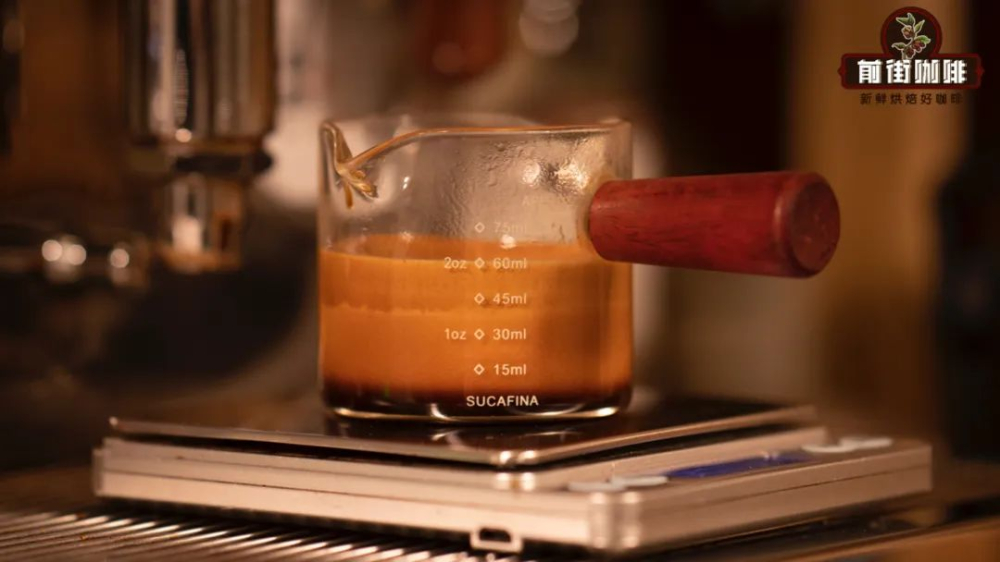
So, does espresso with tiger stripes actually taste better than regular espresso? The answer isn’t absolute, as tiger-stripe espresso and standard espresso each have their pros and cons, depending on which flavor attributes you value more.
Since fines often contain more bitter compounds, they can enhance thebodyof the coffee, delivering a richer and fuller mouthfeel—this is one reason many coffee enthusiasts consider tiger-stripe espresso to be "more layered." However, this enhancement comes at a cost.
Excessive fines can also lead to a decrease in the coffee’scleanliness. Cleanliness refers to whether the coffee’s flavors are clear and free from unwanted off-notes or grainy sensations. When the crema contains a higher amount of fines, it may not only make the mouthfeel rougher but also leave noticeable residue at the bottom of the cup—a useful tip for assessing the quality of an espresso shot.
Overall, if you prefer a richer, fuller-bodied coffee, then tiger-stripe espresso might suit your taste better. But if you prioritize clarity of flavor and a smoother overall experience, then a standard espresso with fewer fines and more evenly colored crema may be more to your liking.
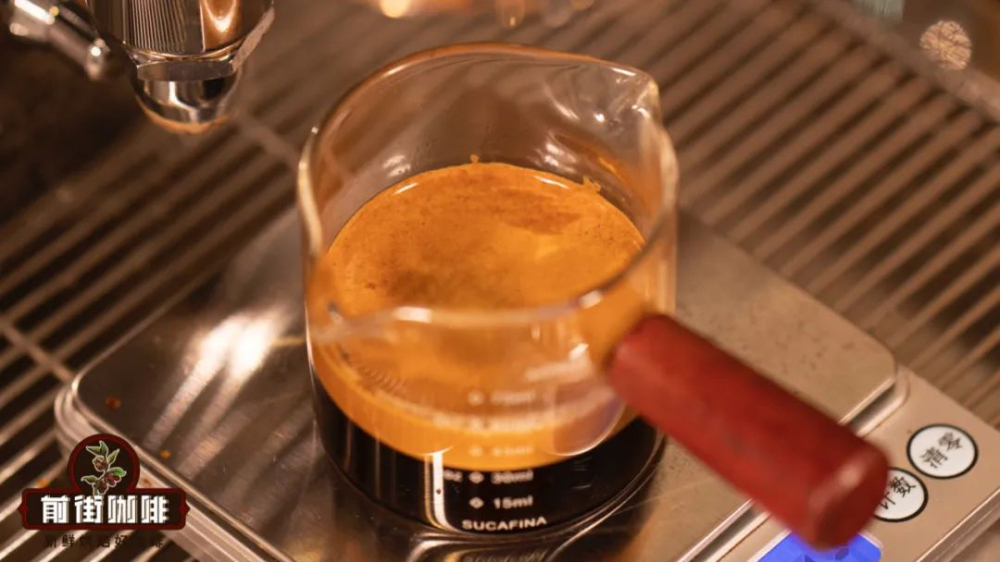
In summary, the appearance of tiger stripes is mainly caused by overly fine grinding and a high content of fines, which directly affect the color, body, and clarity of the crema. As a coffee enthusiast, understanding these details can help you make more informed judgments when tasting or brewing, and allow you to better appreciate the craftsmanship and variations behind each shot of espresso.
The above content is compiled by CoffeeHunters, a coffee news website.


