







Introduction:Just getting started with pour over coffee and feeling overwhelmed by the wide array of equipment? In fact, as long as you grasp the key points in selecting the essential gear, you can put together a practical and functional pour over setup within a reasonable budget. This article will take you through the grinder, pour over kettle, filter cone, and scale—analyzing in detail the function, selection criteria, and common misconceptions of each piece of equipment—to help you avoid purchasing pitfalls and brew well-balanced pour over coffee at home.
If you want to brew a cup of pour over coffee with captivating flavors at home, aside from the coffee beans themselves, choosing the right tools is key. Walking into an online store, the variety of pour over equipment can be dazzling, and it’s even harder to decide when your budget is limited. So which items are really worth investing in? And how should you allocate your budget to achieve the best results? In truth, the core equipment for pour over coffee boils down to just four things: a grinder, a pour over kettle, a filter cone, and a scale. As long as you understand the selection principles for these items, you can effectively improve your brewing quality.
Many people get drawn in by various designs and features when shopping and end up buying a bunch of equipment they don’t actually need—or worse, overlooking what’s truly important. In reality, by prioritizing these tools according to their importance, you can build a practical pour over system in the most economical way, making every dollar count. That way, you’ll quickly get the hang of it and enjoy the pleasure of pour over brewing.
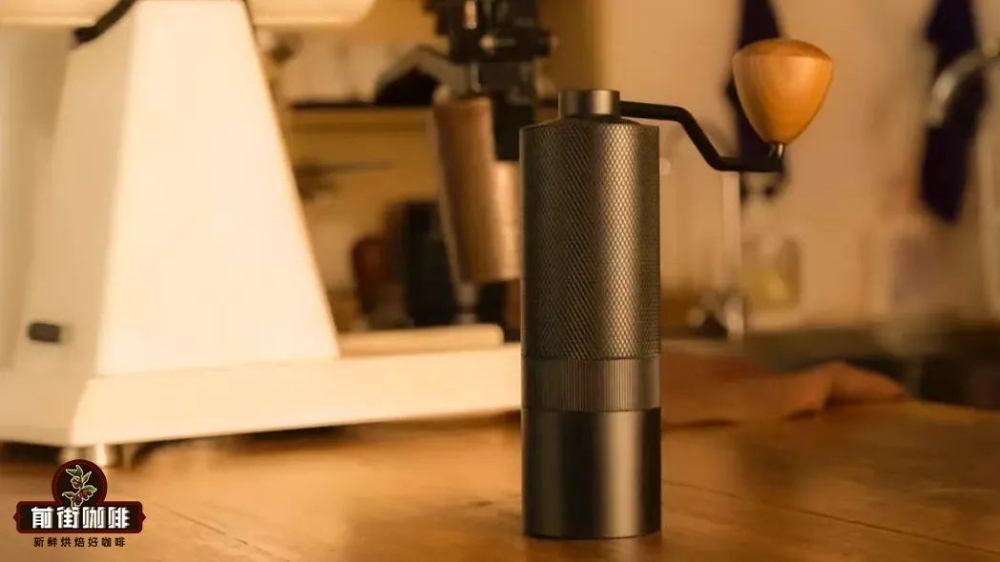
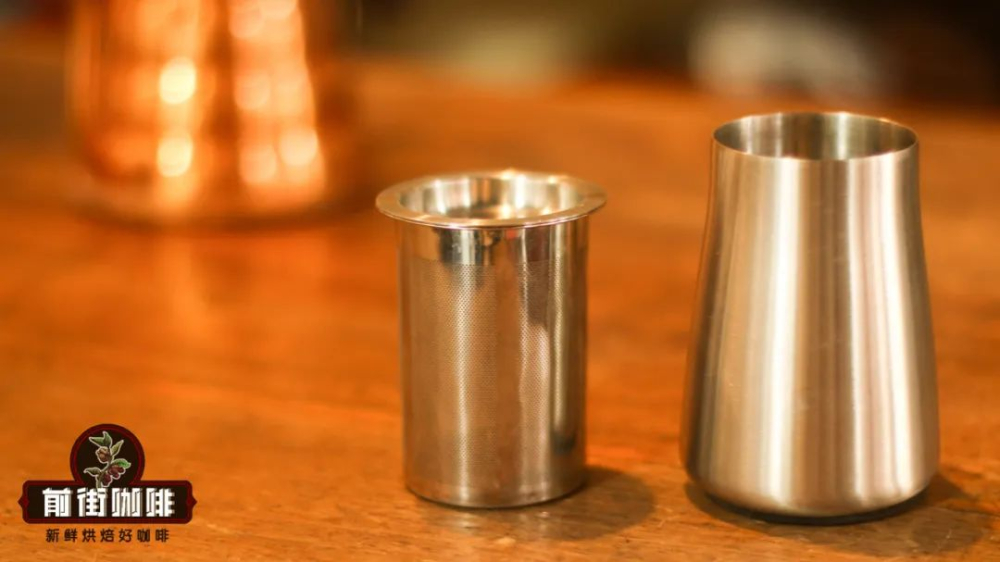
First,the grinder is absolutely the most critical component in the entire setup. How evenly the coffee beans are ground directly affects the extraction. Some products on the market may be called grinders, but in reality, they only roughly chop the beans, resulting in inconsistent particle sizes. This uneven grind leads to some coffee grounds being over-extracted while others are under-extracted, severely impacting the final flavor. Therefore, choosing a grinder that can consistently produce uniform particle sizes is crucial. It’s recommended to spend at least 200 yuan or more, as generally, the higher the price, the better the grind consistency and stability. In addition, since even the most precise grinders produce a certain amount of ultra-fine powder, it’s advisable to also use a sieve to filter out overly fine particles, preventing channeling or over-extraction.

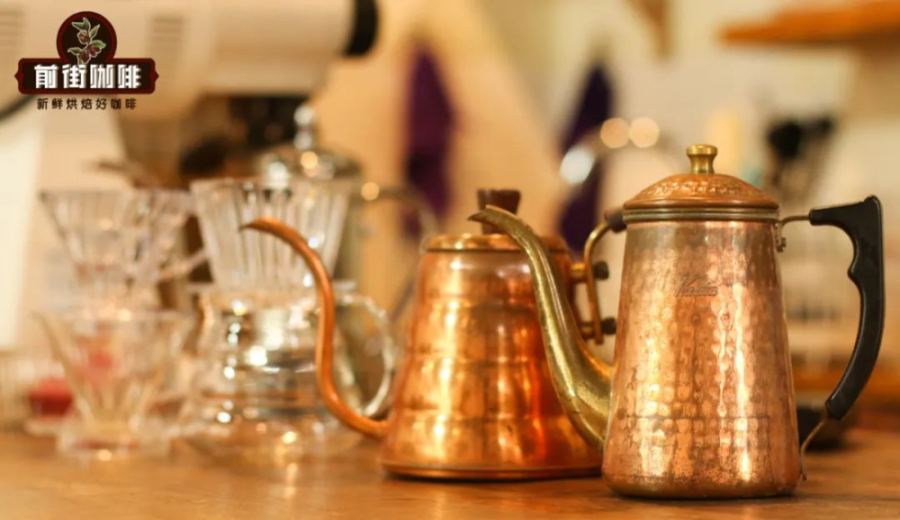
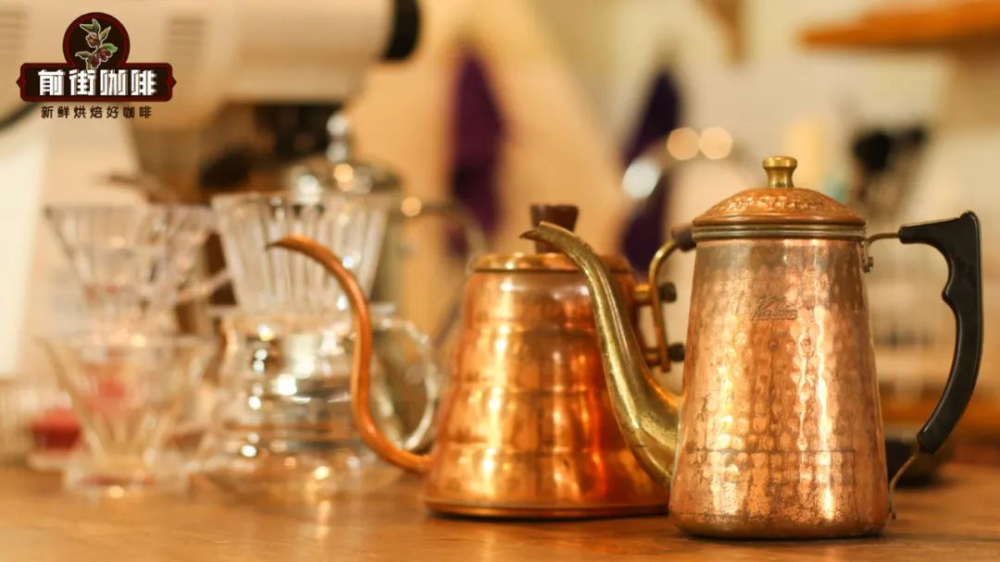
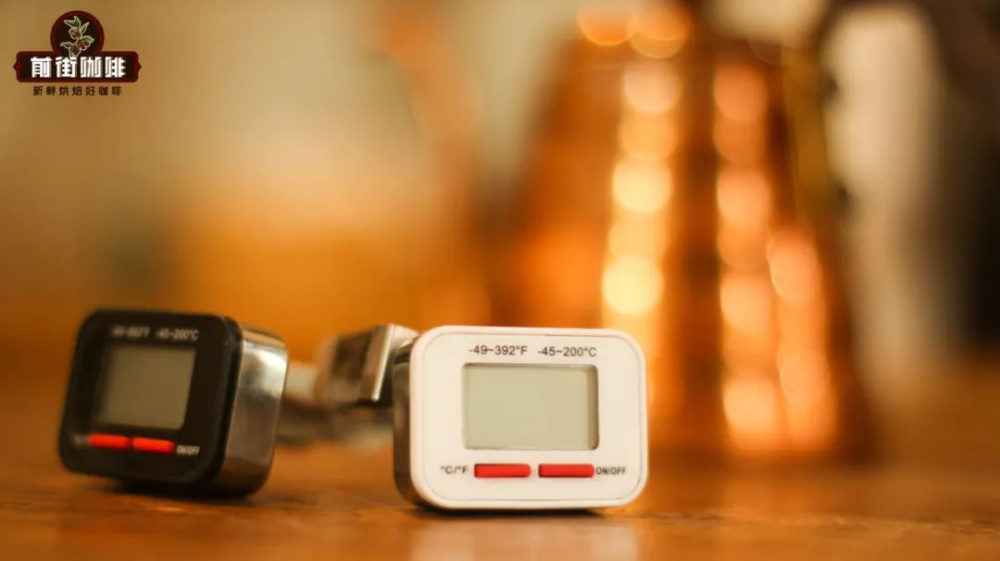
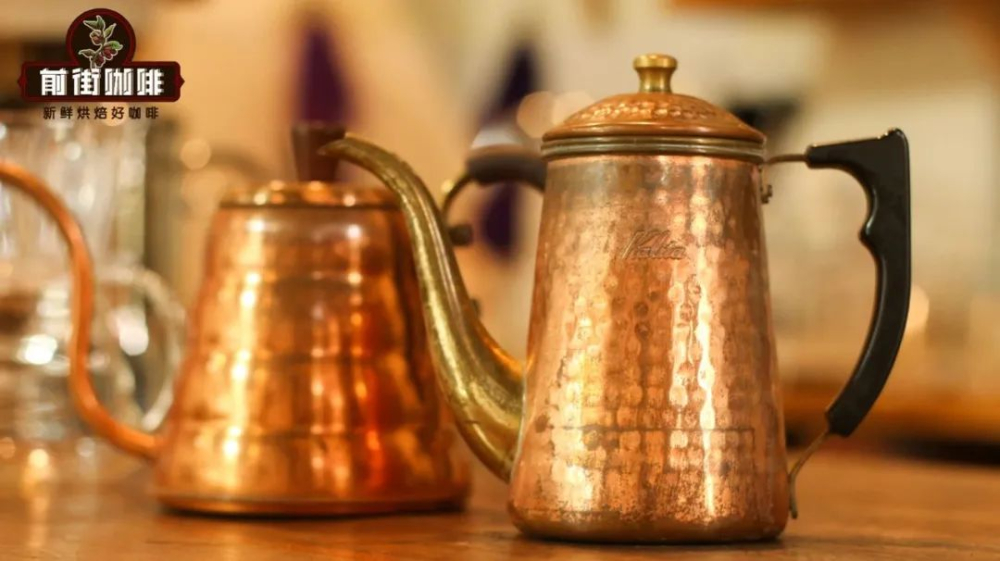
Next, let’s talk about choosing a pour over kettle. Here, you can consider three aspects: whether it has temperature control, the design of the spout, and its capacity. The difference between temperature-controlled and non-temperature-controlled kettles mainly lies in user convenience, not a direct impact on coffee flavor. If you choose a kettle without a built-in temperature display, it’s recommended to have a reliable water thermometer on hand to ensure proper water temperature control during brewing. For the spout, if you’re new to pour over, it’s advised to start witha gooseneck narrow-spout kettle. These spouts offer stable water flow and are easy to control, helping you quickly master pouring techniques. If you’ve already gained some experience and want to explore more variations, you can try a wide-spout kettle. Though more challenging, it brings more fun and flexibility to your brewing process.
As for capacity, many think a 300ml small kettle is enough for a single serving. But such a small volume can lead to instability, difficult water flow control, and often requires more water than expected to execute different pouring methods. However, a kettle that’s too large isn’t very user-friendly for those with less strength or beginners. After weighing all factors,it’s recommended to choose a pour over kettle with a capacity between 500ml and 600ml. This strikes a good balance between stability and flexibility, and suits most home brewing situations.
Although the filter cone is perhaps the most iconic piece of pour over equipment, you can afford to be a bit more lenient when selecting one. Filter cones vary widely in price, ranging from just a few dozen yuan to over a thousand, but the price differences often stem from material, design aesthetics, or patents—not necessarily from key factors that directly affect extraction. If you’re looking for value,a resin V60 filter cone is a highly affordable and reliably performing option. Also, don’t forget to pair it with dedicated filter paper. The material of the filter paper subtly influences the final flavor of the coffee. It’s recommended to choose bleached wood pulp filter paper from reputable brands, as this type usually doesn’t carry off-putting odors and helps filter out impurities, enhancing the purity of the taste. When purchasing, also make sure the filter paper matches the size and shape of your filter cone—incorrect combinations may lead to poor filtration or inconvenience in use.
The scale is a key tool that brings quantifiable data to the pour over process. It’s recommended to choose one with a built-in timer. This allows you to accurately record the coffee-to-water ratio and track the entire brewing time. If the flavor isn’t to your liking, you can look back at the data to identify possible issues such as too long or too short brewing time, or uneven pouring speed, then adjust your technique accordingly. Through this visual approach, you can significantly increase the success rate of each brew. Even if your technique isn’t steady at first, you can gradually refine it using the data to find your optimal parameters.
Finally, accessories like a server or drinking cup can add a sense of ceremony, but they don’t affect the actual coffee extraction process. You can choose based on personal preference. If you’d like to create a more complete brewing experience, and your budget allows, a professional server set is also a good option, typically priced between 100 and 150 yuan depending on material and design.
The above content is compiled by CoffeeHunters, a coffee news website.


