







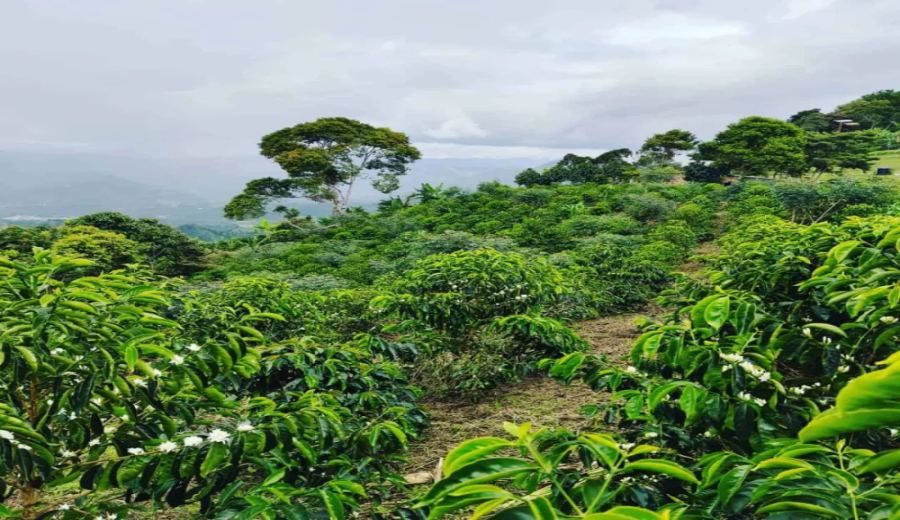
Introduction:The Finca El Diviso farm in Colombia’s Huila region shot to fame after the 2022 World Barista Championship, with its Sidra variety becoming a focal point for coffee enthusiasts. This article delves into the natural conditions of the Huila region, the history and cultivation characteristics of Finca El Diviso, and analyzes the genetic origins of the Sidra variety, its cultivation challenges, as well as the flavor profile and pour over recommendations after double anaerobic natural processing—giving you a comprehensive understanding of this highly promising specialty coffee.
Colombia consistently ranks as the world’s third-largest coffee producer and the largest exporter of Arabica beans. Its unique geographical environment, especially the high altitudes, fertile volcanic soils, and diverse microclimates of the Andes Mountains, has given rise to numerous distinctive coffee-growing regions. Among them, Huila Province is celebrated as one of the most representative specialty coffee regions due to its outstanding flavor profiles, and the Sidra variety from Finca El Diviso in this area has garnered widespread attention for its unique fruity aromas and processing techniques.
Colombia is vast in territory, with terrain encompassing western mountainous regions and eastern plains, where the Andes Mountains dominate the coffee-growing landscape. The temperature in this region remains around 18°C year-round, with annual rainfall reaching 2,000 to 3,000 millimeters. Coupled with the diverse microclimates formed by varying altitudes, coffee harvesting is possible throughout the year. These conditions collectively shape the rich and layered foundational flavors of Colombian coffee.
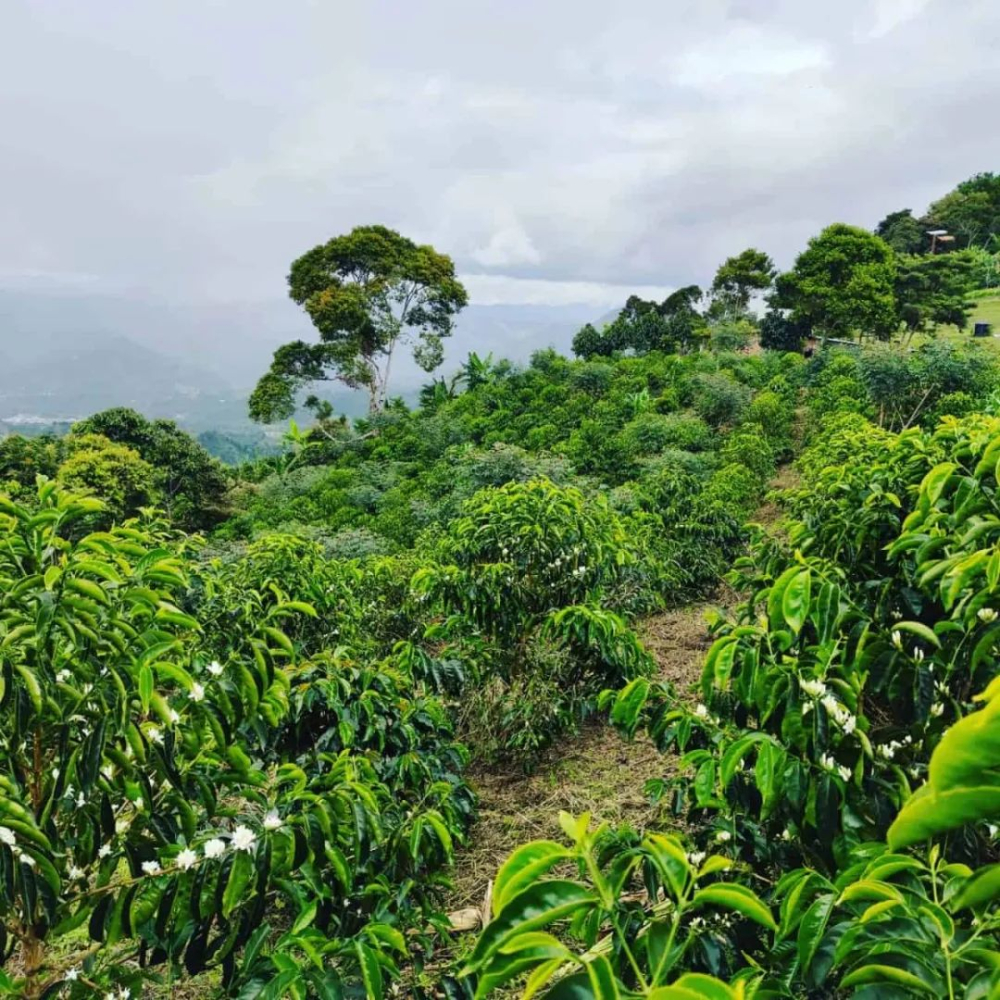
Among the many coffee-growing regions, Huila Province is located in southern Colombia, situated in the southern section of the Central Cordillera, covering the central and eastern Andes, with much of the area distributed along the Magdalena River Valley. The region has an average altitude of 1,200 to 1,800 meters, a mild climate, and an average annual temperature of about 17°C to 23°C. The high-altitude environment, combined with volcanic soils and stable water sources, gives Huila coffee a generally pure, balanced, and smooth taste, making it a popular choice for many coffee beginners, with some entry-level specialty coffee bean selections originating from this area.
Among the many renowned farms in Huila, Finca El Diviso, spanning just 14 hectares, is a relatively small farm but boasts over 27 years of coffee cultivation history. The farm was established in 1996 by Jose Uribe Lasso and is now managed by his grandson, Nestor Lasson, with daily operations largely handled by family members and close friends. Nestor not only upholds tradition but also continuously innovates in terms of varieties and processing techniques. In addition to cultivating common varieties such as Bourbon, Caturra, and Geisha, he has also introduced rare ones like Pink Bourbon, Sidra, and Castillo, showcasing his relentless pursuit of quality and flavor.
Finca El Diviso gained international recognition at the 2022 World Barista Championship (WBC), when Australian competitor Anthony Douglas used Sidra coffee beans from this farm to compete and ultimately won the championship, instantly thrusting this small farm and the Sidra variety into the spotlight of the industry.
Speaking of the Sidra variety, its origins are quite legendary. According to records, Sidra likely originated from a Nestlé coffee breeding institution in Pichincha Province, Ecuador, which once conducted hybridization experiments between Ethiopian native varieties and Bourbon. Although the institution closed many years ago, Sidra is still considered “one of the unreleased varieties.” Subsequent genetic analysis has shown that Sidra is genetically similar to Ethiopian native varieties, thus inheriting their intense floral aromas and bright fruity acidity.
Sidra is demanding in terms of growing conditions—it needs to be cultivated under shade and thrives best at altitudes above 1,600 meters. This variety demonstrates relatively good disease resistance and tolerance to certain pests and diseases, but it is more vulnerable to leaf rust and certain coffee berry diseases. Additionally, Sidra shows good yield performance, making it a promising option for farms seeking a balance between quality and output.
This Sidra coffee bean from Finca El Diviso in the Huila region is processed using the double anaerobic natural method, grown at an altitude of 1,700 to 1,850 meters, and is medium-light roasted. For pour over brewing, it is recommended to use a V60 filter, with a coffee-to-water ratio of 1:15 and water temperature controlled at 92°C, which can fully highlight its unique post-processing flavors.
After brewing, the first thing that hits you is a pronounced fermented wine aroma. On the palate, you’ll experience a rich array of fruit notes such as grape, passion fruit, and apricot preserves, with a clean citrus-like acidity. The overall mouthfeel is soft and layered, with a lingering sweetness and fermented aroma in the aftertaste—making it highly suitable for coffee lovers who enjoy distinct fruit flavors and complex profiles.
The above content is compiled by CoffeeHunters, a coffee news website.


