







Introduction:Latte is the go-to choice for many coffee enthusiasts when first exploring espresso-based drinks. But with so many coffee bean options available, how do you choose the right beans for making a latte? This article will delve into the differences between single-origin beans, blends, and SOEs (single-origin espressos), explore how different roast levels affect flavor, and through practical bean examples, help readers master latte bean selection techniques and flavor expectations to find their perfect match.
Latte is not only a star product in many cafés but also the first step for many beginners entering the world of espresso-based coffee. However, when faced with a dazzling array of coffee beans, many often struggle with the choice: should you go for single-origin beans, blends, or the increasingly popular SOE (single-origin espresso) for making lattes? How do different roast levels and processing methods affect the final flavor profile?
In fact, the reason lattes are so widely loved mainly lies in their relatively mild taste. Many people, when first trying pure black coffee, are often put off by its pronounced bitterness and astringency. Adding milk not only softens the taste but also adds a touch of sweetness and a silky texture. That’s why lattes also offer relatively high flexibility in preparation—you don’t need to strictly follow specific ratios or techniques, leaving more possibilities when it comes to bean selection.
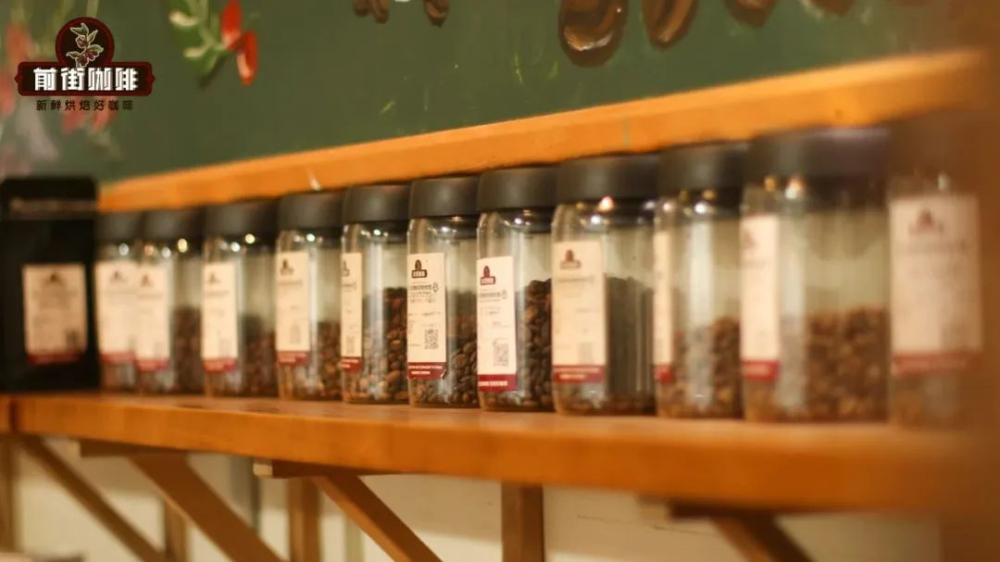
Currently, the coffee beans on the market can generally be divided into two main categories: espresso beans specifically designed for espresso extraction, and coffee beans mainly intended for pour over or filter methods. If you plan to extract using tools like a moka pot, French press, or pour over and then add milk, your bean selection strategy will naturally differ. Before purchasing, it’s recommended to first clarify your brewing method, and then make a choice based on the desired flavor profile.
For example, some coffee beans from Ethiopia come in different roast versions tailored for different brewing methods. The light roast versions are mostly designed for pour over, emphasizing bright acidic layers such as lemon and citrus. Meanwhile, medium roast versions are adjusted for espresso machines or French presses, retaining the fruit acidity while adding caramel-like aromas, making them suitable for crafting more layered milk coffee.
However, most commercial blends on the market are primarily dark roasted, aiming to enhance the stability and rich crema of espresso, often delivering caramelized flavors like dark chocolate, nuts, and cream. For consumers accustomed to single-origin beans and who pursue distinctive flavor profiles, such blends may not meet their needs. As a result, many young coffee enthusiasts have turned to seeking lightly roasted single-origin beans, known as SOEs, hoping to capture more pronounced floral, fruity, and fermentation nuances in their lattes.

If you prefer to use SOEs for making lattes, it’s recommended to prioritize medium-roasted or flavor-characteristic single-origin beans, which can reduce the overly sharp acidity and unpleasant taste that can come with very light roasts. Taking actual bean examples: a sundried Hua Kui SOE often showcases aromas of passionfruit, tangerine, and soft cream; a raisin honey-processed Costa Rican Strawberry Candy offers delicate layers of orange, dried fruit, and rose petals; while an anaerobic sundried Santa Vinya can present a multi-layered interplay of blueberry, dried mango, and fermented fruit notes.
Additionally, choosing the right roast level is also crucial. Generally speaking, medium roast strikes a balance between flavor and body, making it suitable for most milk-based coffee drinks. If you prefer bright fruit acidity and unique processing flavors, you can try SOEs with light to light-medium roasts, but be mindful of the overall harmony when paired with milk. In contrast, dark roast blends, though rich in crema and offering a bold mouthfeel, tend to have less distinct individual flavors, making them more suitable for those seeking a stable milk coffee base.
In summary, the bean selection strategy for lattes should take into account the brewing method, roast level, bean variety characteristics, and personal taste preferences. Whether you choose traditional blends, single-origin beans, or uniquely flavored SOEs, as long as you grasp the basic selection logic and flavor expectations, you can craft your ideal milk coffee profile.

The above content is compiled by CoffeeHunters, a coffee news website.


