







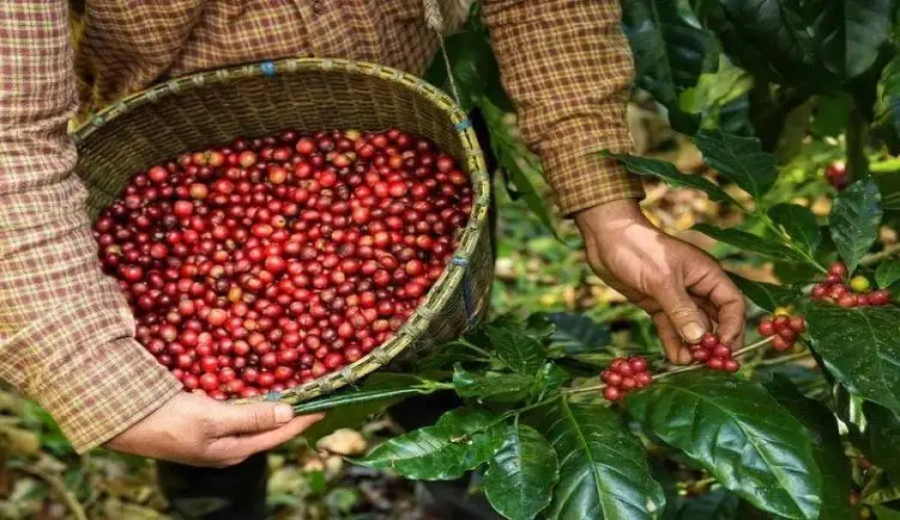
Introduction:As the European Union's Deforestation-Free Regulation (EUDR) is set to be fully implemented by the end of 2024 to early 2025, the global coffee industry is facing unprecedented compliance pressures. The well-known coffee group JDE Peet’s recently announced that it has partnered with Enveritas to launch a deforestation-free coffee initiative, and has signed memoranda of understanding (MOUs) with major coffee-producing countries including Vietnam, Ethiopia, Papua New Guinea, Tanzania, and Uganda. These efforts aim to ensure that coffee beans meet sustainable sourcing standards while also protecting the interests of smallholder farmers. This article delves into the impact of the new regulations, technological applications, and industry response strategies.
In June of this year, the European Union officially enacted the Deforestation-Free Regulation (EUDR), also known as the EU Deforestation Regulation, which explicitly prohibits the sale in the EU market of agricultural products linked to deforestation or forest degradation. This includes strict oversight of commodities such as coffee and cocoa. According to the regulation, all coffee products entering the EU must have supply chains that can be traced and verified to ensure that the origin was not subject to deforestation. Operators are required to conduct detailed due diligence, or they may face substantial fines or even export bans. The regulation is expected to come into full effect between December 2024 and January 2025, and governments and coffee brands around the world are actively seeking solutions to comply.
Faced with the challenges of the new regulation, international coffee giant JDE Peet’s recently announced that it has signed deforestation-free coffee memoranda of understanding (MOUs) with five major coffee-producing countries: Vietnam, Ethiopia, Papua New Guinea, Tanzania, and Uganda. Earlier, JDE Peet’s had successfully piloted a program in Vietnam, and this expanded collaboration aims to ensure that none of the coffee beans in its global supply chain come from deforested land. The company also commits to supporting reforestation in cases where non-compliance is found, as well as assisting governments, NGOs, and coffee farmers in implementing sustainable measures.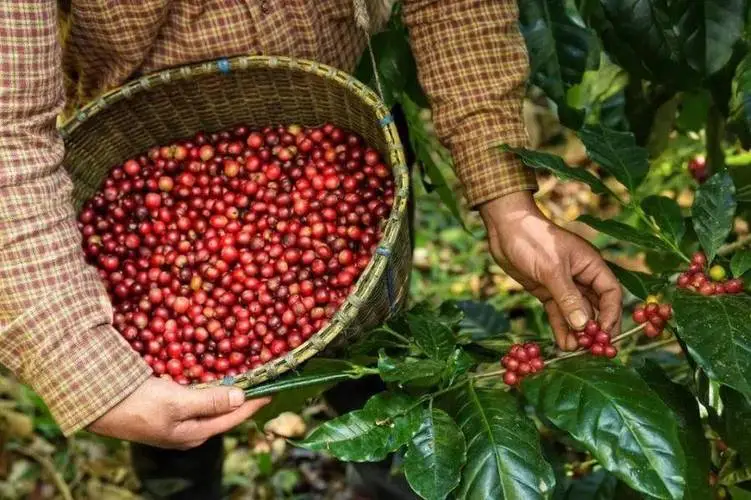
To execute this plan, JDE Peet’s has chosen to collaborate with Enveritas, an organization specializing in sustainability verification for coffee cultivation. Enveritas utilizes satellite imagery, artificial intelligence (AI) analysis, and on-the-ground verification techniques to accurately assess changes in coffee-growing regions’ forests, effectively identifying potential deforestation risks. It also helps local stakeholders, government agencies, and non-profit organizations develop mitigation strategies, thereby reducing the industry’s overall impact on forest resources while safeguarding the livelihoods of small-scale farmers.
The CEO of JDE Peet’s emphasized that the company has long been committed to promoting sustainable growth—not only pursuing profit but also emphasizing the creation of social value, ensuring an inclusive, regenerative, and transparent supply chain. The deforestation-free coffee initiative launched in partnership with Enveritas not only aligns fully with the new EU regulations but also helps maintain relationships with millions of smallholder farmers worldwide, ensuring their products can continue to access key markets such as the EU.
The CEO of Enveritas pointed out that many small-scale coffee farmers around the world rely on coffee income to support their families. However, the new EU regulations may introduce additional procedural hurdles and compliance costs to the supply chain. Some vulnerable producers may even risk being marginalized from the market if they struggle to meet the requirements. Therefore, the deforestation-free program launched in collaboration with JDE Peet’s aims to effectively address the long-standing issue of deforestation in the coffee industry without sacrificing the interests of smallholders, ultimately achieving true sustainability.
The above content is compiled by CoffeeHunters, a coffee news website.


