







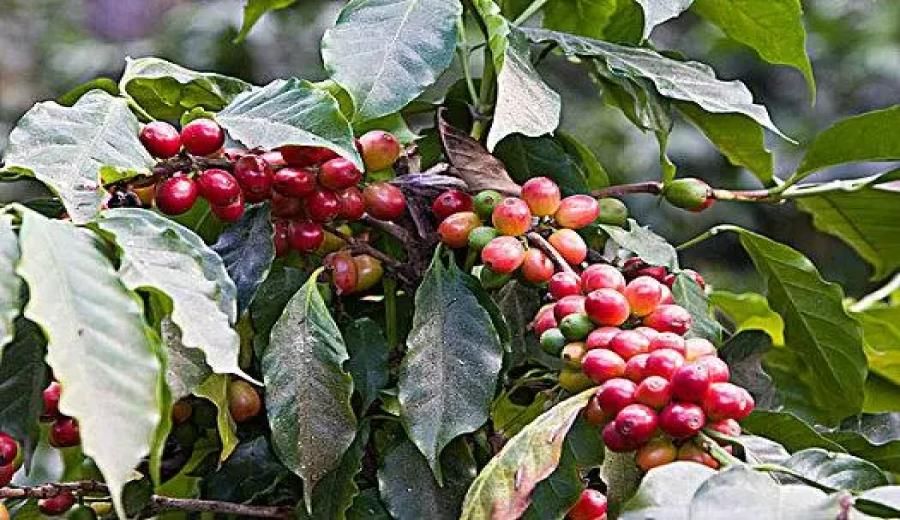
Introduction:Mandheling coffee from the Lidong growing region in Sumatra is widely loved for its rich, full-bodied flavor, low acidity, and distinctive herbal and chocolate notes. This article delves into the geography of Lidong, the origin of the name "Mandheling," as well as the characteristics of the locally predominant Ateng variety and the wet-hulled processing method. It also offers practical pour-over recommendations and parameters to help coffee beginners fully understand this classic Southeast Asian bean.
On the global coffee map, Indonesia stands out as a key representative of Asian coffee, thanks to Mandheling from the island of Sumatra. Comprising tens of thousands of volcanic islands, this country lies on the equator, enjoying not only a hot and humid climate but also fertile volcanic soil—ideal conditions for cultivating specialty coffee. Among these, the Lake Toba region in North Sumatra, particularly the Lidong area, along with the Gayo Mountains in Aceh, have given rise to numerous renowned Mandheling-growing regions.
Indonesia consists of 17,508 large and small islands, making it a tropical nation with active volcanoes and abundant water systems. Many areas of the country sit at elevations exceeding 1,000 meters, and with distinct dry and rainy seasons (roughly dry from April to October and rainy from November to March the following year), it fosters a unique coffee-growing environment. Especially in Sumatra, coffee is mainly concentrated in the Gayo highlands of Aceh Province in the north, as well as around Lake Toba in places like Lidong, typically grown at altitudes between 1,100 and 1,600 meters. Such heights not only allow the coffee cherries to ripen slowly and accumulate flavors but also create a rich, layered flavor foundation with a full body.
The commonly seen "Sumatran Mandheling" on the market—actually, "Mandheling" is neither a coffee variety nor a specific place name. Its origin traces back to a small incident during World War II. It’s said that a Japanese officer, while tasting an exceptionally flavorful cup of coffee at an Indonesian café, asked the shop owner for the name of the coffee. Mistaking the question for an inquiry about his background, the owner replied "Mandheling (Mandheling)," and thus the name stuck, becoming synonymous with Sumatran coffee.
The Lidong growing region is located near Lake Toba in Sumatra, Indonesia, benefitting from high altitudes (around 1,200 to 1,500 meters) and mineral-rich volcanic soil. These conditions together shape the bold and full-bodied character of Lidong Mandheling. Not only is its flavor rich, but its heavy body is often described as "silky smooth," making it a top choice for many avid coffee lovers.
Currently, most Lidong Mandheling is made using the Ateng variety. Many consumers mistakenly believe this is a newly developed variety, but in fact, it’s the local name for Catimor in Indonesia. Similarly, the term "TimTim" is commonly used in the Indonesian industry to refer to the Timor Hybrid. Thanks to its strong adaptability and stable yield, Ateng is widely planted across various coffee-growing regions in Indonesia and serves as the main raw material for Lidong Mandheling.
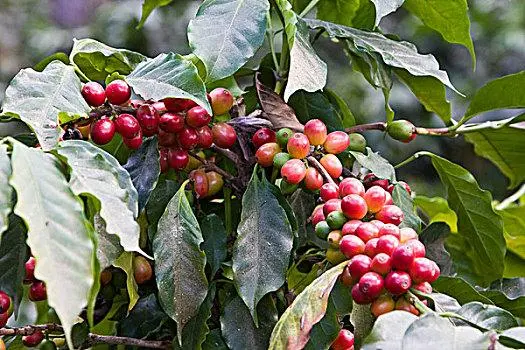
In terms of processing, Lidong Mandheling is mostly processed using the wet-hulled method (Giling Basah). This method is unique to Indonesia and involves removing the parchment layer earlier while the beans still retain a higher moisture content during hulling. This early removal and subsequent drying process create a unique compression effect, resulting in a rich, deep-toned flavor profile with herbal aromas, as well as pronounced notes of dark chocolate and caramel. This processing style is one of the key factors that distinguish Sumatran coffee from other regions.
A recommended entry-level Lidong Mandheling typically features a flavor profile dominated by intense dark chocolate, accompanied by delicate layers of herbs and caramel, with a sweet and lingering aftertaste. Though relatively low in acidity, it excels in body and richness, making it ideal for those who prefer dark roasts or stronger, bolder flavors.
If you'd like to brew this Lidong Mandheling at home, it is recommended to use a dark roast bean, paired with a KONO filter cone and a 1:15 coffee-to-water ratio, with the water temperature controlled at around 92°C. These parameters help fully highlight its rich body and deep chocolate foundation, while balancing the subtle notes of herbs and caramel. Maintaining a steady pour and using a pulse pouring technique during brewing can more effectively extract the layered flavors, bringing you a cupping experience close to that of a professional café.
The above content is compiled by CoffeeHunters, a coffee news website.


