







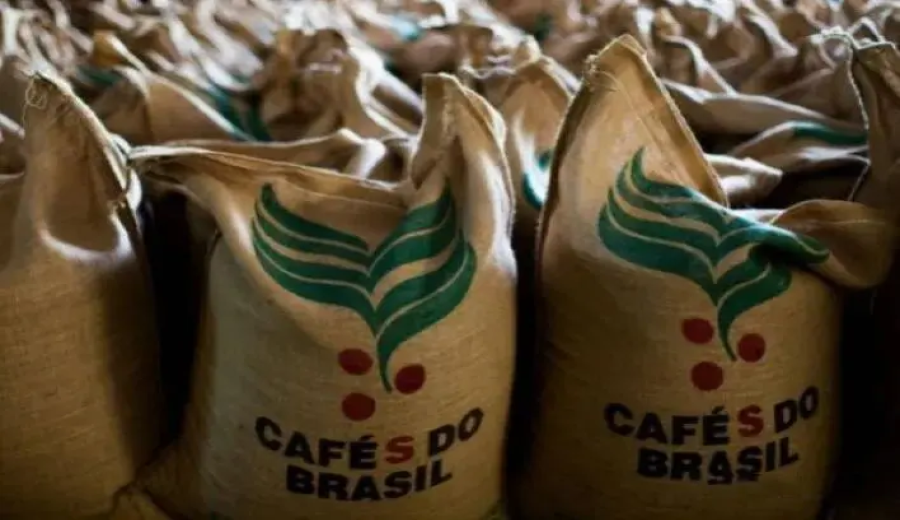
Introduction:According to the latest data from the Brazilian Coffee Exporters Council (CECAFÉ), Brazil’s coffee exports in January 2024 reached 3.961 million 60-kg bags, a year-on-year surge of 39%, with foreign exchange earnings also growing by 30.4%. Among this, the robusta variety saw an explosive increase of 503.5%, becoming the main driving force. This article will delve into the reasons behind Brazil’s strong coffee export performance, the performance of various coffee varieties, as well as production forecasts for the 2024/25 season, helping readers stay updated on the latest trends in the global coffee market.
Based on data from the Brazilian Coffee Exporters Council (CECAFÉ), in January 2024, Brazil exported 3.961 million 60-kg bags of coffee, marking a significant year-on-year increase of 39%. Meanwhile, foreign exchange earnings from these exports rose from $615.5 million last year to $802.5 million, an increase of 30.4%, demonstrating the strong competitiveness of Brazilian coffee in the global market.
Looking at the export performance by variety, robusta coffee stood out with particularly impressive results, with its export volume surging by 503.5% year-on-year to reach 457,787 bags, accounting for 11.56% of total exports. In contrast, arabica coffee, traditionally the dominant variety, remained the main export product, totaling 3.288 million bags, or about 80.98% of the total; instant coffee was exported at 293,467 bags, making up 7.41%; and roasted coffee beans had relatively lower exports, with just 1,888 bags, accounting for 0.05%.
The chairman of CECAFÉ pointed out that achieving such outstanding export results in January was no easy feat. The world is currently facing numerous geopolitical challenges, including disruptions in Red Sea shipping, a sharp decline in Panama Canal shipping volumes due to drought, and domestic logistical bottlenecks in Brazil, all of which have put pressure on exports. However, the actual impact was not as severe as expected.
Particularly within Brazil, logistical issues have been especially severe.In mid-to-late January, Brazil’s largest coffee export port — the Port of Santos — as well as Guarulhos International Airport, both experienced strikes by customs tax officials.This led to reduced port operational efficiency, resulting in problems such as ship delays and shortened working hours, forcing exporters to face higher costs and longer waiting times.
Despite the aforementioned challenges, Brazil’s coffee exports still managed to grow against the odds, largely thanks to the strong performance of the robusta variety.Brazilian robusta coffee has gradually expanded its market share internationally by leveraging its price advantage and stable supply.Especially when major robusta-producing countries such as Vietnam and Indonesia faced shortages due to drought and supply issues, Brazil successfully capitalized on this market gap.
For example, Vietnam, as one of the world’s largest robusta producers,is estimated by its Ministry of Agriculture to see a 10% drop in coffee production in the 2023/24 season to 1.656 million metric tons, due to the impact of drought.Coupled with local producers holding back sales and increased trade risks due to the situation in the Red Sea, many international buyers turned to alternative sources, making Brazil a viable replacement.
Although some coffee-growing regions in Brazil were also affected by weather changes, experiencing extreme heat and unstable rainfall, the country benefits from a well-developedwater storage and irrigation system, which can effectively mitigate the impact of climate fluctuations on coffee trees.Therefore, the coffee production for 2024 is expected to remain stable or even see a slight increase.
The internationally renowned investment bank Itaú BBA predicts that as weather conditions gradually improve,Brazil’s total coffee production for the 2024/25 season is expected to reach 69.4 million 60-kg bags, a 4.6% increase compared to the previous year.This forecast provides an optimistic signal for next year’s market supply, allowing global coffee importers and roasters to plan their procurement strategies with greater confidence.
The above content is compiled by CoffeeHunters, a coffee news website.


