







Introduction:The sky-high prices of Geisha coffee, often ranging from thousands to even tens of thousands of yuan, can be a major deterrent for coffee enthusiasts. What exactly are the key factors behind these premium prices? This article delves into the cultivation challenges, scarcity in yield, and market supply-demand dynamics of the Geisha variety. It also breaks down the evolution of the grading system at Panama’s Hacienda La Esmeralda, explaining the differences between auction lots, Red Label, and Green Label—clarifying common misconceptions about the high cost of Red Label beans—while analyzing how auction prices influence the overall market. Whether you're a beginner or a seasoned coffee aficionado, you’ll gain a full understanding of the logic behind Geisha pricing.
The high price of Geisha coffee often leaves people astonished. Common market quotes range from several thousand to even tens of thousands of yuan, but what is the actual market situation? This article systematically analyzes the core reasons why Geisha remains so expensive—from variety characteristics, growing region conditions, to market mechanisms—while focusing on the grading system of Panama’s Hacienda La Esmeralda. It details the distinctions between auction lots, Red Label, and Green Label, uncovers the truth behind the high price of Red Label, and discusses the ripple effects of auction prices on the broader market.
If Geisha were treated as an ordinary agricultural crop, its relatively high price would actually make sense. First, the Geisha variety is relatively difficult to cultivate, with stringent requirements for altitude, microclimate, and soil conditions. Second, its yield per unit area is significantly lower than that of common commercial coffee varieties, which directly drives up production costs. Third, Geisha has not been around for very long and hasn’t yet been widely planted, but the market’s curiosity and demand for its unique flavor continue to grow. Considering all these factors, the price of Geisha coffee beans is typicallysix to ten times higherthan that of ordinary varieties.
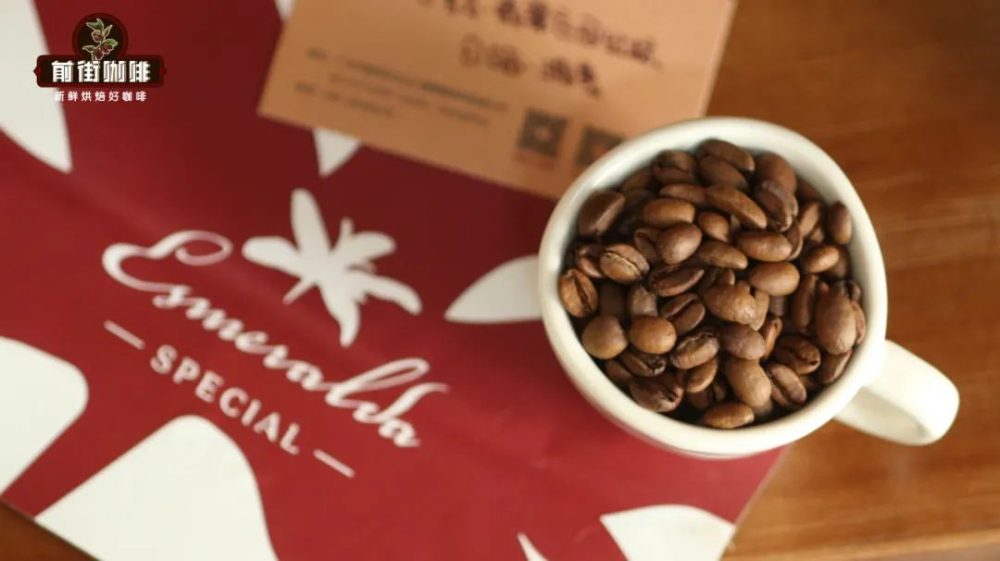
Panama’s Hacienda La Esmeralda is the crucial starting point where the Geisha variety gained global recognition, later gradually expanding to other producing regions. It can be said that without the push from Hacienda La Esmeralda, Geisha might still remain a niche variety. Taking the latest harvest season as an example, the price of Hacienda La Esmeralda Red Label Geisha upon arrival in China is approximately2200 to 2600 RMB. Hacienda La Esmeralda currently manages three main estates and 22 plots, with little quality difference among the plots and price fluctuations of only about100 to 200 RMB. This reflects the estate's view that the performance of most plots is quite similar. It's worth noting that the online reports of prices reaching tens of thousands or even nearly 100,000 yuan actually refer to auction prices, not standard retail prices.
The conversion rate from green beans to roasted beans is about0.79 to 0.83 kilograms(i.e., each kilogram of green beans yields roughly 790 to 830 grams of roasted beans). Without accounting for packaging and other costs, the cost of green beans for 100 grams of Red Label Geisha is approximately280 to 330 RMB. Adding costs such as packaging, transportation, and commercial profit margins, this explains why the market price for Red Label Geisha generally falls within the range of380 to 700 RMB. Different sellers adjust their pricing strategies based on their own cost structures.
The recently adjusted grading system at Hacienda La Esmeralda consists of: Auction, Red Label, and Green Label, helping consumers more clearly understand the product positioning. The grading system has undergone multiple changes in the past—for example, Red Label (including regular Red Label and Auction lots) was once grouped together, or even earlier there were categories of Red Label, Green Label, and Blue Label. Because Red Label was not clearly subdivided for a long time, many consumers confused auction prices with those of regular Red Label beans, creating a false impression of high pricing.
After understanding the reasons behind the high price of Red Label, let’s then explore the price trends of auctioned Geisha. Auction lots from Hacienda La Esmeralda are usually selected by renowned judging panels and open to competitive bidding from buyers worldwide. These beans, due to their extremely high evaluation scores and limited availability, naturally command leading prices in the market. In addition, the prices of regular Geisha beans from farms with ranking records also tend to rise due to the auction effect, whereas Geisha beans from unnamed farms or non-Panamanian producing regions mostly maintain their original price ranges.
The above content is compiled by CoffeeHunters, a coffee news website.


