







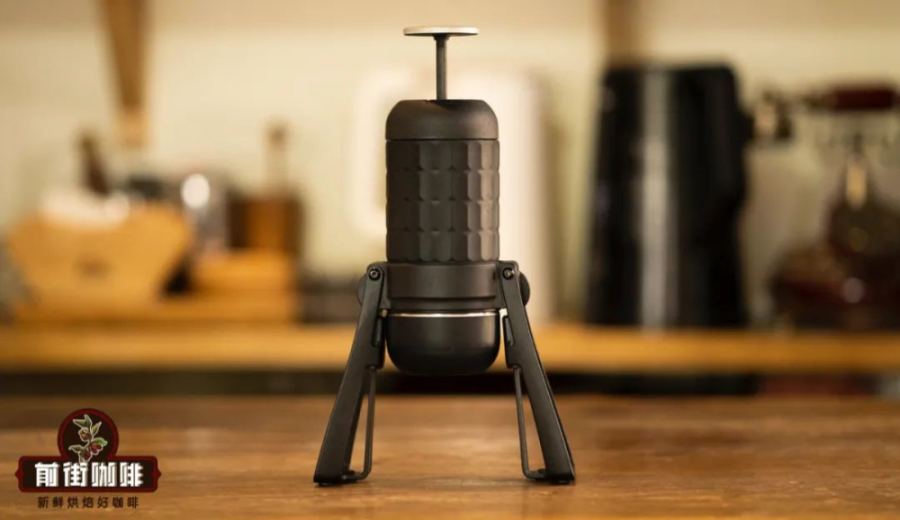
Introduction:Can a manual pressure coffee machine, which doesn’t require electricity, brew espresso comparable to that of an espresso machine? This article starts with the history of the 1947 Milan lever machine, explores the differences in extraction principles between manual and mechanical methods, and uses practical test data to help you understand how key parameters such as coffee dosage, water temperature, and pressure affect flavor. It’s suitable for coffee enthusiasts who want to try manual extraction or learn more about equipment principles.
You may have heard that as early as 1947, a barista in Milan invented a piston-lever coffee machine that could brew espresso using manual pressure. The principle of this machine is simple: by pulling the lever, it applies about 9 bars of pressure to the coffee grounds, allowing water to quickly pass through and ultimately producing espresso with a golden crema on the surface. Although it wasn’t the first coffee machine in history, this design was indeed a significant milestone in the development of coffee equipment. Later, with technological advancements, automated machines gradually replaced manual operation, and the manual method slowly faded from the mainstream market, with only a few models retaining the lever design.
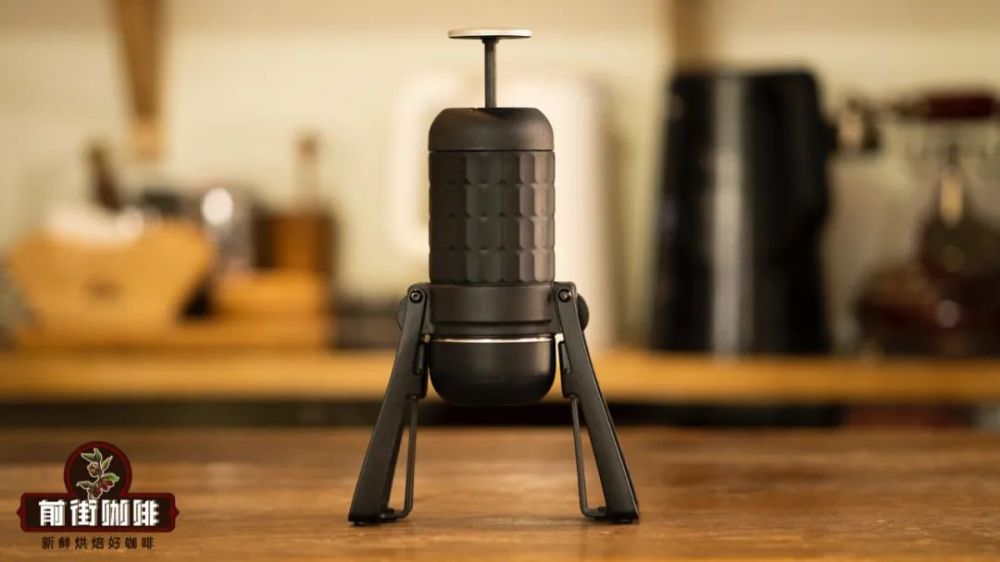
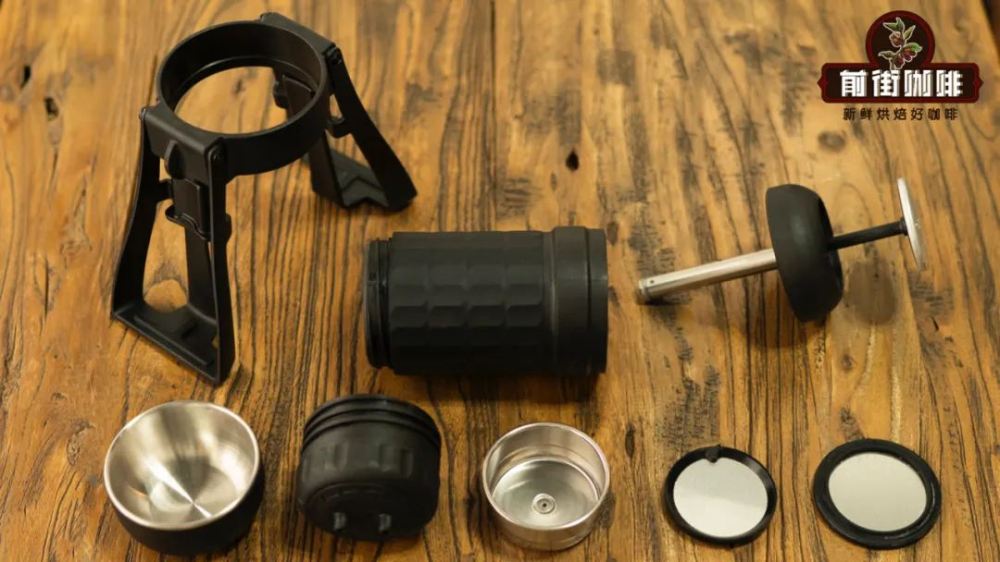
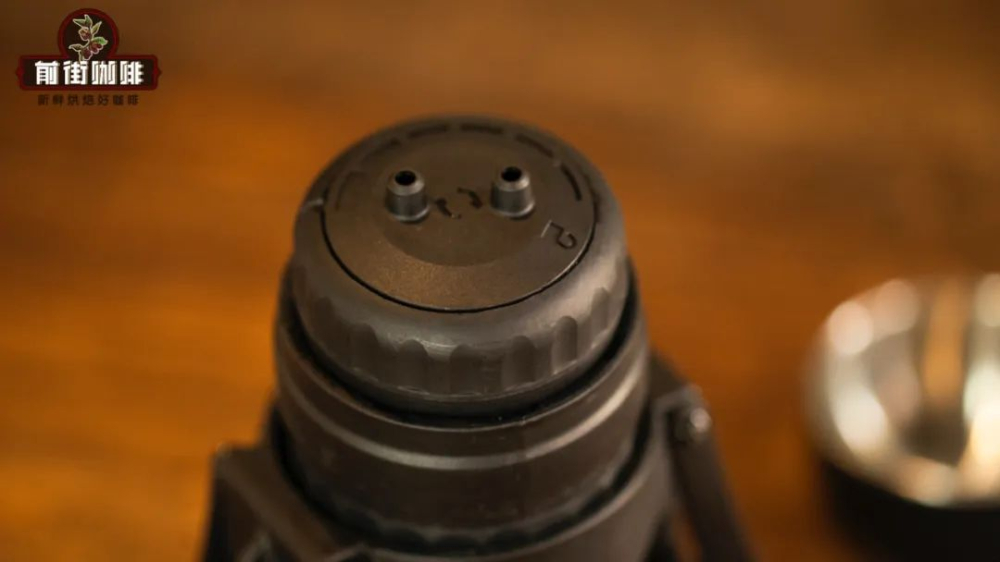
However, in recent years, with the rise of the retro trend and the popularity of camping culture, portable, electricity-free manual coffee makers have regained attention. These devices are compact and easy to carry, requiring no power supply, making them ideal for outdoor use or environments without professional equipment. A user purchased the third-generation product from the Xingli Manual series in 2021. This machine has a simple structure, mainly consisting of the main body and a foldable stand. Once disassembled, you can see several main components: the top is a lid with a pressure pump, the middle is a water tank for holding hot water, the bottom is a lower lid used for filling coffee grounds and as the coffee outlet, and there’s also a small cup often mistaken for the lower lid, which is actually used to catch the coffee.
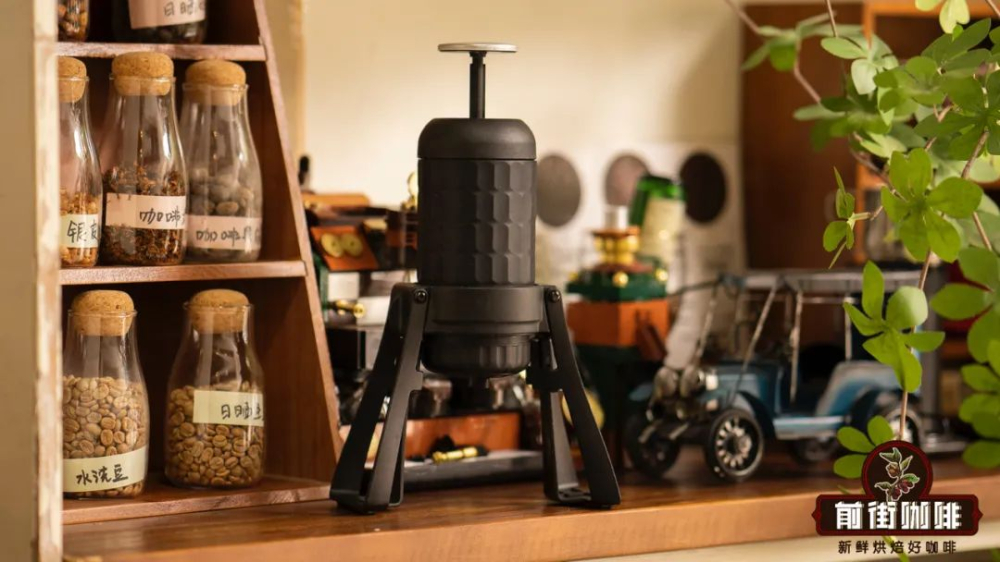
According to official information, this manual machine can hold up to 18–22g of coffee grounds and can be injected with 120–180ml of hot water. The lower lid is equipped with an adjustable pressure valve, allowing the pressure to be adjusted within a range of 15–20 bars, which is a great convenience for users who want to control extraction conditions. Next, we’ll conduct a practical test with this machine to see if it can produce espresso close to that of an espresso machine.
For the practical test, we selected the Warm Sun blend, a coffee with distinct flavor characteristics, featuring notes of whiskey, berries, and butter cookies. It’s very suitable for observing extraction effects. The grind size used was espresso grind, as fine as flour. The coffee dosage was set to 20g, the water temperature controlled at 94°C, the amount of hot water used was 120ml, and the coffee-to-water ratio was 1:2, with the goal of extracting 40ml of coffee liquid.
First is the step of filling the coffee grounds: evenly pour 20g of ground coffee into the portafilter basket. This step must ensure that the coffee bed is flat and compact to avoid channeling effects that could impact extraction evenness.Precise control of the coffee dosage is key—too much or too little will affect the final espresso quality.
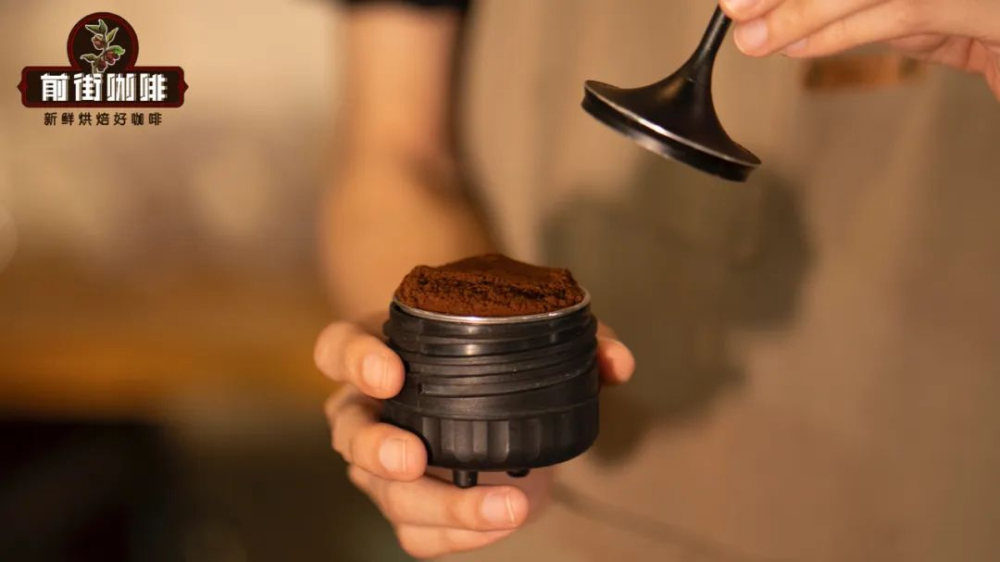
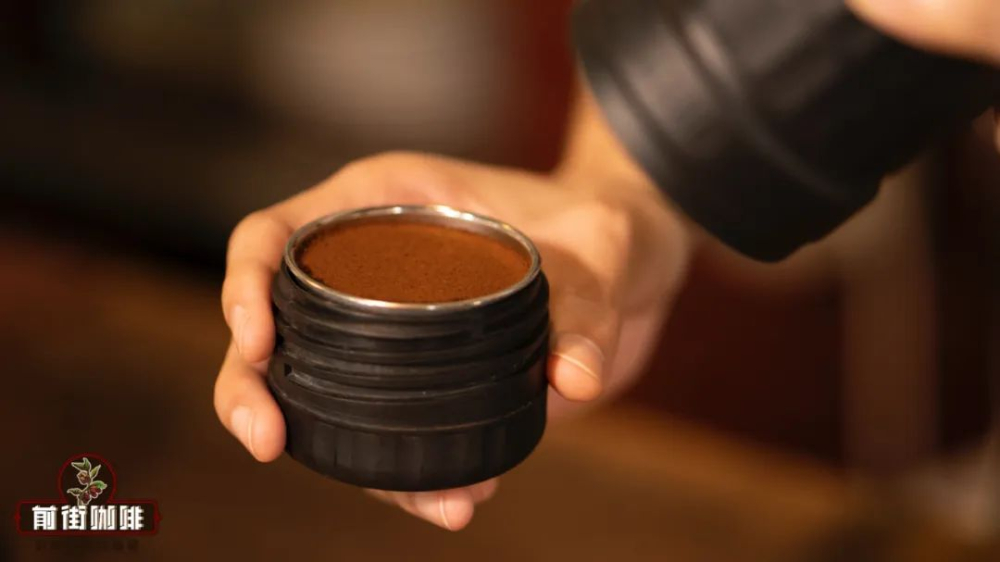
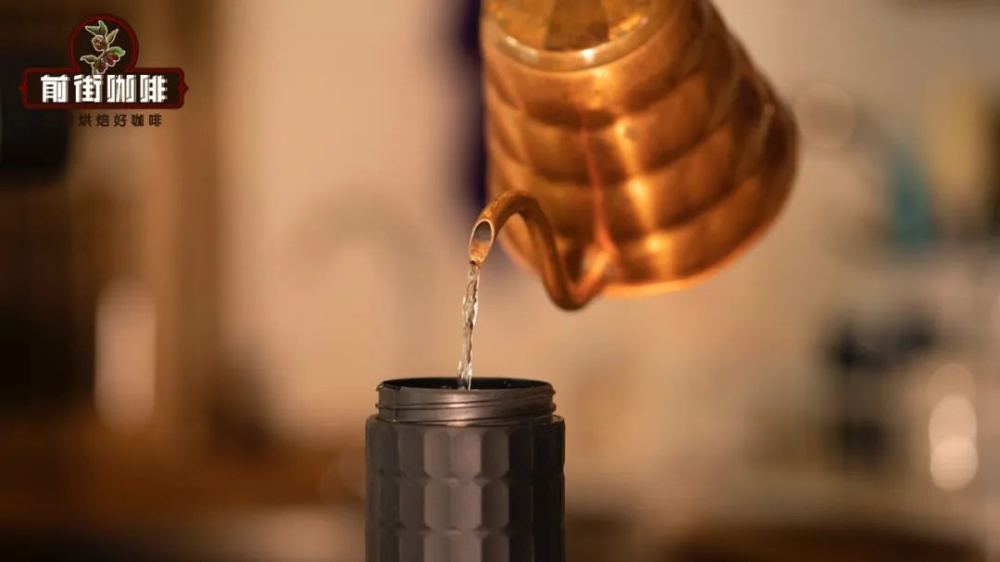
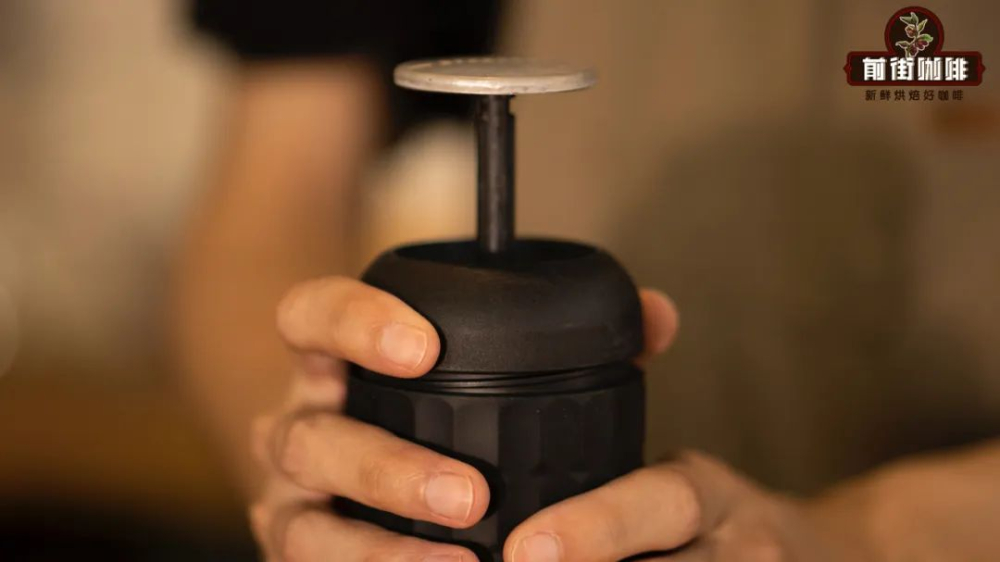
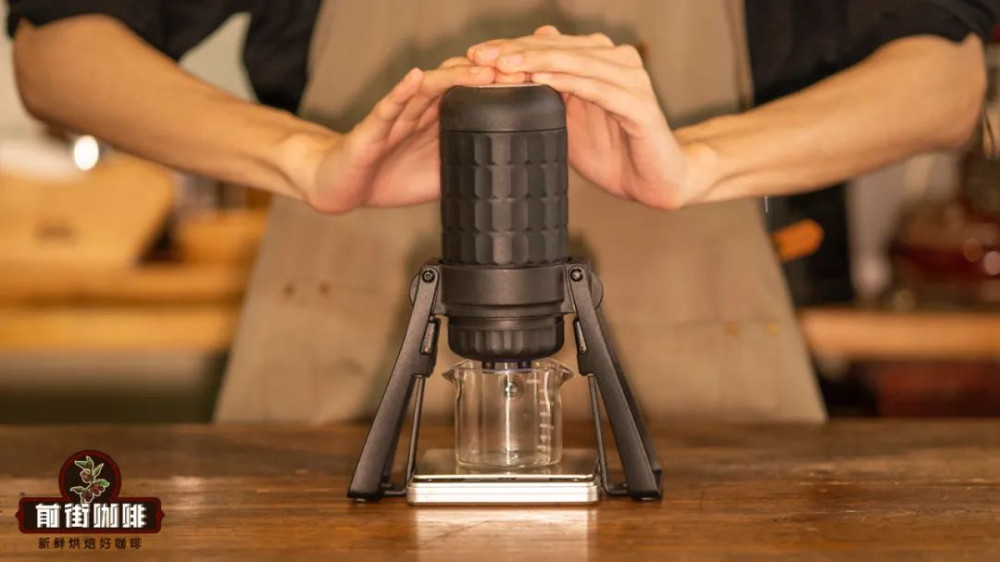
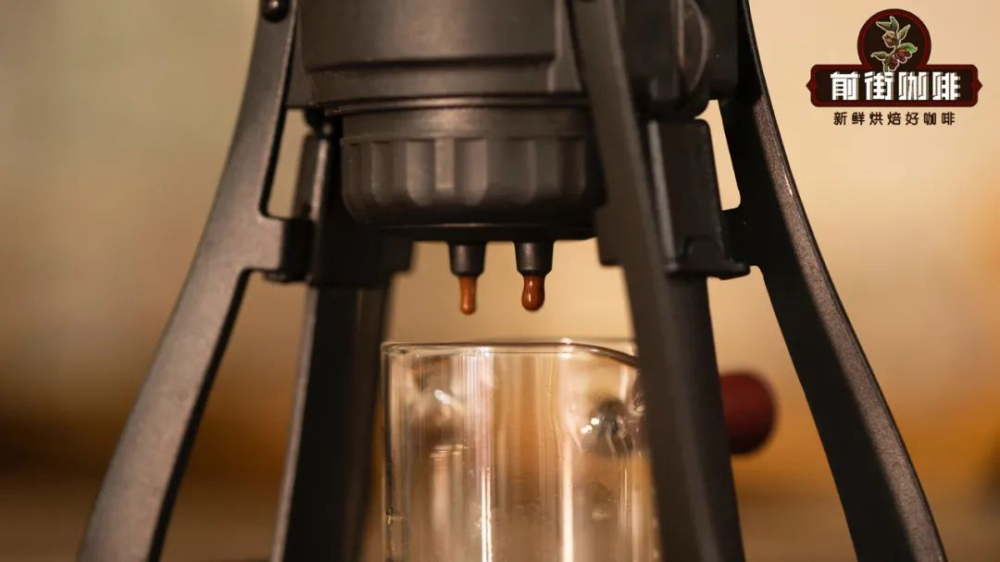
Next, inject 94°C hot water, totaling 120ml. Be sure to keep the water flow even to avoid directly hitting one spot. During the extraction process, apply manual pressure to complete the extraction within 9–12 seconds, ultimately achieving the target 40ml of coffee liquid. This process requires some practice to master the stability and speed of the pressure.
The practical test results showed that this manual machine can indeed brew espresso with a certain thickness of crema, and the flavor profile is quite rich. Although it still falls a bit short compared to high-end espresso machines, it performs outstandingly among manual devices. The key lies in the precise control of coffee-to-water ratio, water temperature, and pressure. As long as the parameters are set correctly, a manual machine can also produce flavors close to those of traditional espresso.
The above content is compiled by CoffeeHunters, a coffee news website.


