







Introduction:Want to learn about the charm of washed coffee beans from Colombia’s Huila region? This article takes you deep into this specialty coffee bean—perfect for pour over—by exploring its terroir, climate conditions, and the characteristics of its main variety, Caturra. Whether you’re a beginner or a coffee enthusiast looking to try something new, you’ll find practical tips on bean selection and brewing here.
Colombia consistently ranks as the world’s third-largest coffee producer, following only Brazil and Vietnam, and is second globally in Arabica coffee production. Among its many coffee-growing regions, Huila in the south stands out with its exceptional geographical environment as one of the most representative specialty coffee origins. The washed coffee beans produced here are especially suitable for entry-level tasting or everyday pour over enjoyment.
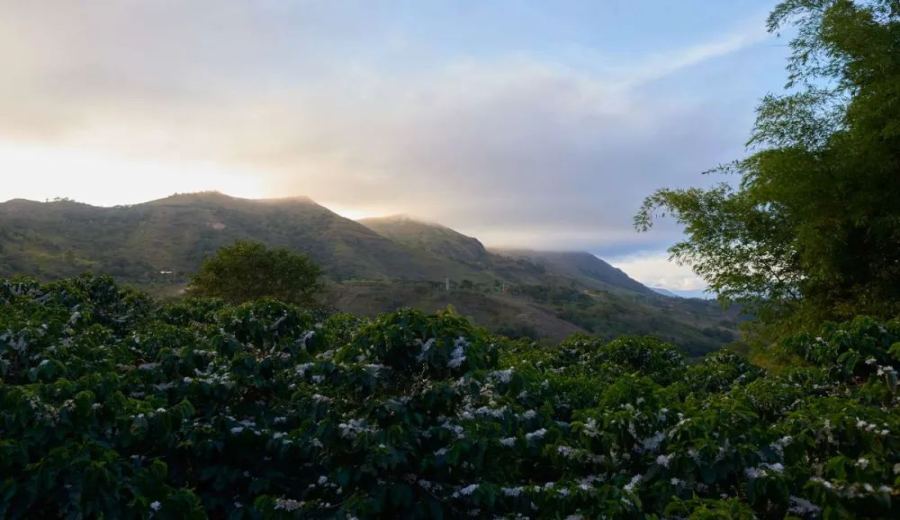
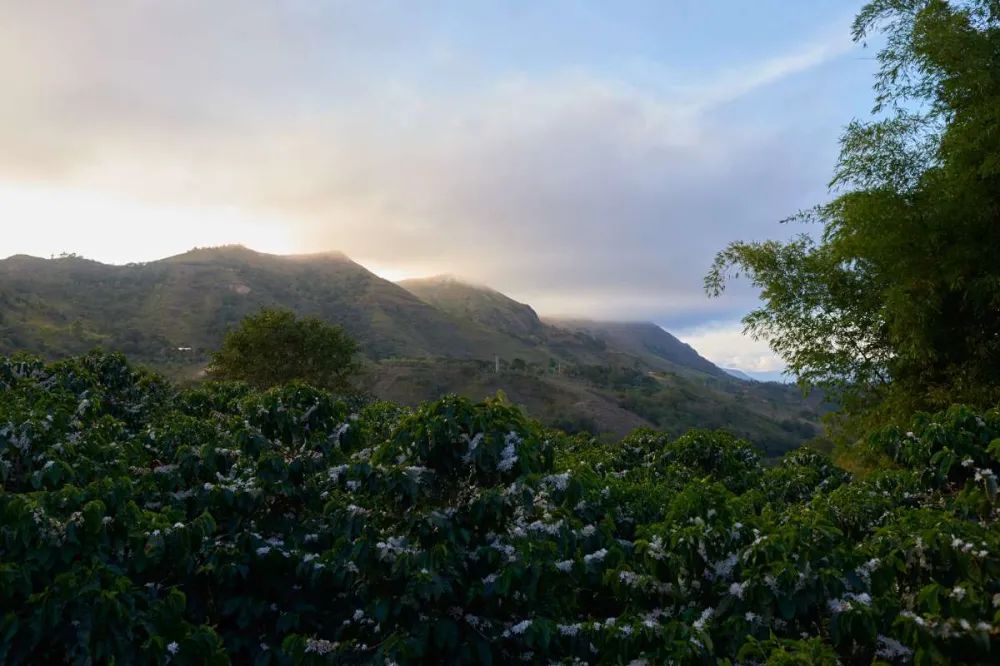
Huila Province is located in the southern section of Colombia’s Central Cordillera, with terrain dominated by the central and eastern ranges of the Andes Mountains. Most coffee farms are situated around the Magdalena River Valley, typically at elevations between 1,200 and 1,800 meters. The high altitude not only slows the ripening of coffee cherries but also promotes the accumulation of flavor compounds. Coupled with the region’s fertile volcanic soil and ample rainfall, this creates Huila coffee’s distinctive balanced taste and delicate acidity.
Looking back at the development of Colombia’s coffee industry, its origins can be traced back to the 18th century when Dutch Jesuit missionaries introduced coffee seedlings to the country. However, it wasn’t until the late 19th century that coffee began to be widely cultivated as an important cash crop. Even during times of conflict, local farmers continued to grow coffee, and after the war, the government introduced a series of revitalization policies, including designating uncultivated land into smallholder plots and offering them to farmers at low prices for coffee cultivation, further solidifying the industry’s foundation. By 1912, coffee exports already accounted for half of the country’s total foreign sales.
In 1920, the Colombian Coffee Federation was established to protect the rights of small-scale coffee farmers. Subsequently, in 1927, this organization further promoted the creation of a more representative official body—the Federación Nacional de Cafeteros de Colombia (FNC). The FNC has long been committed to improving coffee quality, marketing, and providing technical support, ensuring Colombia’s coffee maintains a strong position in the global market, even today where small farms remain the primary production units.
Among the many producing regions, Huila stands out for its consistently excellent coffee quality. The region has a subtropical highland climate, with an average annual temperature ranging between 15.8 and 20.5 degrees Celsius. The significant day-night temperature variation helps coffee cherries slowly develop complex aromas and a balanced acidity-sweetness profile. Coffee from this area typically exhibits medium-low acidity, a full body, and distinct notes of caramel, nuts, and soft fruit, making it particularly appealing to coffee lovers who enjoy well-balanced flavors.
When it comes to the commonly grown varieties in the Huila region, Caturra is definitely one of the highlights. Caturra is a natural mutation of the Bourbon variety, first discovered in Minas Gerais, Brazil, between 1915 and 1918. Its most notable characteristic is its shorter plant height, a trait derived from the Guarani word meaning “small.” This dwarfing feature makes it more convenient for farmers to harvest and manage, while also allowing nutrients to be more concentrated, improving quality control per unit area.
However, Caturra is relatively picky about growing conditions and thrives best at higher altitudes, where its flavor performance tends to be even better. The high-altitude conditions of the Huila region perfectly meet its needs, enabling the Caturra planted here to showcase rich tropical fruit aromas, such as citrus, berries, and light floral notes, along with clear sweetness and a good aftertaste.
For pour over enthusiasts, choosing washed Caturra beans from the Huila region not only offers a bright acidity and layered fruit aromas but also allows you to experience the delicate mouthfeel unique to high-altitude coffee. It is recommended to use a medium-light roast when brewing, with a grind size around medium-fine (such as the medium-fine setting indicated on your filter or slightly finer than table sugar), and water temperature controlled between 90–93°C to enhance flavor clarity and aroma expression.
In summary, Colombia’s Huila region, with its unique geography and climate conditions, along with the excellent adaptability of its main variety Caturra, produces a specialty coffee with tropical fruit flavors, balanced acidity and sweetness, and rich layers. Whether you’re a beginner or a seasoned coffee connoisseur looking for new tastes, do give the beans from this high-altitude land a try to experience their subtly captivating flavor profile.
The above content is compiled by CoffeeHunters, a coffee news website.


