







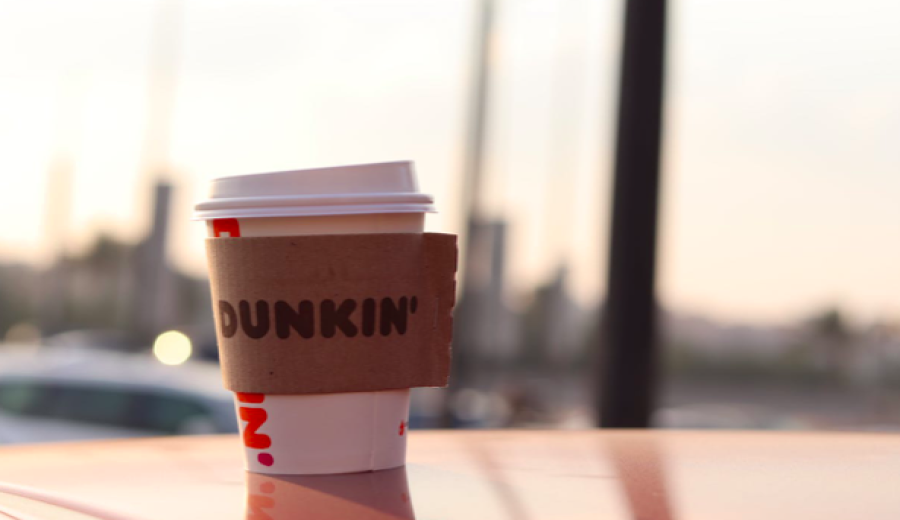
Introduction:The American coffee chain Dunkin' is facing a class-action lawsuit for charging extra fees for non-dairy alternatives such as oat milk and almond milk. The plaintiffs allege that this practice violates the Americans with Disabilities Act. This article delves into the background of the case, the legal basis, and explores the cost structure of plant-based milks and industry pricing strategies to help consumers understand the core of the controversy and their rights.
For coffee lovers who are lactose intolerant or allergic to dairy, plant-based milks such as oat milk and almond milk have become ideal alternatives for enjoying lattes. These options not only help avoid digestive discomfort, but oat milk is also favored by health-conscious consumers for its high dietary fiber content. However, the well-known American coffee brand Dunkin' has recently been embroiled in a legal dispute for adding extra charges for these non-dairy options.
According to the lawsuit, the plaintiffs, consisting of ten consumers, claim that Dunkin' chargesbetween $0.50 and $2.15in additional fees for alternative dairy products such as soy, oat, coconut, and almond milk, constituting discriminatory behavior against those who are lactose intolerant. The legal team points out that under the Americans with Disabilities Act, both lactose intolerance and lactose allergy fall under the category of disabilities. Therefore, Dunkin's pricing policy violates federal regulations and also contravenes relevant local laws in California, New York, Texas, Colorado, Massachusetts, and Hawaii.
The lawsuit documents further reveal that although the actual cost difference between dairy milk and plant-based milks is limited, Dunkin' imposes an extra burden on customers who choose non-dairy options. This differential pricing is seen as creating an unreasonable barrier for consumers who cannot drink traditional milk, equivalent to offering a more expensive and restricted menu. The plaintiffs are seeking a total compensation of$5 millionfrom Dunkin'.
It is worth noting that this is not the first such controversy. As early as 2022, another coffee giant, Starbucks, faced a class-action lawsuit over a similar pricing strategy, accused of violating the Americans with Disabilities Act. That case is still ongoing in a Florida district court, with no final ruling yet.
From an industry perspective, although plant-based milk lattes are popular among health- and environmentally-conscious consumer groups, actual sales data show that their adoption still lags behind traditional dairy milk beverages. To balance the cost difference, many coffee shops adjust the pricing of non-dairy options. However, industry experts caution that excessive price differentiation may provoke consumer backlash and lead to legal risks.
Consumer rights advocates point out that animal welfare and environmental organizations also oppose coffee shops charging extra for plant-based milks, believing that such practices are not conducive to promoting sustainable consumption habits. Some netizens suggest following brands like Blue Bottle Coffee, which include oat milk as a default option, as a way to effectively avoid similar controversies.
As of the time of reporting, Dunkin' has not issued an official response regarding this lawsuit. The future development of the case will continue to attract attention from both the industry and consumers, and its verdict may set an important reference standard for the pricing policy of plant-based milks in the U.S. coffee market.
The above content is compiled by CoffeeHunters, a coffee news website.


