








Introduction:Would you like to try the unique experience of extracting coffee with cold milk instead of water? This variation of cold brew, known as "milk brew" or 奶萃, has become a new favorite among specialty coffee enthusiasts in recent years. This article presents hands-on tests with three distinctly styled coffee beans—from everyday strawberry notes to intense anaerobic fermentation aromas, to the bright profile of a light-to-medium roast—explaining the low-temperature extraction principles of milk brew, ideal parameter combinations, and sharing practical tips on speeding up filtration and balancing flavors, helping you easily recreate a silky, rich milk coffee experience at home.
Using cold milk instead of water to extract coffee, this cold brew variation called “milk brew” has quietly gained popularity among coffee lovers in recent years. How exactly does low-temperature slow extraction release the flavor synergy between milk and coffee? We carefully selected three distinctive beans from numerous online recommendations: the conventionally processed “Strawberry Sugar,” the anaerobically fermented “Boundary Line Sidamo,” and the classic light-to-medium roast “Elida Catuai”—to test their unique performance under the milk brew method.
First, let’s address the core question: Why must we use chilled cold milk rather than hot milk?High temperatures will thin out the milk’s texture, reduce its sweetness, and this effect is irreversible.More critically, hot milk passes through filter paper extremely slowly, which can lead to over-extraction and produce bitterness. Experimental data shows that while cold milk has a lower extraction efficiency, extending the cold steeping time to 12 hours can gently bring out the layered flavors of the coffee—this logic is in line with that of cold brew.

This test used unified parameters: 20 grams of coffee grounds, with a coffee-to-milk ratio controlled withina range of 1:10 to 1:12, the grind size adjusted to that which can pass through a 20-mesh sieve70%-75%(similar to medium-coarse for pour over), with the entire process steeped in the refrigeratorfor 12 hours. For the filtration step, it is recommended to switch to a filter with larger pores (such as replacing fine filter paper), which can significantly improve the issue of slow filtration.
The first recommendation is “Strawberry Sugar”—a bean often shared online, which typically yields notes of strawberry, raisin, and almond when brewed conventionally; when switched to milk brew, its flavors become more intense, with a silky mouthfeel interwoven with distinct strawberry aroma, dark chocolate aftertaste, and a hint of raisin sweetness, overall resembling a strawberry-flavored latte.Recommended ratio: 1:12, suitable for beginners who prefer a sweet and soft taste profile.

The anaerobic fermentation representative “Boundary Line Sidamo,” known for its bright fruit aromas such as grape, passionfruit, and apricot when conventionally brewed, along with notable fermentation layers. The milk brew version starts with a strong aroma of preserved fruits, followed by gentle apricot and grape acidity, with a finish that carries rich caramel and chocolate notes. It should be noted that its fermentation character is quite strong,it is recommended to increase the coffee-to-milk ratio to 1:13(or add ice cubes to dilute), which can effectively balance the heavy fermentation and acidity.
The light-to-medium roast, conventionally processed “Elida Catuai” is another highlight. Although light roast beans often have their flavors masked by milk, this particular bean is an exception—conventionally brewed, it shows notes of peach, orange, and green tea; when milk brewed, it not only retains high sweetness (dominated by peach and caramel), but also gains a velvety richness similar to chocolate milk.The optimal ratio is set at 1:10, suitable for those who enjoy a refreshing base without sacrificing body.
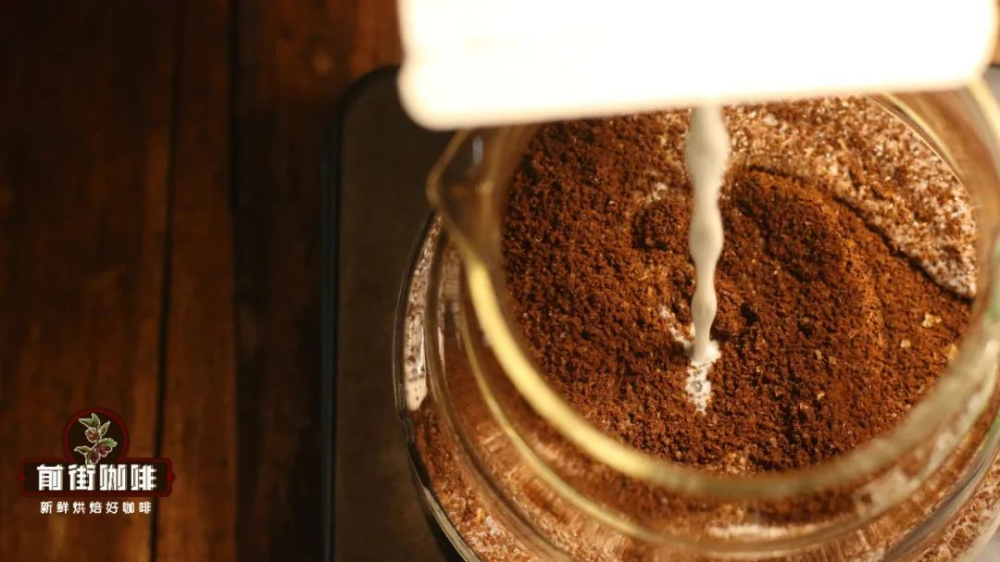
In response to common challenges, the test summarized three practical tips: First, if filtration is too slow, prioritize switching to a filter with larger pores (such as a pull-tea bag or coarse cloth filter), which can save over 50% of the time; second, light roast or sun-dried beans are prone to having their flavors diluted by milk, so it is suggested to slightly adjust the coffee-to-milk ratio to1:10-1:13a higher range to enhance strength; third, since milk spoils easily, be sure to consume the final beverage promptly after preparation to avoid gastrointestinal discomfort from prolonged storage.
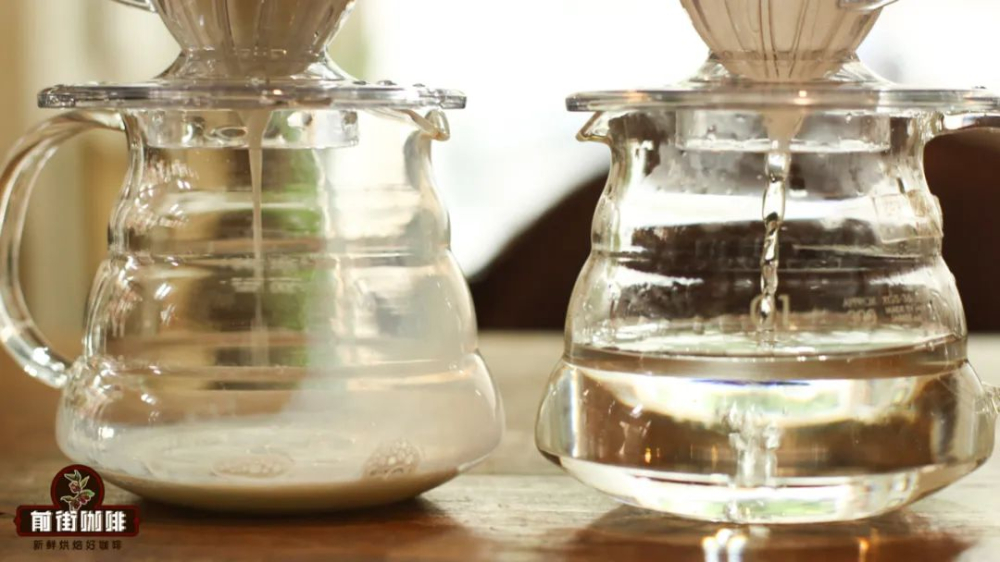
These three beans not only demonstrate the varying performance of different processing methods and roast levels in milk brew, but also provide a replicable parameter framework—from the distinctive anaerobic fermentation to the crowd-friendly light-to-medium roast, there’s definitely one to suit your palate. Once you’ve mastered these techniques, feel free to experiment and explore your own personalized milk brew recipe.


The above content is compiled by CoffeeHunters, a coffee news website.


