








Introduction:Do you often find yourself thinking a pour over coffee is “very good” but struggle to articulate why? Mastering the five key evaluation dimensions—aroma, taste, flavor, body, and aftertaste—can help you describe each cup of coffee’s unique profile more professionally. This article will guide you step-by-step through these elements and how to use the flavor wheel to assist in identification, elevating you from a coffee novice to a connoisseur capable of expressing nuanced flavors.
Have you ever found yourself at a loss for words while sharing a pour over with friends, resorting to vague descriptions like “this coffee tastes strong”? In truth, coffee tasting is not an innate talent but a skill that can be systematically learned. By understanding the five core aspects of evaluation—aroma, taste, flavor, body, and aftertaste—you’ll be able to analyze and express the subtle sensations of each sip just like a professional barista. This article will take you deeper into these five dimensions, using tools like the flavor wheel to help transform your subjective taste experiences into clear, descriptive language. Tasting coffee will then become more than just sensory pleasure—it evolves into an art form to share and discuss.
 You’ve probably had this experience: tasting coffee with friends, where others speak eloquently about everything from acidity to finish, while you…
“Uh… this cup has a pretty strong coffee taste!”
Don’t doubt your language skills—this is often simply because you haven’t yet mastered the techniques of evaluation and description. Once you learn how to break down the various sensory signals of coffee, you’ll naturally be able to articulate your impressions more coherently. Next, we’ll explore step by step how professional baristas use these five key dimensions to fully present a coffee’s flavor profile.
The key to describing coffee lies insystematically breaking down sensations.We can observe different aspects of the experience—from smell and taste to mouthfeel—and then logically integrate this information into a cohesive description. This method not only helps improve your own tasting ability but also enables you to more accurately share your drinking experience with others.
Generally, we evaluate coffee through the following five dimensions: ‘aroma, taste, flavor, body, and aftertaste’. Using these five entry points allows you not only to more accurately depict the characteristics of a coffee but also to truly appreciate the depth and enjoyment of coffee tasting.
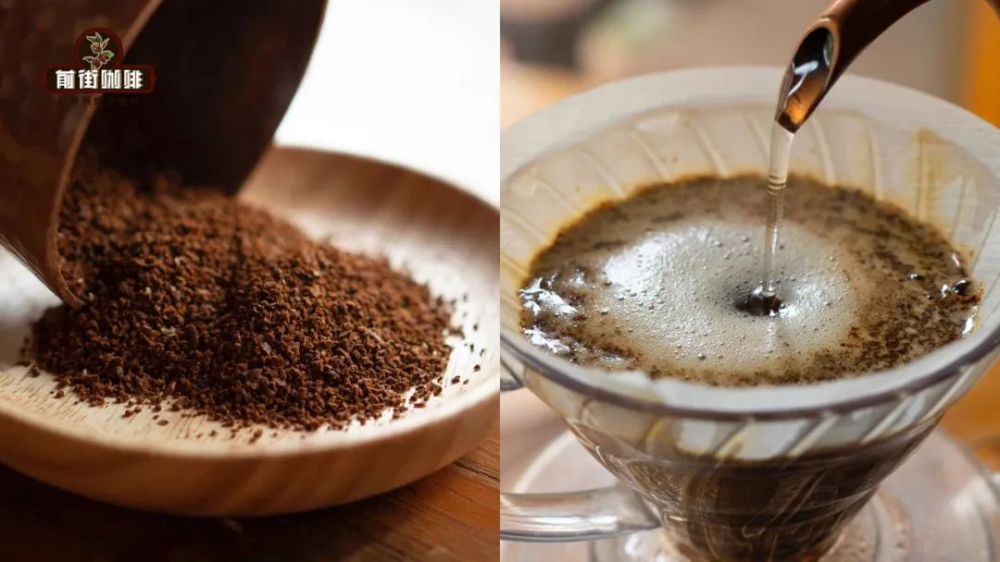
 First, let’s talk about aroma. The moment you grind coffee beans into powder, the evaluation process has actually already begun. You can start by smelling the dry aroma—the scent of the coffee grounds before they come into contact with water. Then, after pouring water, you’ll perceive the wet aroma, which is when the coffee releases more aromatic compounds. Typically, light to medium roasted coffee beans tend to have aromas leaning towardfloral, citrus, and berrynotes, which are fresh and fruity. In contrast, medium to dark roasted beans often exudechocolatey, caramel, and spicyaromas that are richer and more intense.
When we move on to the tasting stage, we begin to perceive taste. At this point, the taste buds in your mouth help you detect the basic taste elements in coffee: acidity, sweetness, and bitterness. Each taste gives a different sensation and serves as an important foundation for flavor description. For example, if you perceive an acidity that issharp, stimulating, or even astringent, you might describe it with words like “sharp,” “stimulating,” or “astringent.” On the other hand, if the acidity feelsbright, refreshing, and vibrant, you can opt for more positive descriptors such as “bright,” “uplifting,” “lively,” or “mellow.” The key is to faithfully represent the actual characteristics of the acidity you perceive.
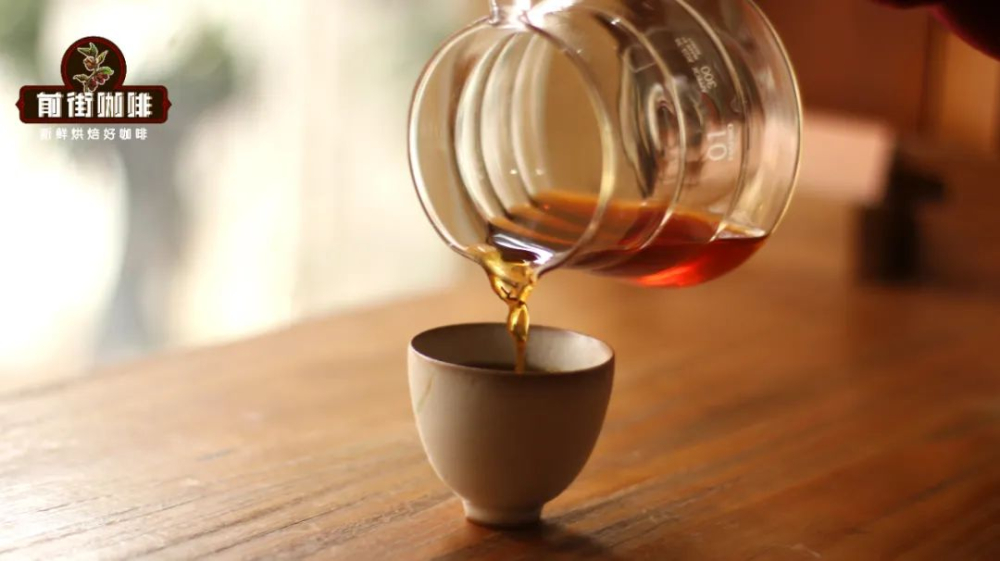 As we go further, we can combine these basic tastes into more specific ‘flavor’ sensations. This is one of the most interesting parts of coffee tasting. However, for beginners, translating abstract taste into concrete impressions like fruits or floral teas can be somewhat challenging. Many may only say “it has a fruity taste” without being able to specify which fruit.
This is where theflavor wheelbecomes an excellent auxiliary tool. You can first determine the general direction of the flavor—for example, if it has a bright, acidic scent, it might be citrus; if the acidity is softer with noticeable sweetness, it could be tropical fruit or other fruit types. Then, look for the most fitting specific flavor within that category, such as lemon, orange, passionfruit, or mango, pineapple, etc. This helps you turn vague sensations into something more concrete, thereby improving the accuracy of your flavor descriptions.
The fourth evaluation dimension is ‘body’, also known as mouthfeel, referring to the weight and fullness of the coffee liquid in your mouth. Simply put, it’s whether the coffee tastes ‘light like water’ or ‘rich like milk.’ For example, water has a relatively clean and almost texture-less mouthfeel, whereas whole milk, due to its rich fat and protein content, provides a distinctly thick and smooth sensation. The body of coffee also depends on the amount of extracted substances: higher concentration coffees usually deliver a thicker, more rounded mouthfeel; conversely, lighter extractions or beans with fewer inherent compounds may result in a thinner texture.
 The final aspect is ‘aftertaste’, which is the taste and sensation that lingers in your mouth after you swallow the coffee. A good aftertaste can extend the pleasurable experience of the coffee, possibly presenting floral notes, honey-like sweetness, tea-like finish, or a lasting, high-sweetness fruitiness. In contrast, a poor aftertaste might bring about astringency, bitterness, or even leave your mouth feeling dry or uncomfortable. Therefore, when tasting coffee, remember to keep your mouth closed for a few seconds after swallowing to observe those lingering flavors. This will help you comprehensively assess the overall performance of a coffee.
By combining these five evaluation dimensions—aroma, taste, flavor, body, and aftertaste—you’ll be able to perceive and describe the unique character of each pour over coffee with more nuance. For example, you might describe a coffee like this: “This coffee emits a rich jasmine floral aroma, with bright acidity and the vibrancy of berries. Its flavor profile weaves together the sweet-tart interplay of strawberry and citrus, and the aftertaste lingers like rose tea—elegant and long.” As you gain more experience, you might even succinctly sum it up with just one word: “So sweet.”
As you gradually become familiar with these evaluation elements, you’ll not only feel more confident sharing your coffee experiences with others but also discover more details and surprises in every brew and tasting session. These five dimensions are the very keys that open the door to the world of coffee flavors.
The above content is compiled by CoffeeHunters, a coffee news website.


