








Introduction:The Tarrazú region of Costa Rica, with its high-altitude environment, produces coffees known for their bright acidity and pronounced fruity notes. Among them, the Musician Series Mozart launched by Finca Carnet has garnered significant attention. This article will provide a comprehensive overview of Tarrazú’s high-altitude terroir, the family-run story of Finca Carnet, the inspiration behind the Musician Series, and an in-depth analysis of the H1 hybrid variety processed using the raisin honey method—giving you a full understanding of the intricacies of this specialty coffee, from variety characteristics to processing techniques.
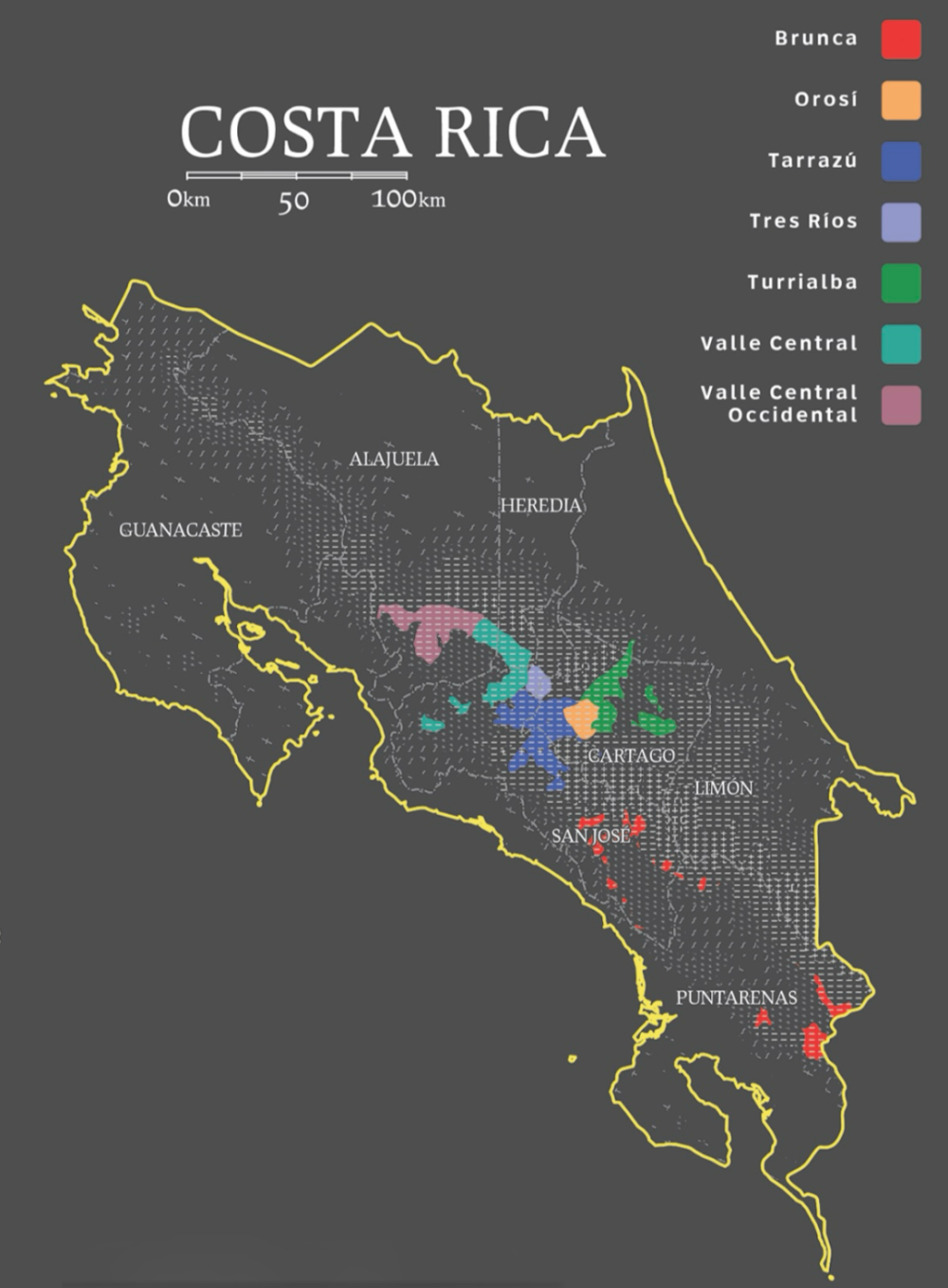
Costa Rica boasts uniquely favorable geographic conditions. Its towering volcanoes and moderate rainfall distribution have made this Central American country a globally renowned producer of high-quality coffee. In particular, the Tarrazú region, located in the central mountain range, is famed for its high elevation and fertile volcanic soils, producing coffees that often exhibit bright acidity and captivating floral and fruity aromas.
As one of the highest-altitude coffee-growing regions in Costa Rica, Tarrazú’s cultivation altitude ranges between approximately 1,200 and 1,900 meters. Such heights not only extend the maturation period of the coffee cherries but also allow the beans to accumulate richer flavor compounds. With the rainy season lasting from April to December and stable day-night temperature variations, the coffees from this area are characterized by a balanced sweetness and acidity, along with distinct layered profiles.
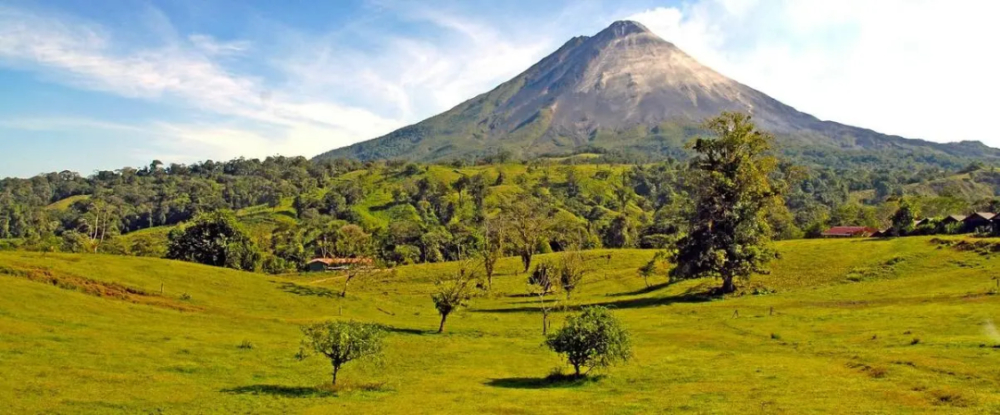
Among the many outstanding coffee farms, Finca Carnet stands out due to its location at the highest point of the Tarrazú region. In addition to growing various fruits such as passionfruit, the farm dedicates a specially designated area to carefully cultivate coffee. It is jointly managed by the three Robles brothers—Leo, Elian, and Melvin—who also operate a small processing mill, ensuring they can personally oversee quality from harvesting to processing.
A certain coffee farm’s Musician Series includes four coffee beans inspired by composers: Bach, Beethoven, Mozart, and Chopin, each showcasing unique flavor profiles through different varieties. The naming of the series is inspired by the farm owner’s passion for classical music. They discovered that certain coffees’ flavors resonated with the personalities of these musicians, leading to the artistic naming of the coffees. Currently, two of the series—Mozart and Bach—have been introduced to the market by a certain coffee retailer for enthusiasts to enjoy.
In terms of processing methods, Costa Rica is one of the birthplaces of the honey process. Due to limited water resources at high altitudes, making traditional washed processing difficult, and lacking the abundant sunlight found in Africa, local farmers combined Brazil’s semi-washed technique to gradually develop the honey process, which retains the fruit mucilage. Based on the amount of mucilage retained, it is generally categorized into black honey, red honey, yellow honey, and white honey—the more mucilage retained, the typically richer the flavor.
Raisin honey processing (Grape Natural Honey), meanwhile, is an advanced honey processing method that has garnered considerable attention in recent years. This methodretains 100% of the mucilage and involves no water usage throughout the process, placing extreme emphasis on the control of the drying phase. After harvest, the coffee cherries first undergo flotation to remove defective beans with insufficient density, then are placed on raised beds to remove the outer skin while preserving the intact mucilage layer for sun drying. During drying, the beans must be constantly turned to ensure even heat exposure, while weather conditions are closely monitored to prevent over-fermentation or mold. Typically, the process is completed when the moisture content drops to around 11%, often taking between 10 to 20 days. This processing method imparts the coffee with richer fermented aromas and intense fruity notes, resulting in a more profound flavor profile.
The H1 variety is one of the representatives of Costa Rica’s coffee genetic innovation. Its full name is Centroamericano, and it was actually developed by the Sebaco laboratory in Nicaragua. This is an F1 hybrid variety, resulting from the crossbreeding of T-5296 (commonly known as Sarchimor) and Sudan Rume (Rume Sudan). Sudan Rume was initially discovered in the Rume Valley of the Boma Plateau in Sudan, hence its name. In addition to its excellent cupping performance and unique flavor profile, this variety yields approximately22%higher than typical American varieties and demonstrates good resistance to common leaf rust, though it is relatively susceptible to nematode infestations, requiring extra care in cultivation.
Overall, the high-altitude environment of Costa Rica’s Tarrazú region, the meticulous cultivation by Finca Carnet, and the innovative naming and exquisite raisin honey processing of the Musician Series allow the H1 variety to showcase unprecedented flavor potential. Whether you’re looking for a single-origin bean suitable for pour over or wish to explore the various processing methods and variety characteristics, this Mozart coffee bean is an excellent choice for both entry-level enjoyment and in-depth appreciation.
The above content is compiled by CoffeeHunters, a coffee news website.


