








Introduction:Sudan Rume is an ancient coffee variety originating from Africa, known for its rare production and outstanding flavor profile. It gained prominence after being used by the 2015 World Barista Championship (WBC) winner. This article delves into its historical origins, plant characteristics, unique flavor attributes, and its strategic value in modern coffee breeding — offering you a comprehensive understanding of this niche specialty bean, from brewing to cultivation.
In the world of specialty coffee, some varieties, despite their extremely low yields, have garnered significant attention due to their unique flavors and special potential. Sudan Rume is one of them. This ancient African coffee variety rose to fame as early as 2015, thanks to the remarkable performance of Australian competitor Sasa Sestic at the World Barista Championship (WBC), drawing public interest to this previously little-known variety.
Sudan Rume originates from southeastern Africa, specifically at the border between the Boma Plateau and Rume Valley within present-day South Sudan, an area that is also part of Boma National Park.The variety name “Sudan Rume” is derived from this geographical location and is commonly translated in Chinese as either “苏丹鲁美” or “鲁美苏丹.”This reflects its African origin. Prior to the 1940s, it existed only as a wild variety scattered across tropical rainforests, with leaves exhibiting a striking bronze color. It was not officially recorded until 1942 under the code “RS-510,” serving as a crucial foundational material for subsequent hybridization experiments.

Over the following decades, Sudan Rume was primarily used as a male parent in hybridization efforts to develop several modern high-quality coffee varieties, such as Colombia’s renowned Castillo and Kenya’s classic SL28. Experts point out,not only does Sudan Rume deliver impressive flavor performance, but it also carries genes resistant to Coffee Berry Disease (CBD), giving it extremely high value in scientific research and breeding— rather than being cultivated merely as a commercial bean variety.
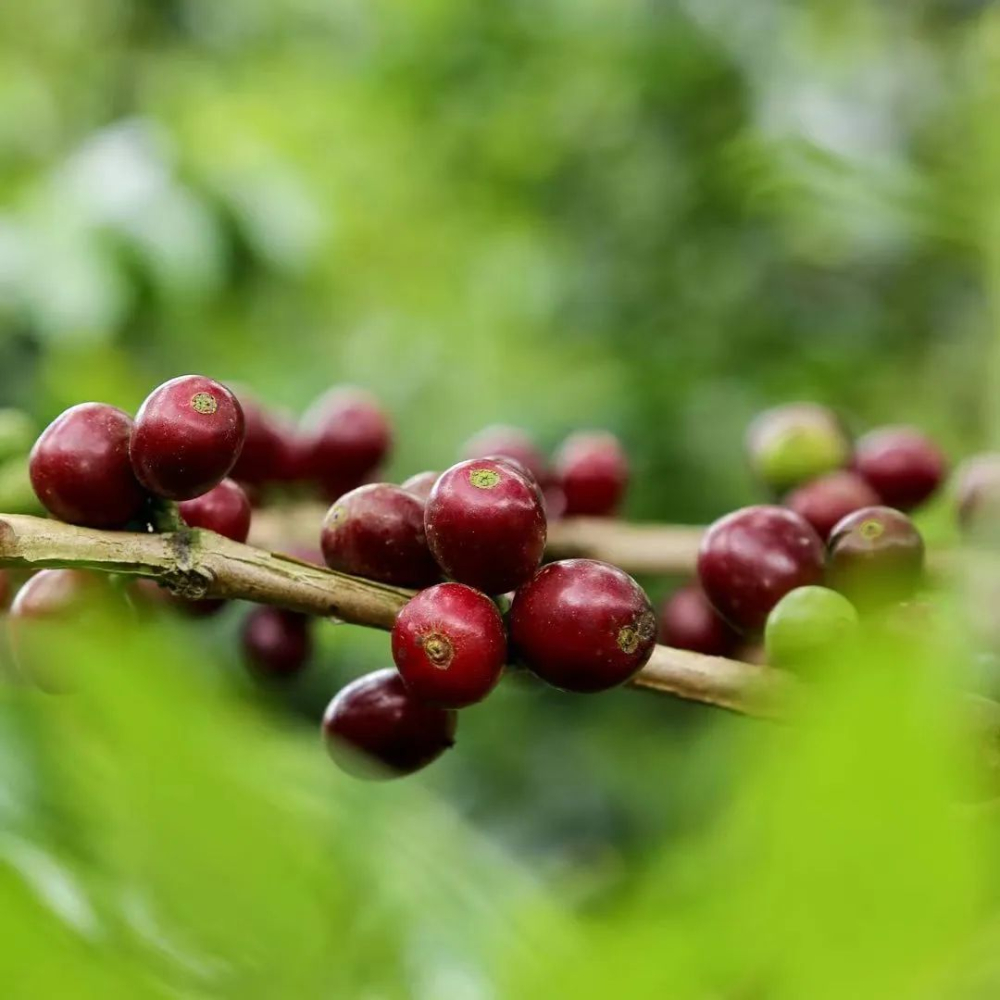
Although its name may suggest a connection to Sudan, this variety has not been widely adopted in large-scale commercial planting. According to available data, Sudan Rume plants are very tall and require regular pruning to facilitate harvesting. They also have a high demand for phosphorus fertilizer, resulting in relatively high overall management costs. Itsbranch spacing and node spacing are moderate, with coffee cherries distributed somewhat sparsely. The beans are relatively long and vary in size, though not as extremely small as typical Ethiopian beans.Similar to the well-known high-value variety Geisha, Sudan Rume has extremely limited production. As a result, most of what is available on the market comes from micro-lots produced by a small number of boutique farms in Central and South America.

Regarding the actual flavor profile of Sudan Rume, many industry professionals and consumers have given it high praise. For example, some have tasted a washed processed batch from Costa Rica’s Coffea Diversa Garden. This Sudan Rume exhibited a very vibrant and bright acidity, with a flavor profile that included lemon, plum, and green apple, along with a distinct juiciness. It had a refreshing mouthfeel, while the finish revealed subtle oolong tea aromas and a sugarcane-like sweetness. The overall profile was clean, layered, and had a long-lasting aftertaste — truly impressive.
Beyond its flavor advantages,Sudan Rume has become a core variety in many breeding programs primarily because of its strong disease resistance and adaptability potential.Researchers often cross it with other varieties, aiming to enhance disease resistance and stabilize yields while preserving good flavor. As a result, it is hailed as one of the “genetic treasure troves” of modern high-quality coffee.
Notably, in recent years, during small-scale trial plantings in high-altitude regions, farmers unexpectedly discovered that some mature Sudan Rume coffee trees bore yellowish coffee fruits, similar to the occasional yellow fruit mutations seen in Bourbon varieties. Although not yet widely circulated, industry insiders speculate that a “Yellow Fruit Sudan Rume” variant may emerge in the future, bringing even more surprises.
Overall, although Sudan Rume is not a common coffee variety on the market, it has gradually earned a place in the specialty coffee community thanks to its unique origin background, exceptional breeding value, and captivating flavor profile. Whether you’re a coffee enthusiast, a roaster, or a professional interested in coffee genetics and breeding, this niche variety from the African rainforest is well worth exploring and savoring.
The above content is compiled by CoffeeHunters, a coffee news website.


