







Introduction:Delve into the Red Cherry Project coffee beans from Ethiopia’s Yirgacheffe region to understand their unique heirloom genetics, natural processing method, and how light roasting and proper brewing techniques bring out captivating berry and citrus notes. This article will guide you through the flavor profile and practical pour over parameters.
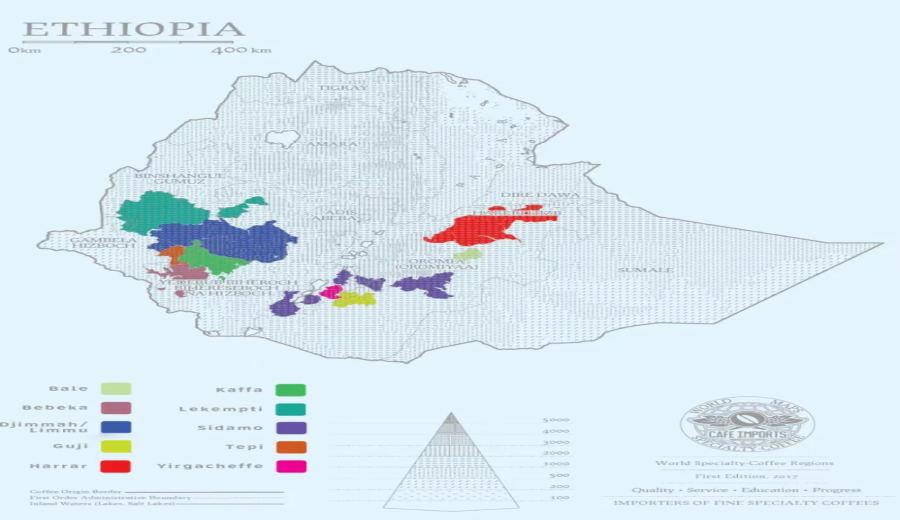
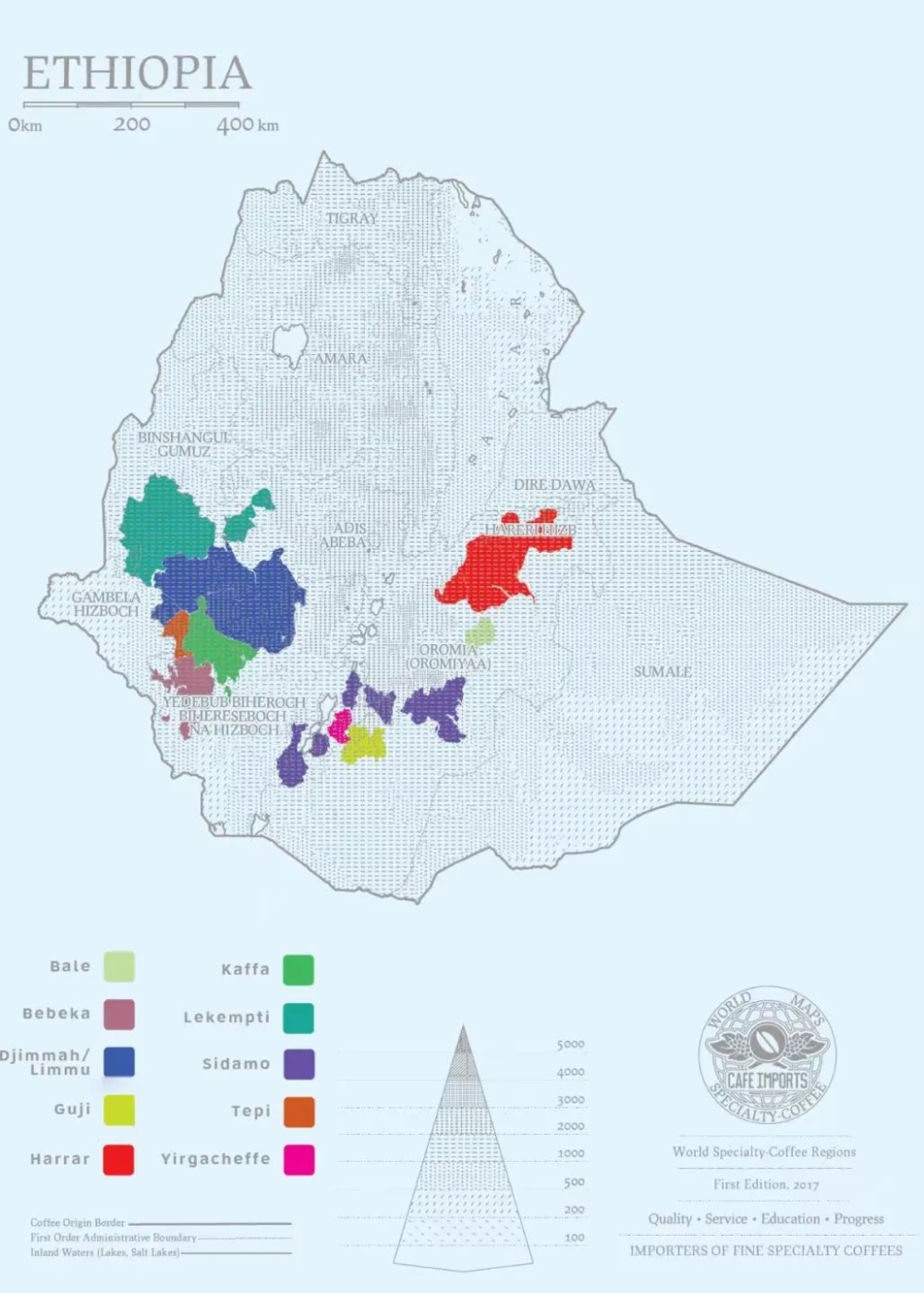
As the birthplace of coffee, Ethiopia is home not only to numerous renowned coffee-growing regions but also to over 10,000 wild and garden variety coffee plants that have yet to be fully classified—making it a mecca for specialty coffee enthusiasts worldwide. Among these regions, Yirgacheffe stands out with its distinctive bright acidity, citrus, and floral notes, even earning its own protected trademark recognized by the Ethiopian Commodity Exchange (EXC).
Originally part of the Sidamo region, Yirgacheffe was later designated as a separate coffee-growing area due to its distinctively vibrant lemon acidity, refreshing citrus tones, and elegant jasmine-like floral aromas, which set it apart from neighboring regions. Located at elevations between 1,700 and 2,100 meters on the eastern edge of the East African Rift Valley, the area's climate and geography contribute to the unique character of its coffee.
Most coffee in Ethiopia is grown in garden-style plots—meaning many coffee trees are cultivated alongside food crops within family farms and harvested by the farmers themselves. It is estimated that there are up to 15,000 coffee varieties in the country that have not been genetically classified. Due to the complex and often hybrid nature of these varieties, the green beans collected at processing stations often come from mixed sources, and are therefore typically labeled simply as “Heirloom,” or what is commonly referred to as native or heritage varieties. This is also the main reason why Ethiopian coffee beans often vary in size and appearance.
Before the rise of specialty coffee, coffee farming in many regions focused primarily on yield, with fruits harvested regardless of ripeness, resulting in subpar coffee flavors. In response, Dutch green coffee trader Trabocca launched the “Red Cherry Project (ORC, Orange Coffee Roasters Collective)” in 2007, aiming to improve farmer incomes and overall quality by purchasing high-quality coffee at premium prices.
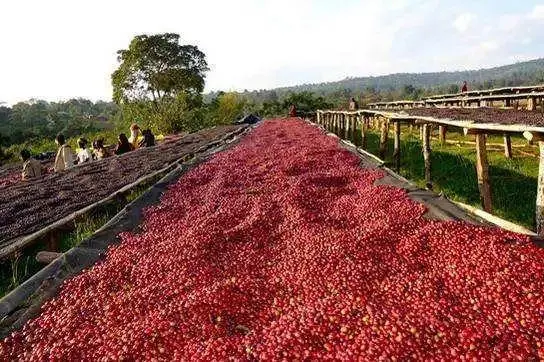
The program requires participating farmers to harvest only 100% ripe red cherries, handpicked meticulously. These beans are purchased at prices well above the market average, but only after passing Trabocca’s rigorous cupping evaluations in both Ethiopia and the Netherlands. This initiative has not only increased farmer earnings but also encouraged greater attention to harvest ripeness and processing details, thereby elevating coffee quality across the board. The Red Cherry Project currently includes several well-known regions such as Yirgacheffe, Sidamo, Pungu Forest, Lekempti, Kembaata, Harrar, and Limu.
Among the Ethiopian Yirgacheffe natural Red Cherry coffee beans introduced by a certain coffee brand, heirloom Heirloom varieties are used along with traditional natural processing. These beans are grown at altitudes between 1,700 and 2,200 meters and are lightly roasted to preserve abundant native flavor characteristics. For optimal results, use a V60 dripper with a 1:15 coffee-to-water ratio and a water temperature of around 92°C for pour over brewing, which highlights its bright berry and lemon acidity, as well as delicate strawberry and fermented fruit notes.
During actual brewing, start with a medium-fine grind (close to granulated sugar), and employ a pulse pouring technique: pour about 30% of the total water volume for the bloom phase and let it degas for around 30 seconds, then continue pouring steadily until the target brew volume is reached. This coffee offers a clean and vibrant cup, with lively yet non-aggressive acidity where berry and citrus notes intertwine, and a finish marked by subtle floral and sweet undertones—making it an excellent choice for coffee lovers who enjoy bright fruity acidity and aromatic profiles.
In summary, the Yirgacheffe natural Red Cherry Project coffee beans not only carry forward the region’s signature elegance but also, thanks to meticulous processing and selection, showcase a higher level of fruitiness and complexity. For those eager to explore the charm of Ethiopian heirloom varieties or seeking an entry point into light roast pour over beans, this coffee is definitely worth a try.
The above content is compiled by CoffeeHunters, a coffee news website.


